
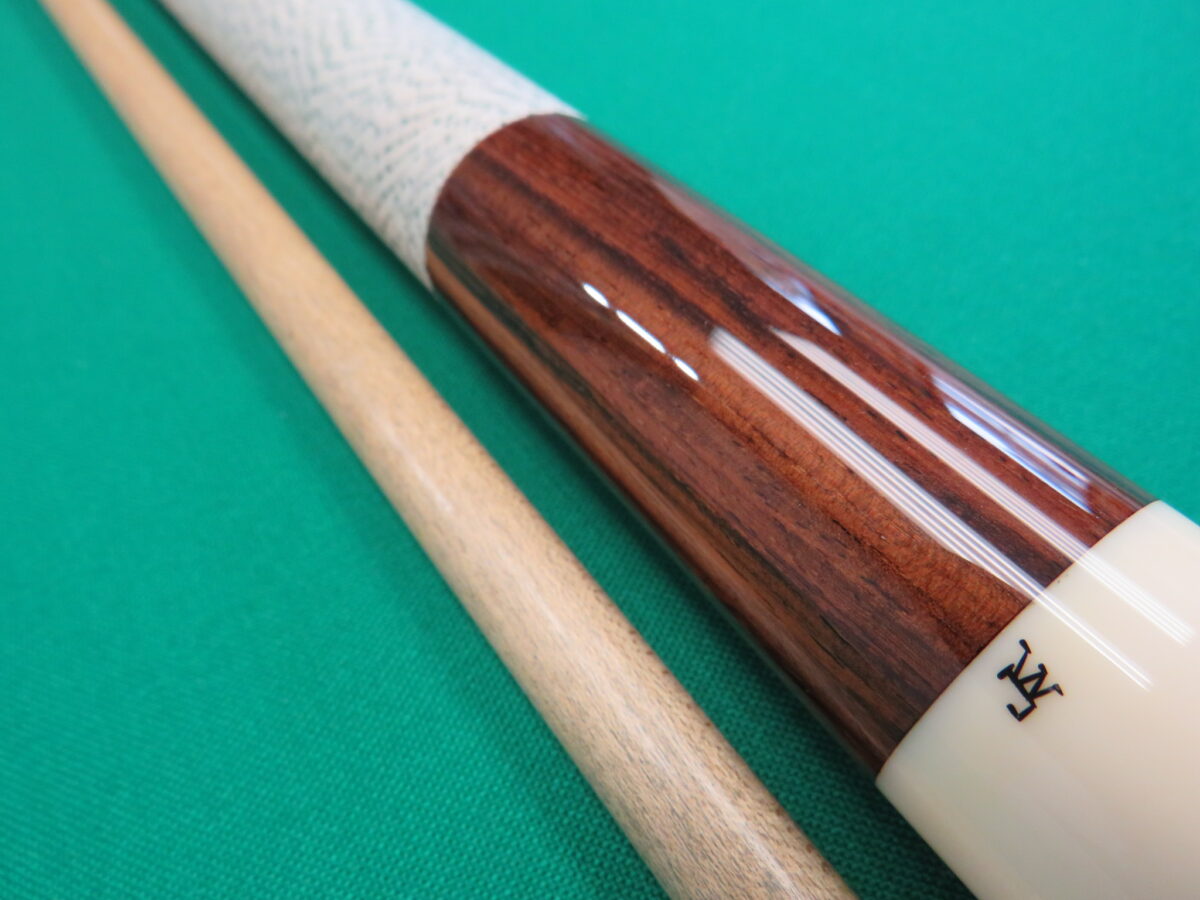

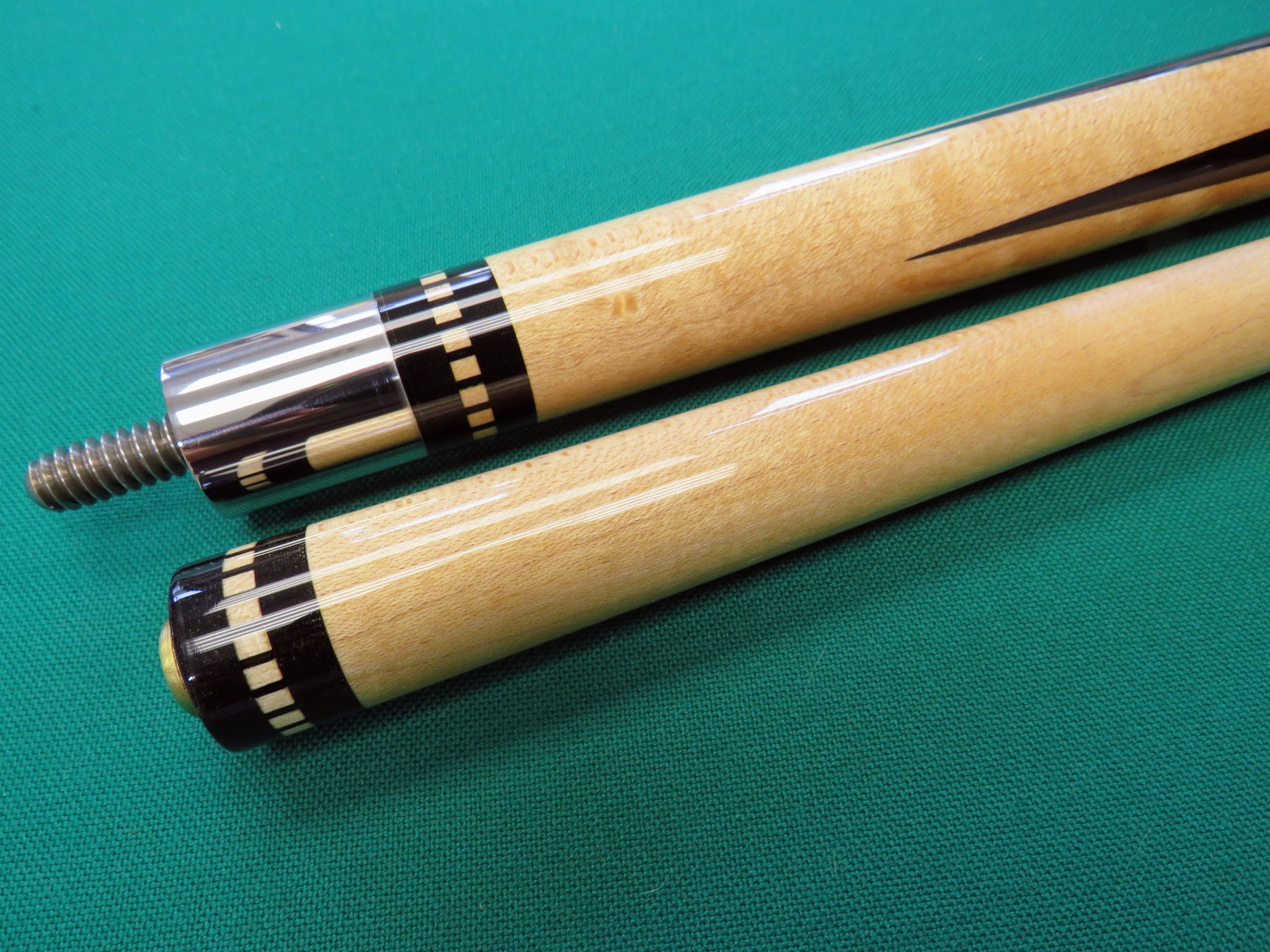
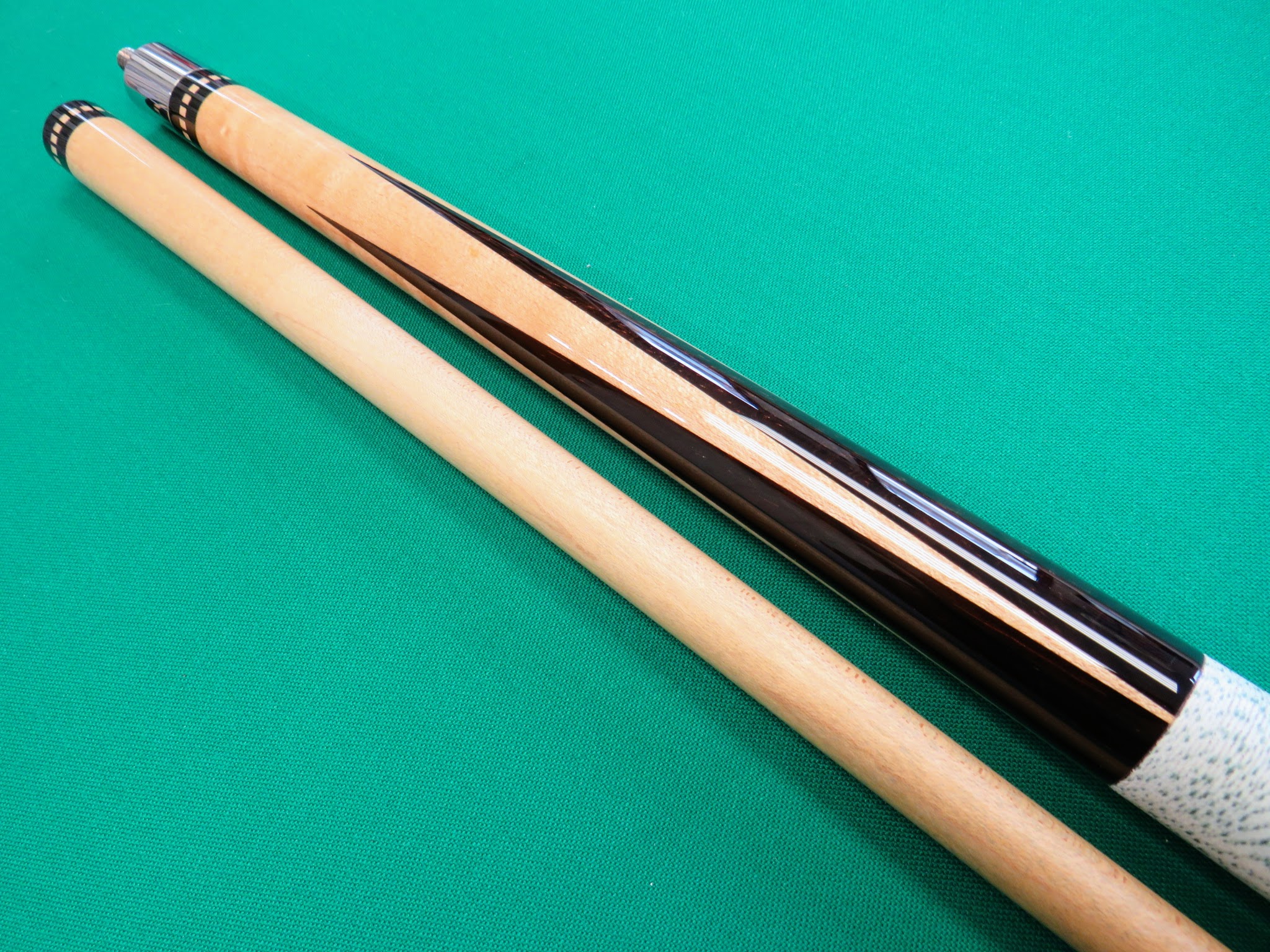
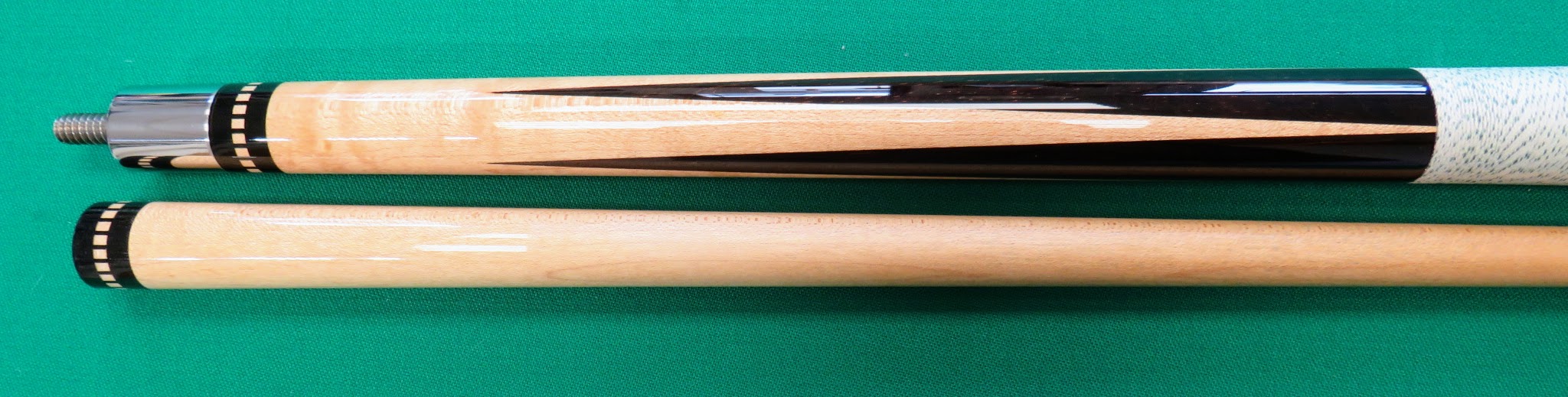
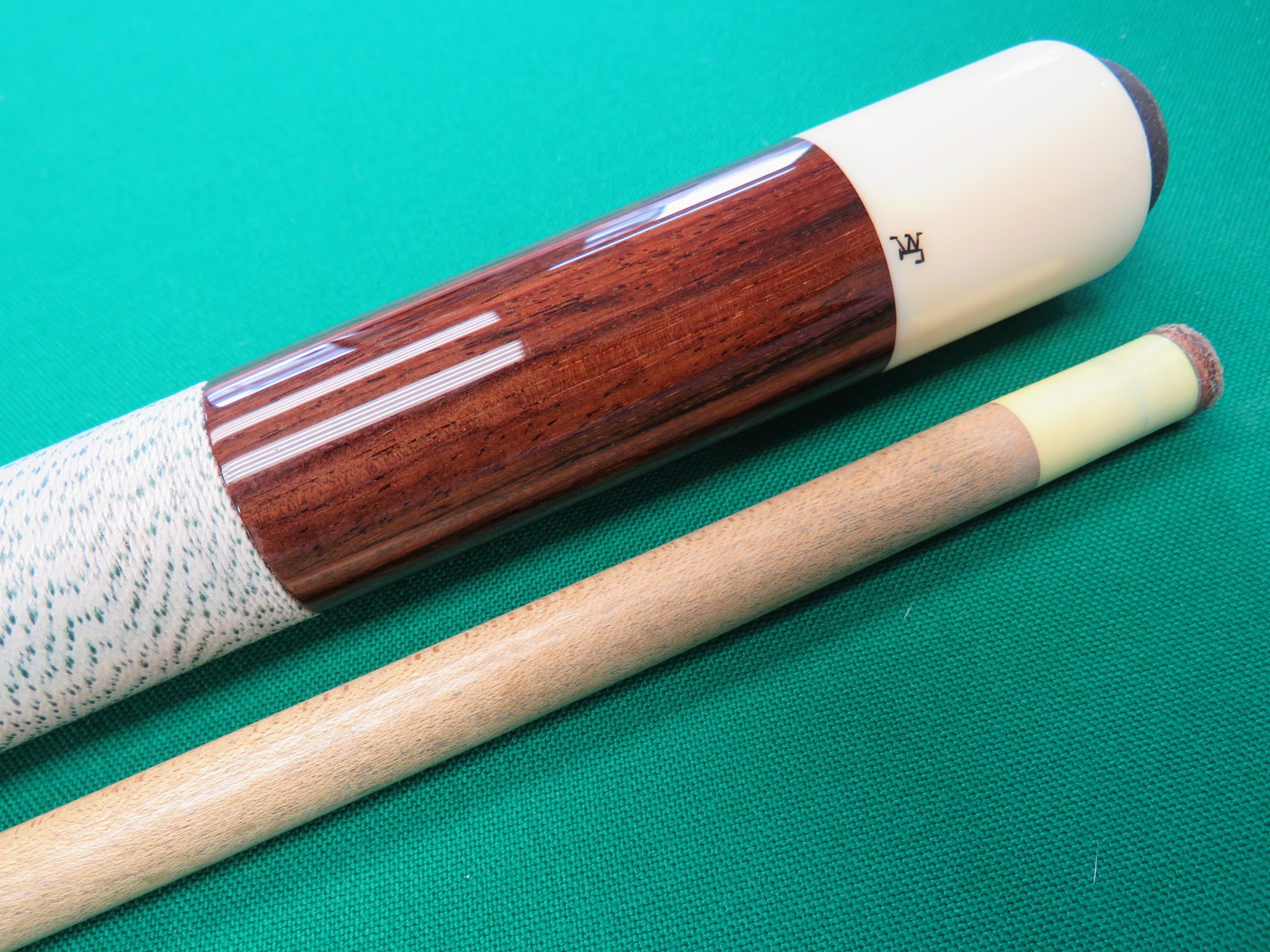
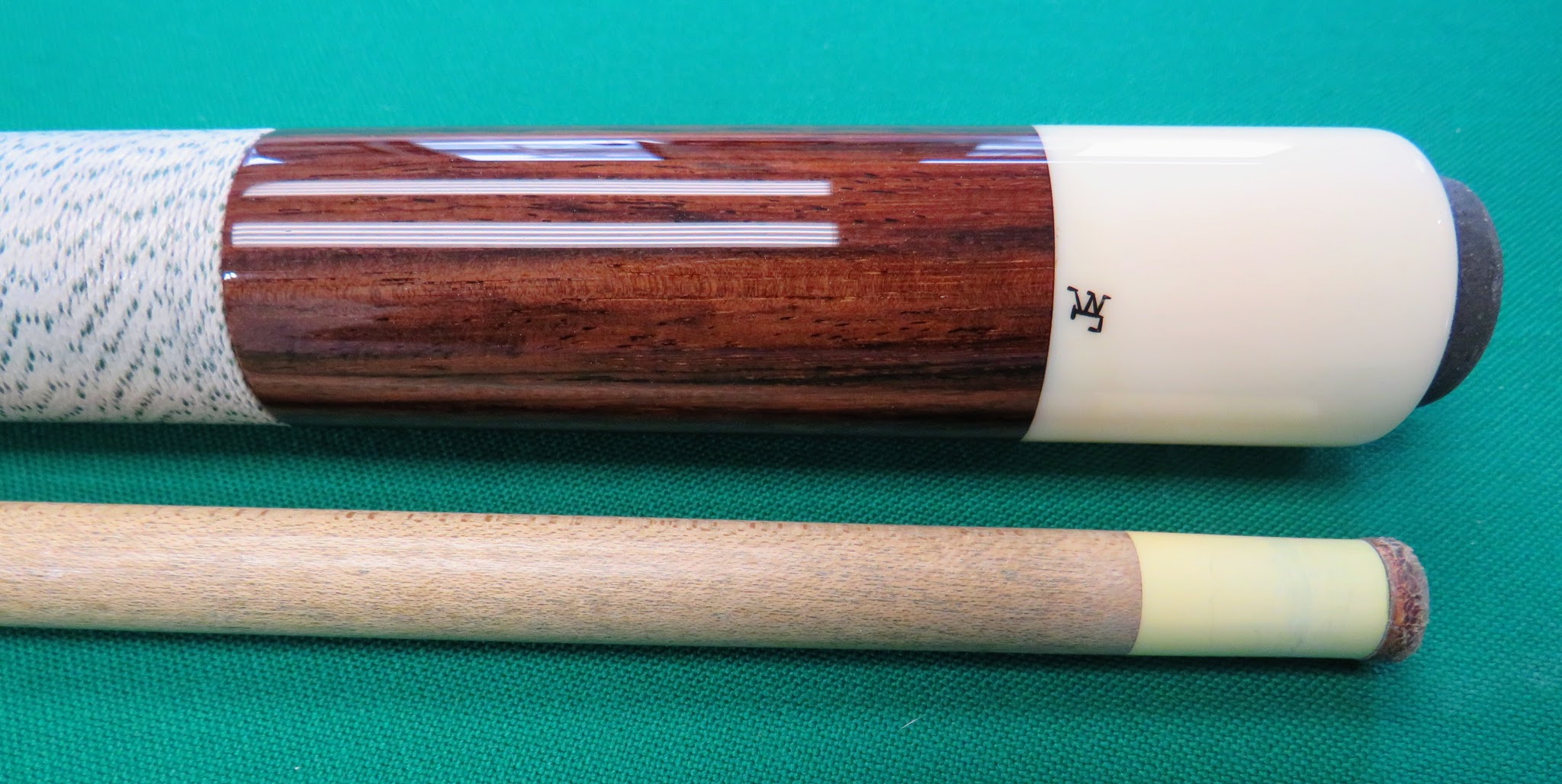
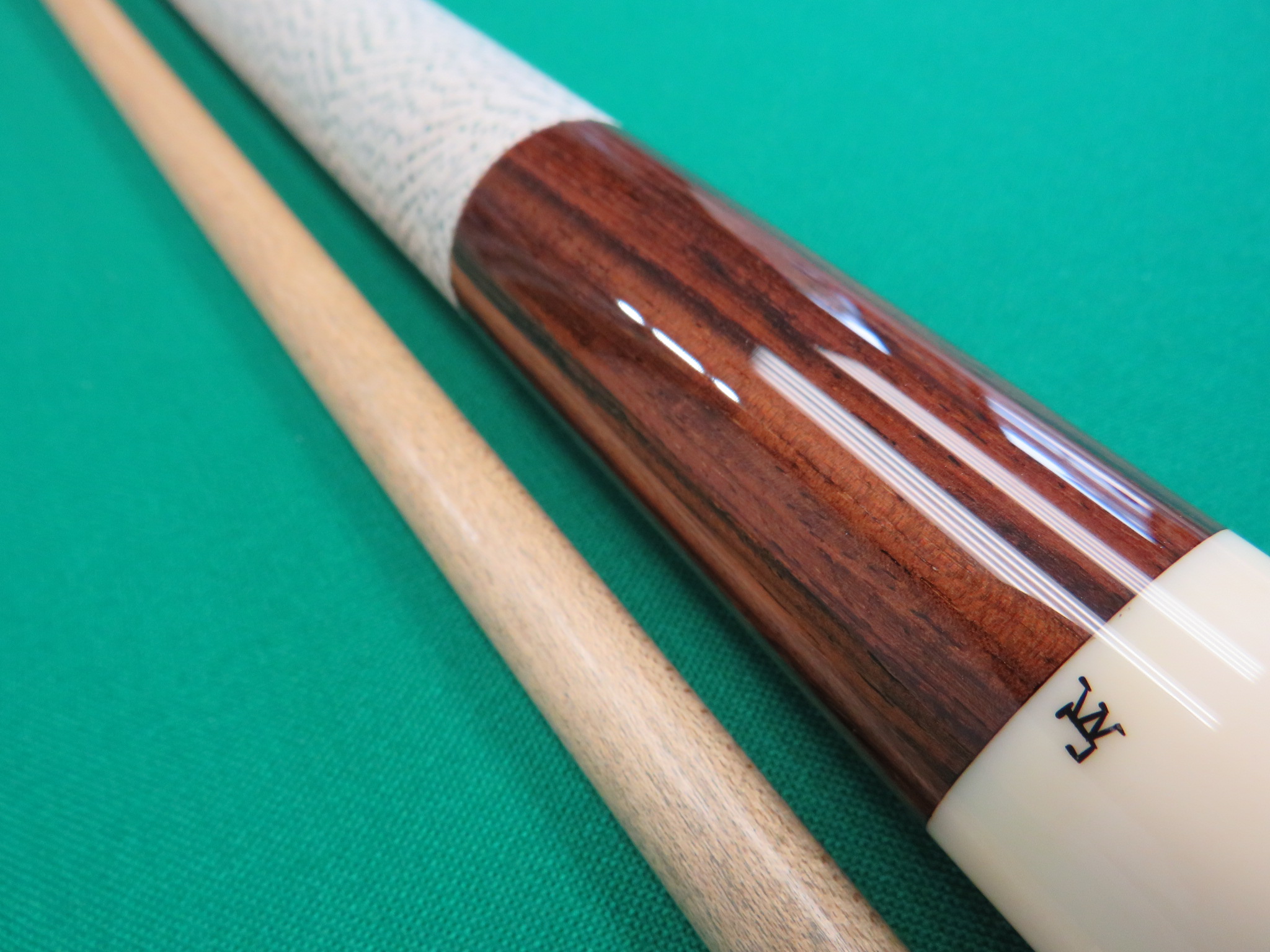
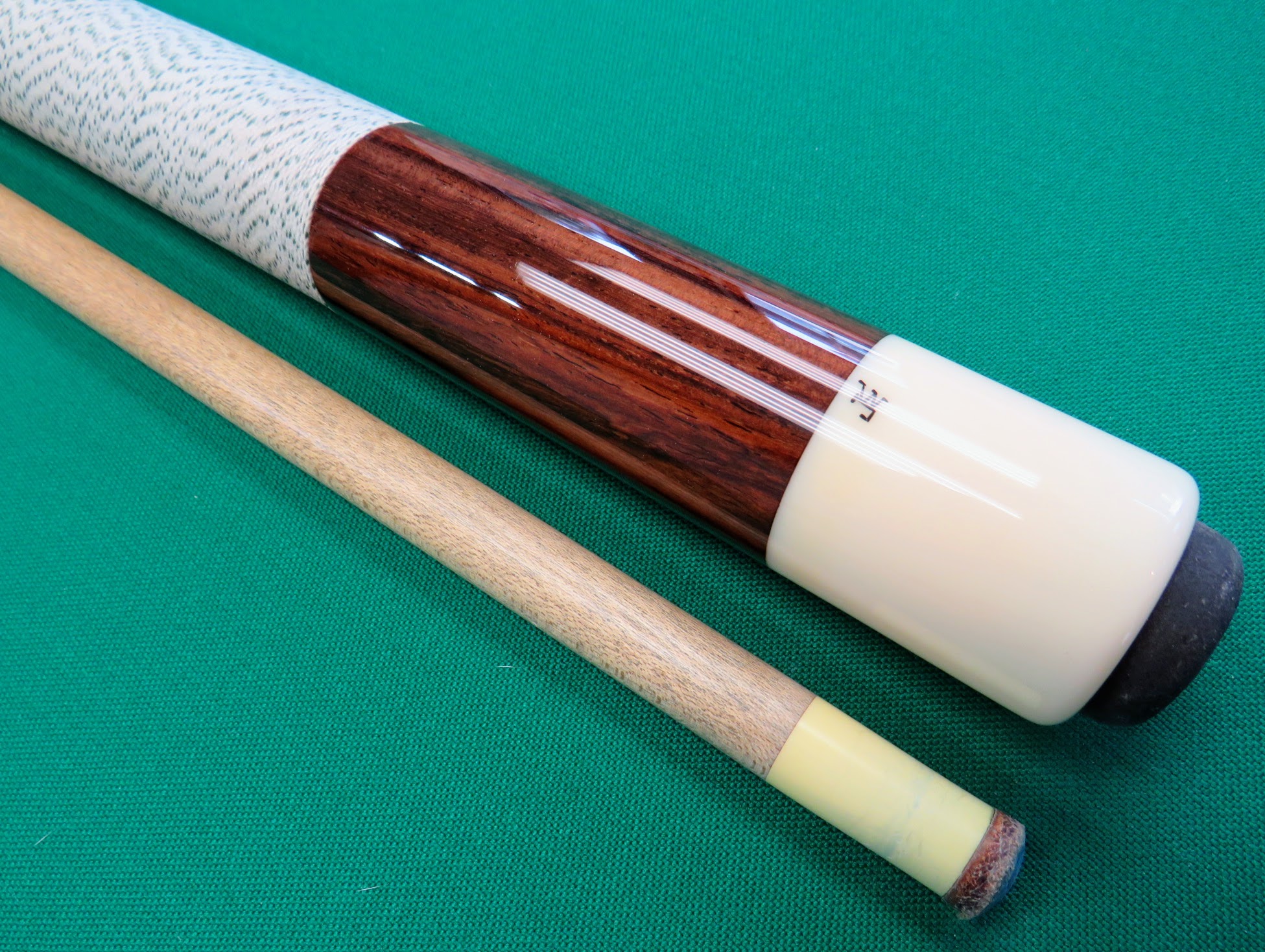

Bill Stroud Josswest cue
This Josswest cue was recently refinished here at Proficient Billiards.
Proficient Billiards is committed to providing top-notch service to all billiards enthusiasts, whether they are casual players or serious competitors. Our expertise extends beyond mere refinishing; we also offer comprehensive assessments of each cue, ensuring that every detail meets the highest standards. Each cue that passes through our hands is meticulously inspected for quality, performance, and aesthetic appeal.
The craftsmanship behind Bill Stroud Josswest cues is a significant factor that enhances their appeal. For example, the attention to detail in the inlays is not only visually striking but also speaks to the level of dedication and skill required to produce such intricate designs. Collectors and players alike often find themselves captivated by the artistry involved in creating each cue, making them not just tools for play but also works of art.
In conclusion, owning a Bill Stroud Josswest cue is not just about having a high-quality tool for billiards; it’s about embracing a legacy of craftsmanship and artistry that enhances the game experience. Players and collectors alike should appreciate the intricate details and historical significance that these cues carry, making them both a practical investment and a cherished possession.
Understanding the various eras of Josswest cues can greatly influence a collector’s choices. For instance, the Sideways ‘W’ Era not only represents a specific time frame but also indicates a unique stylistic approach that some players prefer over others. Collectors often seek these cues due to their historical significance and the connection they represent to the craftsmanship of that era.
Josswest cues are highly collectible, premium custom pool cues handcrafted by the late American Cuemakers Association Hall of Fame master cuemaker Bill Stroud. Originally co-founding the famous Joss Cues line with Dan Janes in 1968, Stroud branched off in 1972 to build custom, limited-run, and one-of-a-kind masterpieces under the Josswest banner until his retirement. Highly revered by pool players and collectors alike, these vintage cues are known for their meticulous inlays, sharp point-work, and exceptionally solid, old-school “commanding hit”.
Each of these design characteristics not only enhances the cue’s aesthetic appeal but also influences its performance on the table. For example, the traditional razor-sharp points provide players with precise control over their shots, while the intricate inlays add a personal touch that many find appealing. Exploring these features can significantly enrich a player’s experience with their cue.
Moreover, the joint and pin variations are not merely technical specifications; they play a crucial role in how the cue interacts with the ball and the table. Players often have personal preferences for specific joint types based on their style of play. Experimenting with different joint setups can help players find the perfect match for their playing style, enhancing performance and enjoyment.
Notable Design Eras & Characteristics
Additionally, maintaining the condition of a Josswest cue is crucial for preserving its performance. Regular cleaning and proper storage can extend the life of these exquisite cues. Players should consider investing time in learning maintenance techniques and perhaps consulting professionals at Proficient Billiards for expert advice on care routines tailored to specific cue types.
The playability of a cue is vital for any serious player. With the Bill Stroud Josswest cue, players often report a unique combination of feedback and control that enhances their performance. Many professionals endorse these cues, citing their reliability during competitive play. Understanding how to maximize the use of these cues can significantly improve a player’s game, making research and practice essential.
- The Sideways “W” Era: Cues featuring the coveted horizontal “W” logo markings are from a highly sought-after production period and heavily hunted by collectors.
- Signature Point-Work & Inlays: Common styles feature razor-sharp, veneered ebony points injected into figured Birdseye or Curly Maple, often paired with intricate abalone, mother-of-pearl, or geometric wood inlays.
- Joint and Pin Variations: While traditional builds utilized a 5/16-14 piloted stainless steel joint or 3/8-10 pin setup, later or highly customized variants feature flat-faced ivory or stainless steel joints using radial big pins.
- Premium Playability: Built by a former road player, these cues prioritize balance, long pro tapers, and a stiff, heavy-hitting feel that many players claim delivers unparalleled ball control.