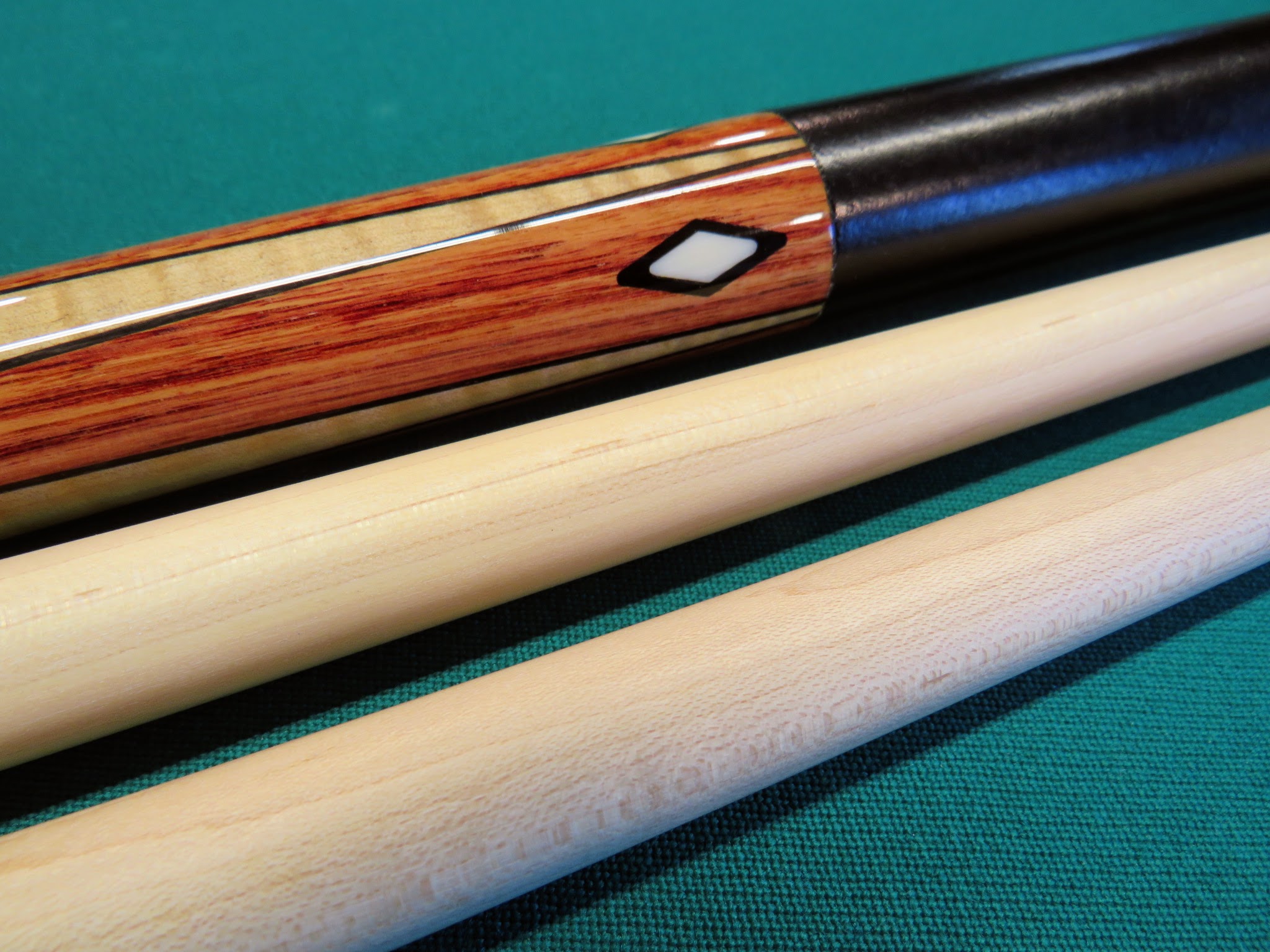
Pair of R Series Schon cues

Pair of R Series Schon cues

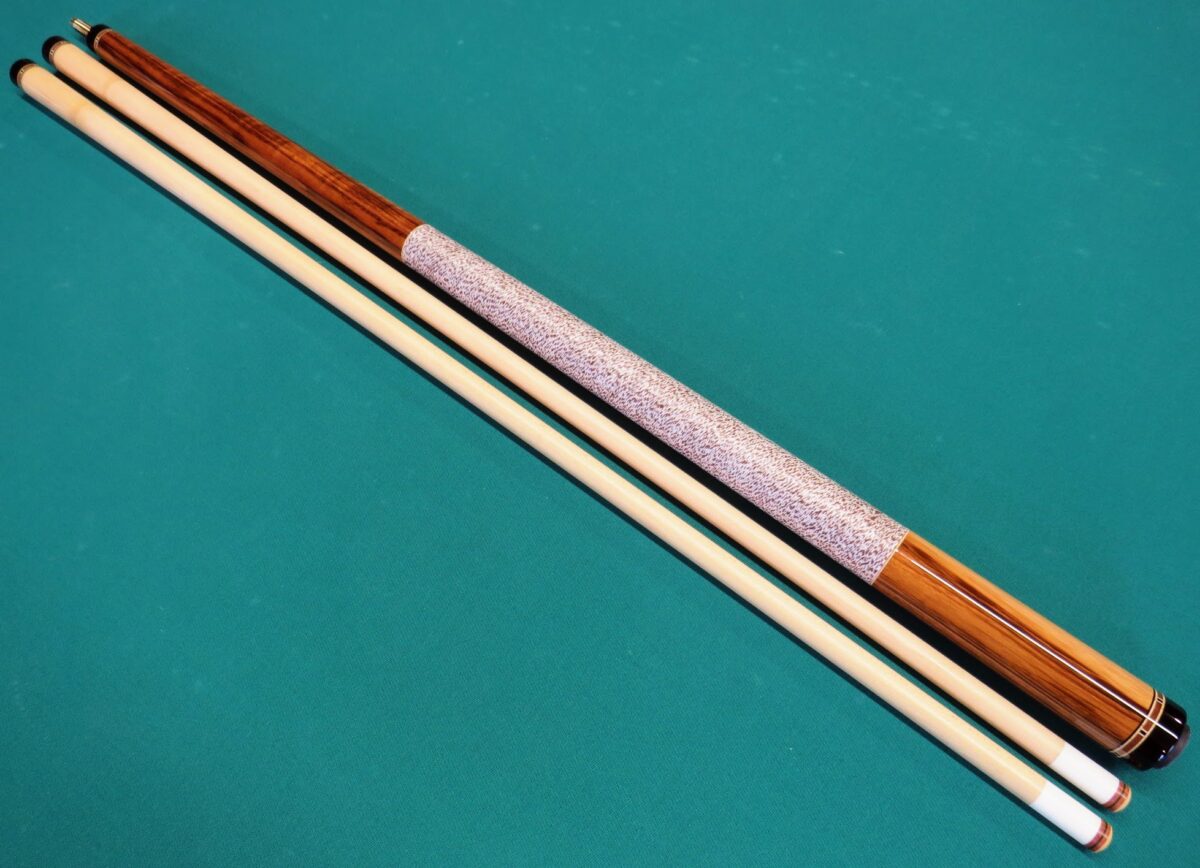
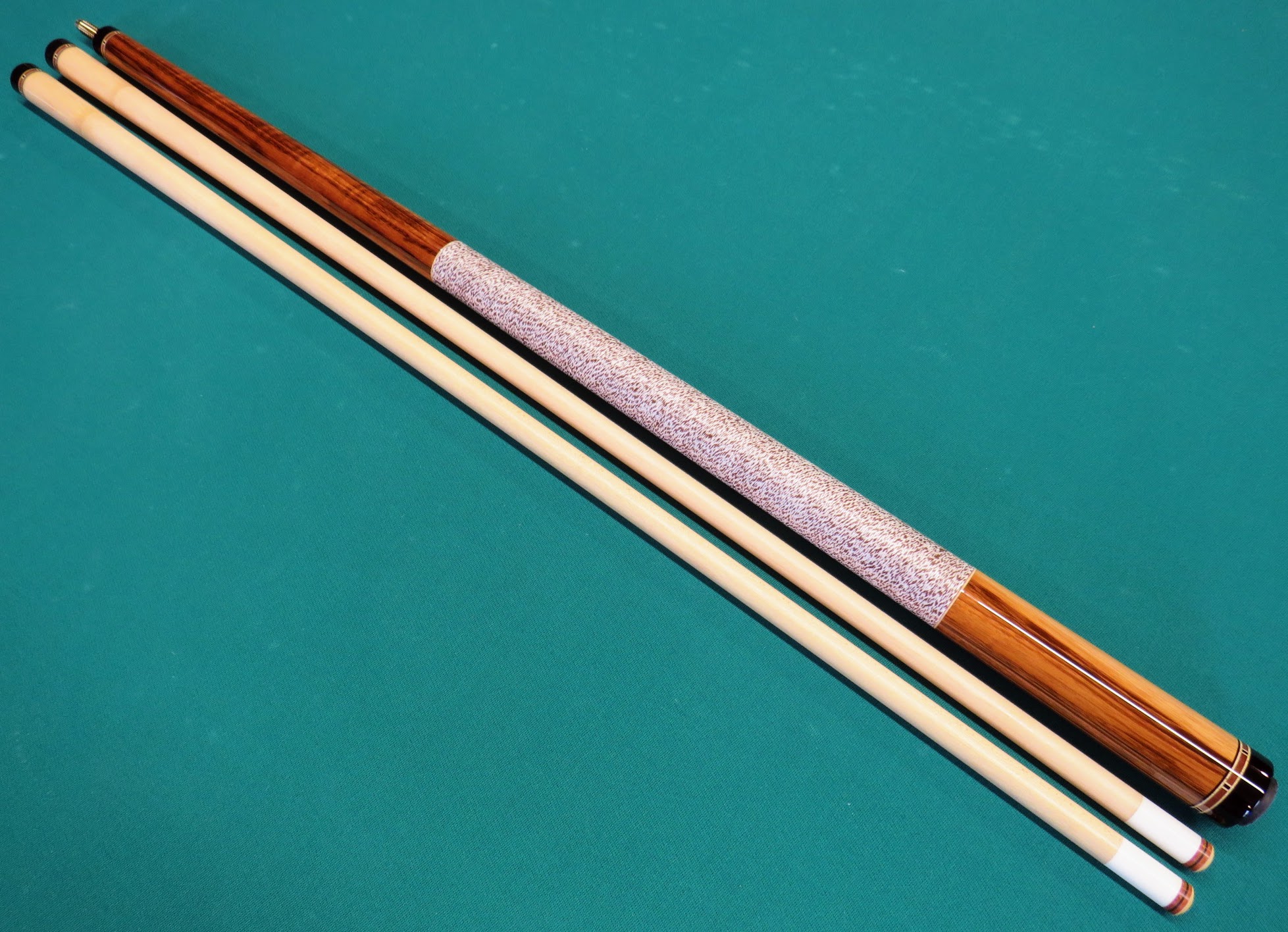
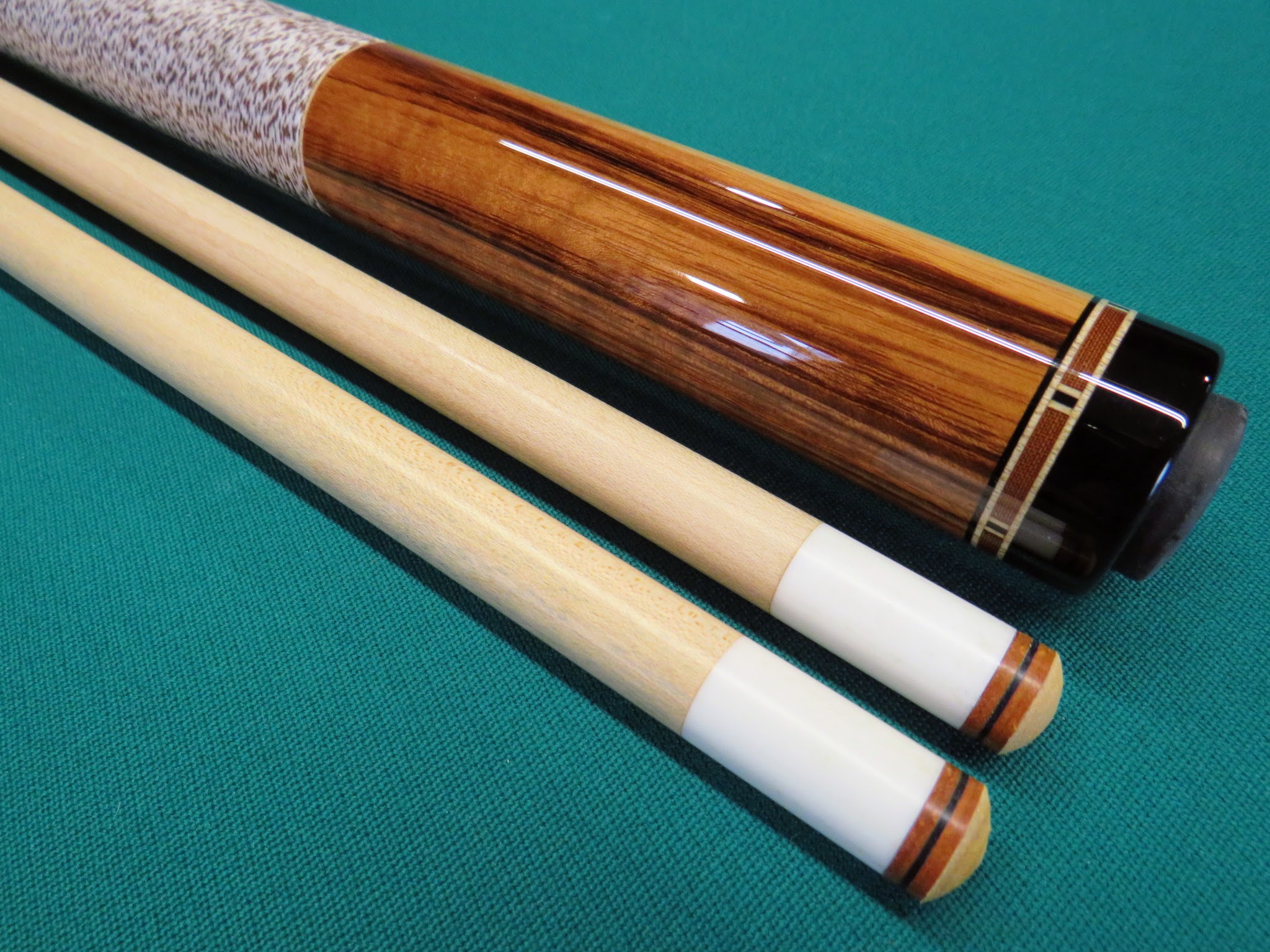
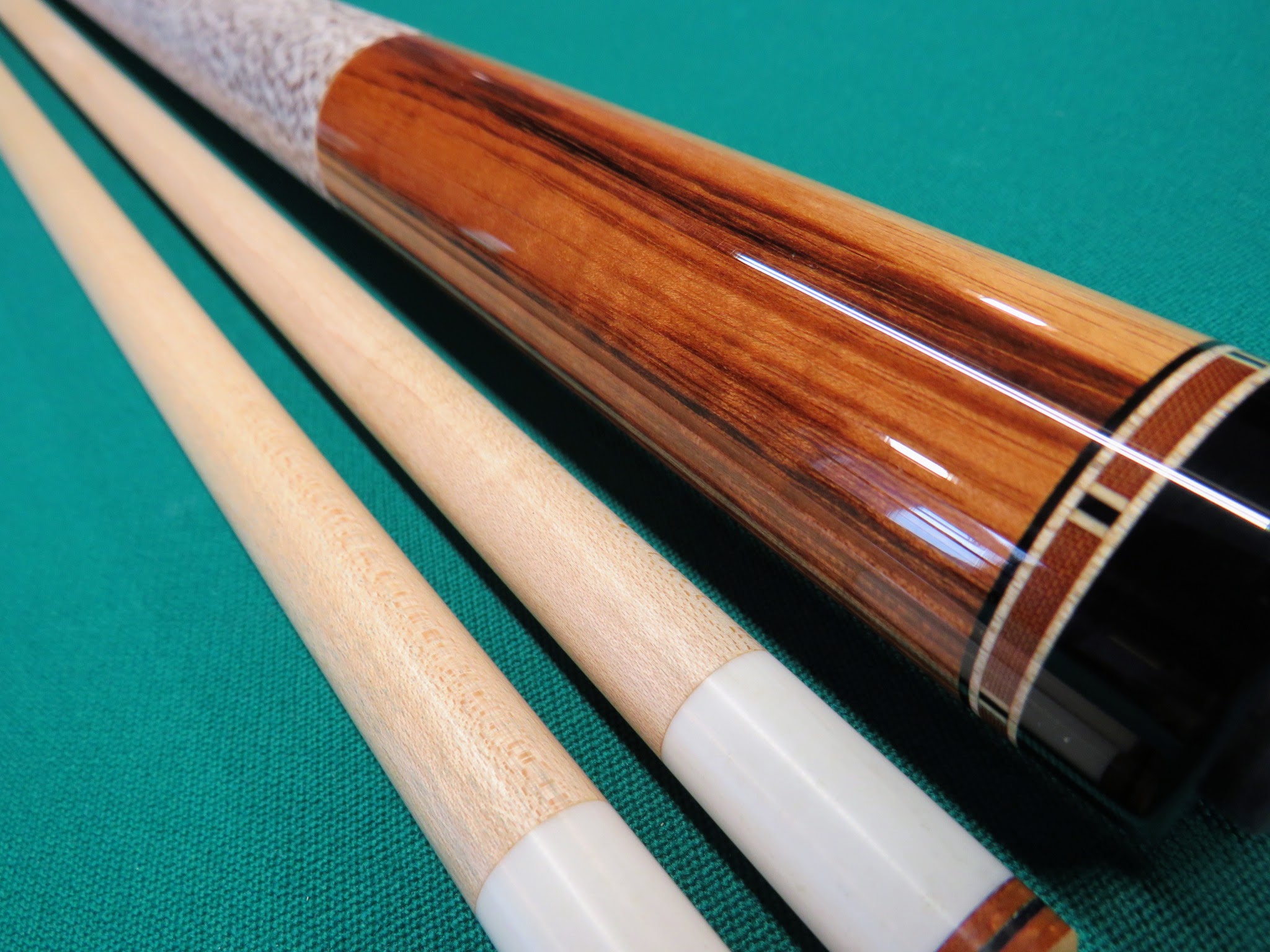
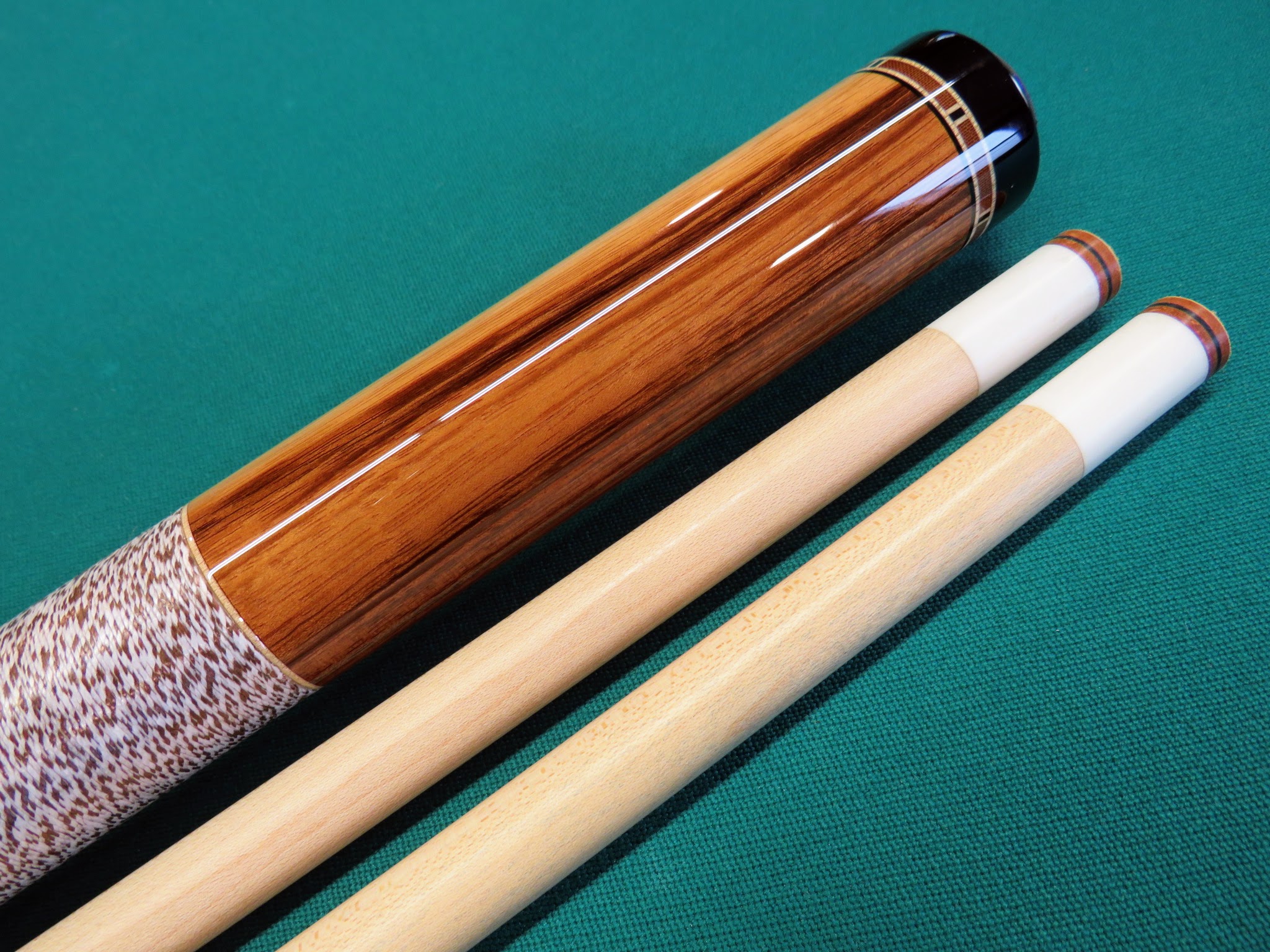
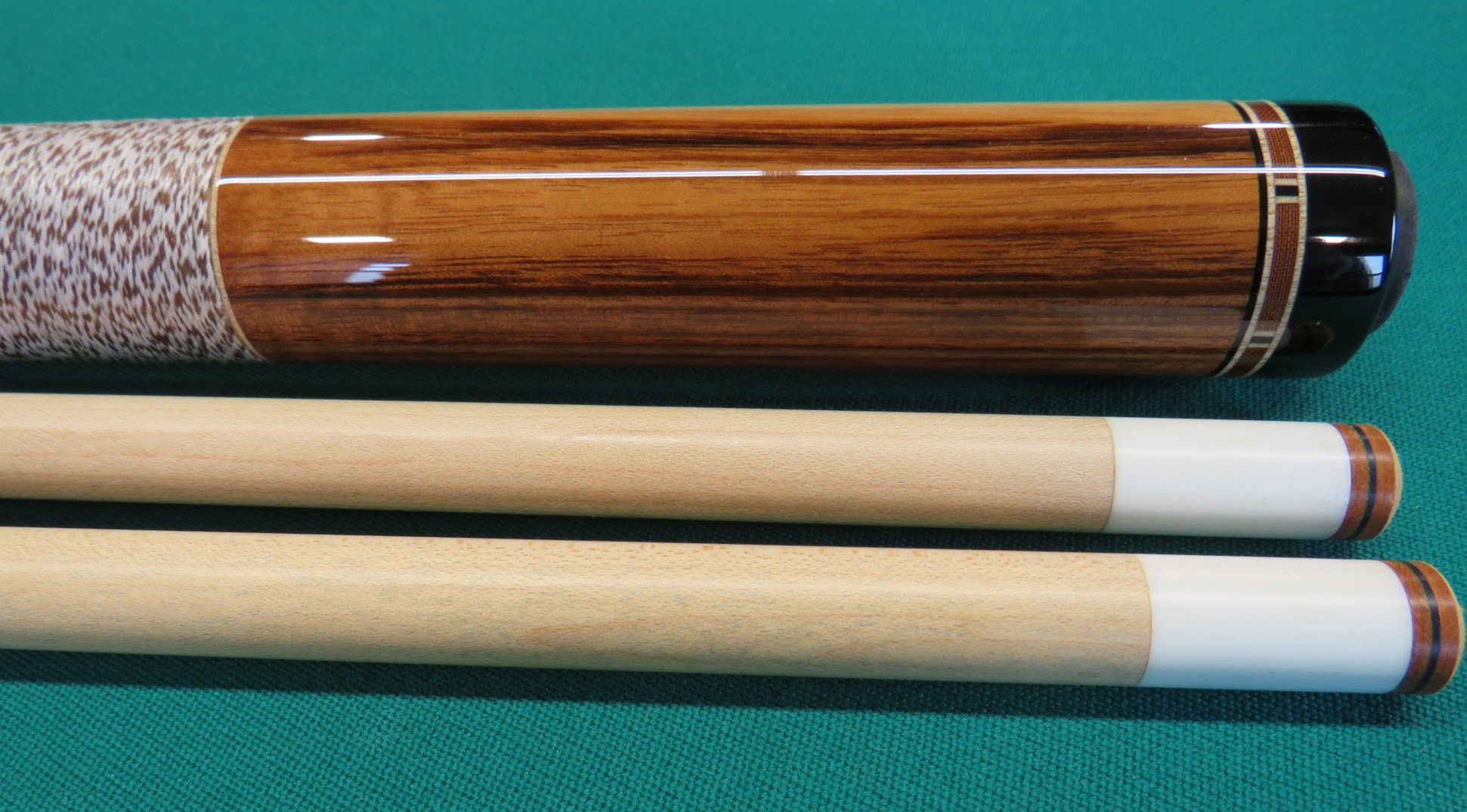
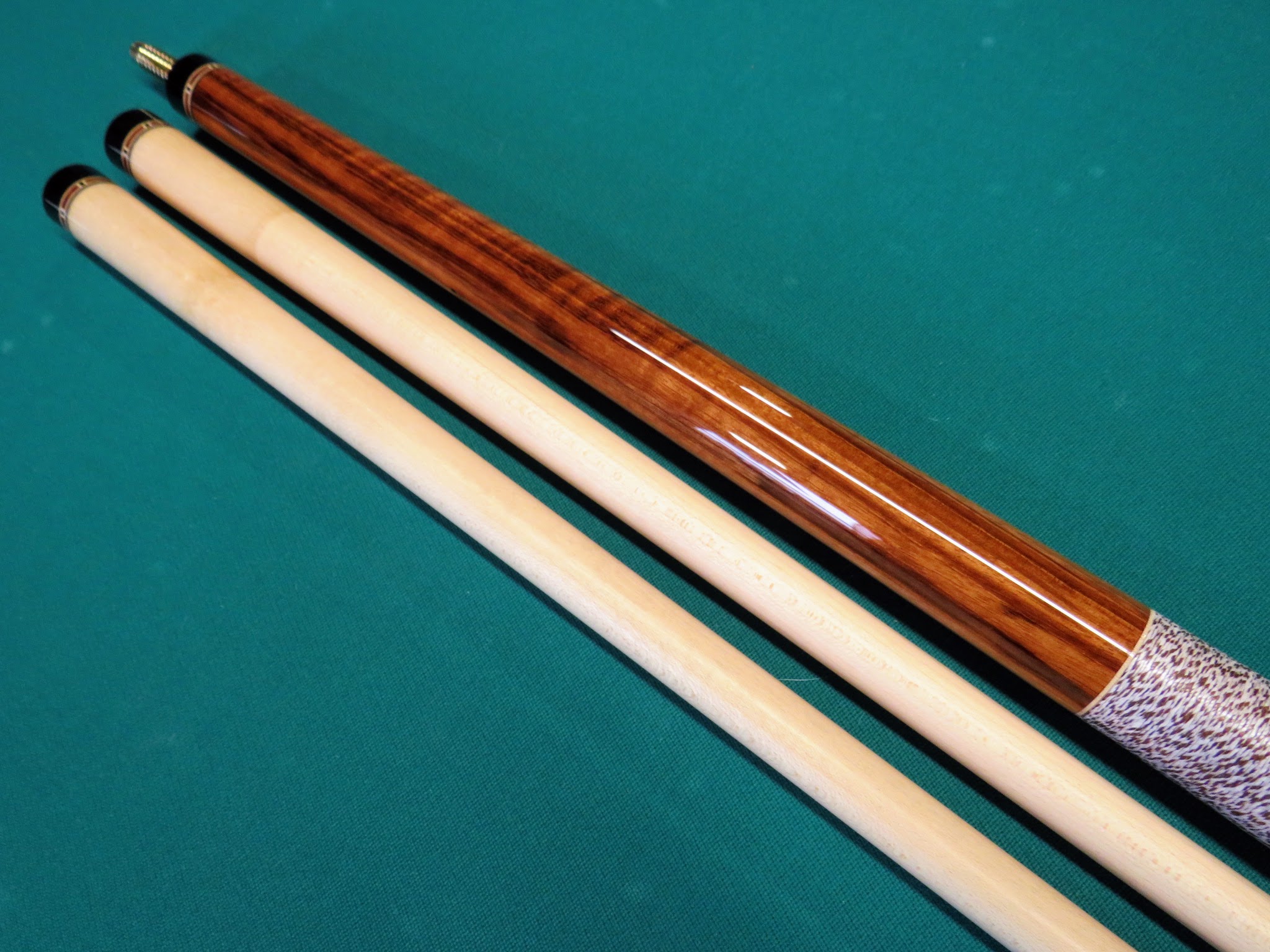
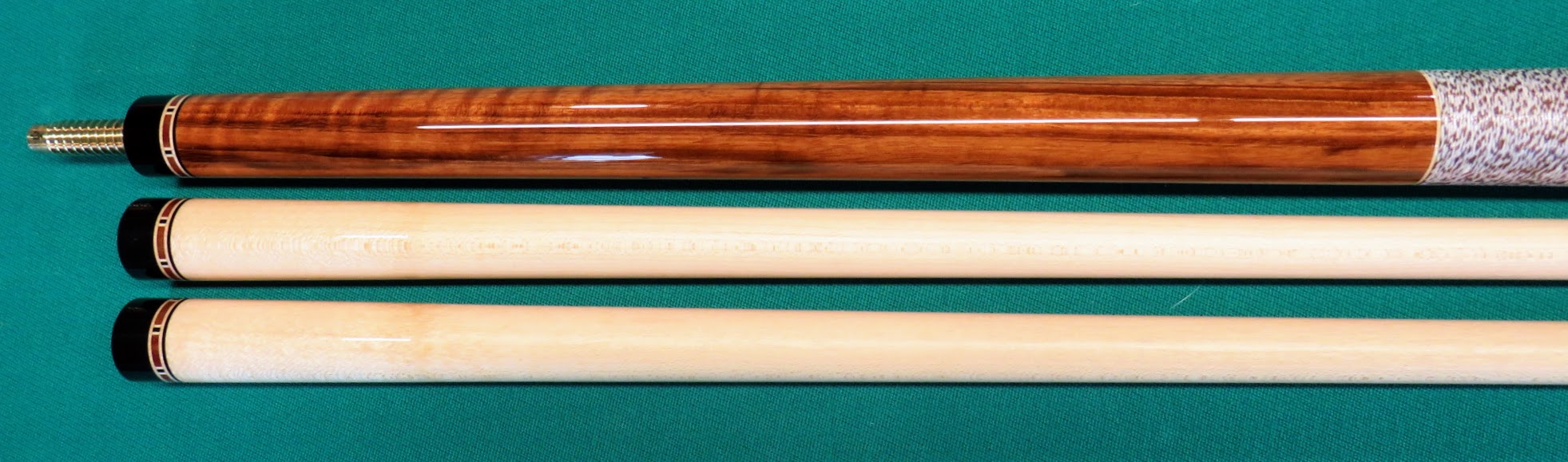
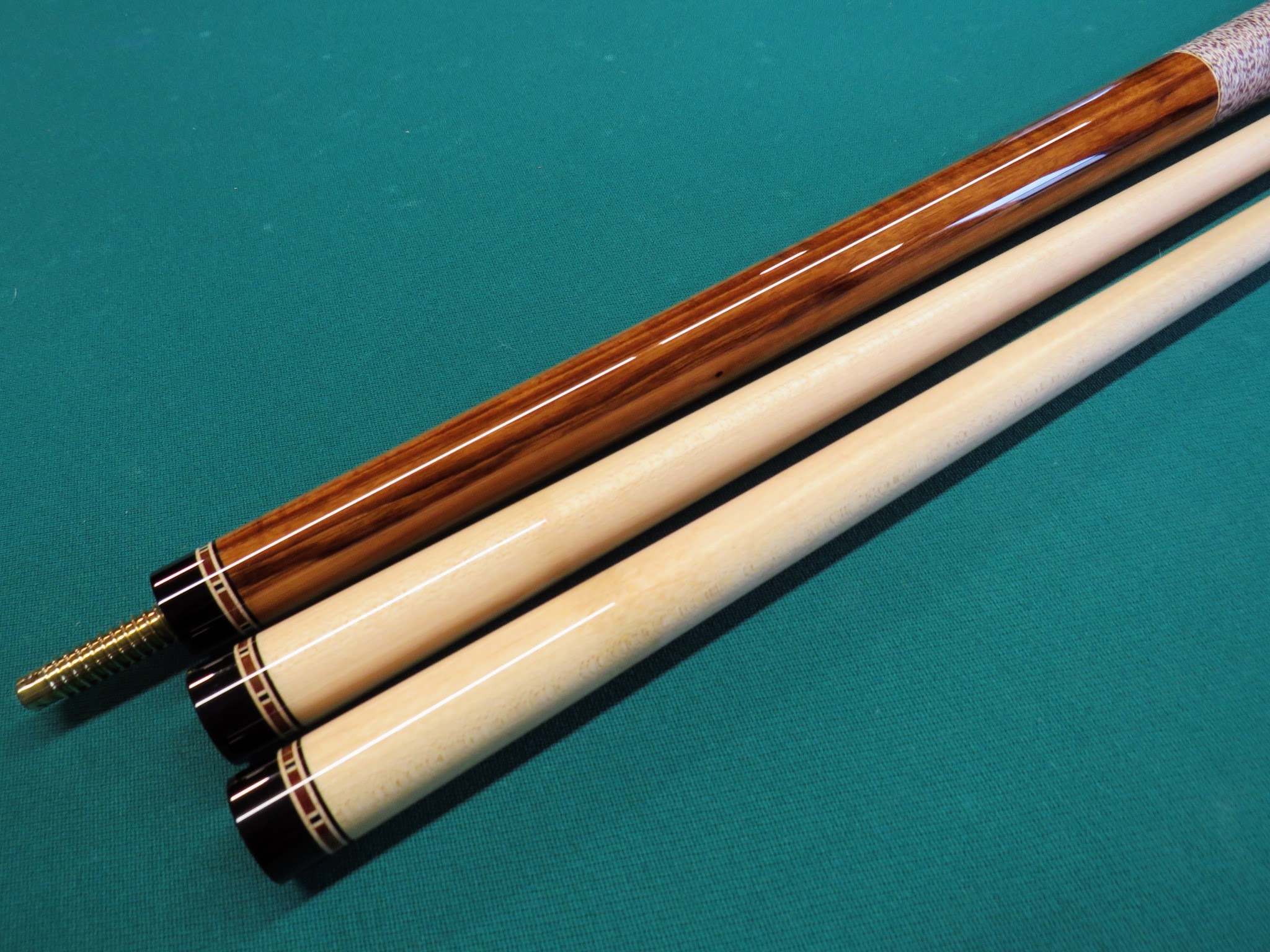
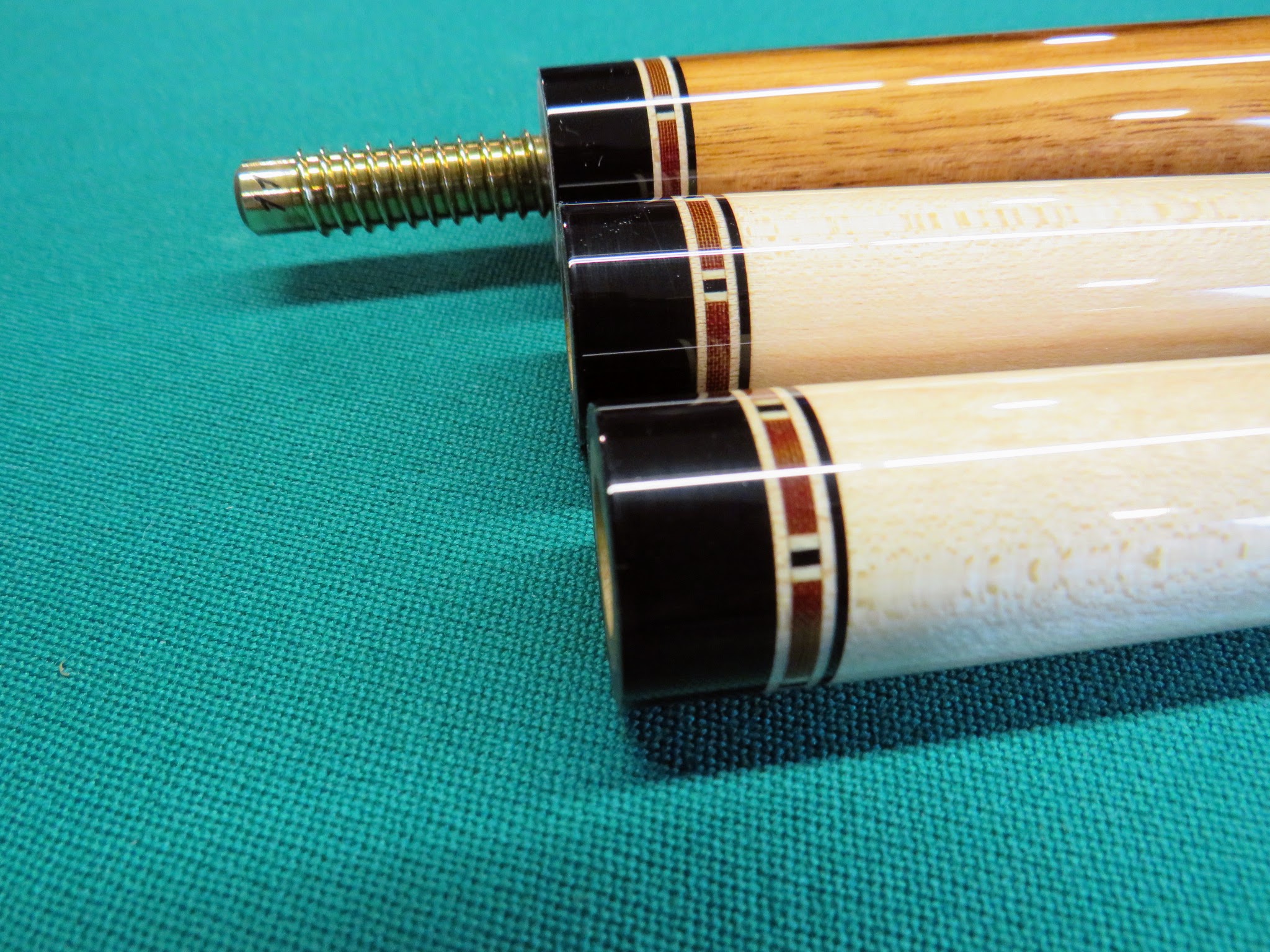
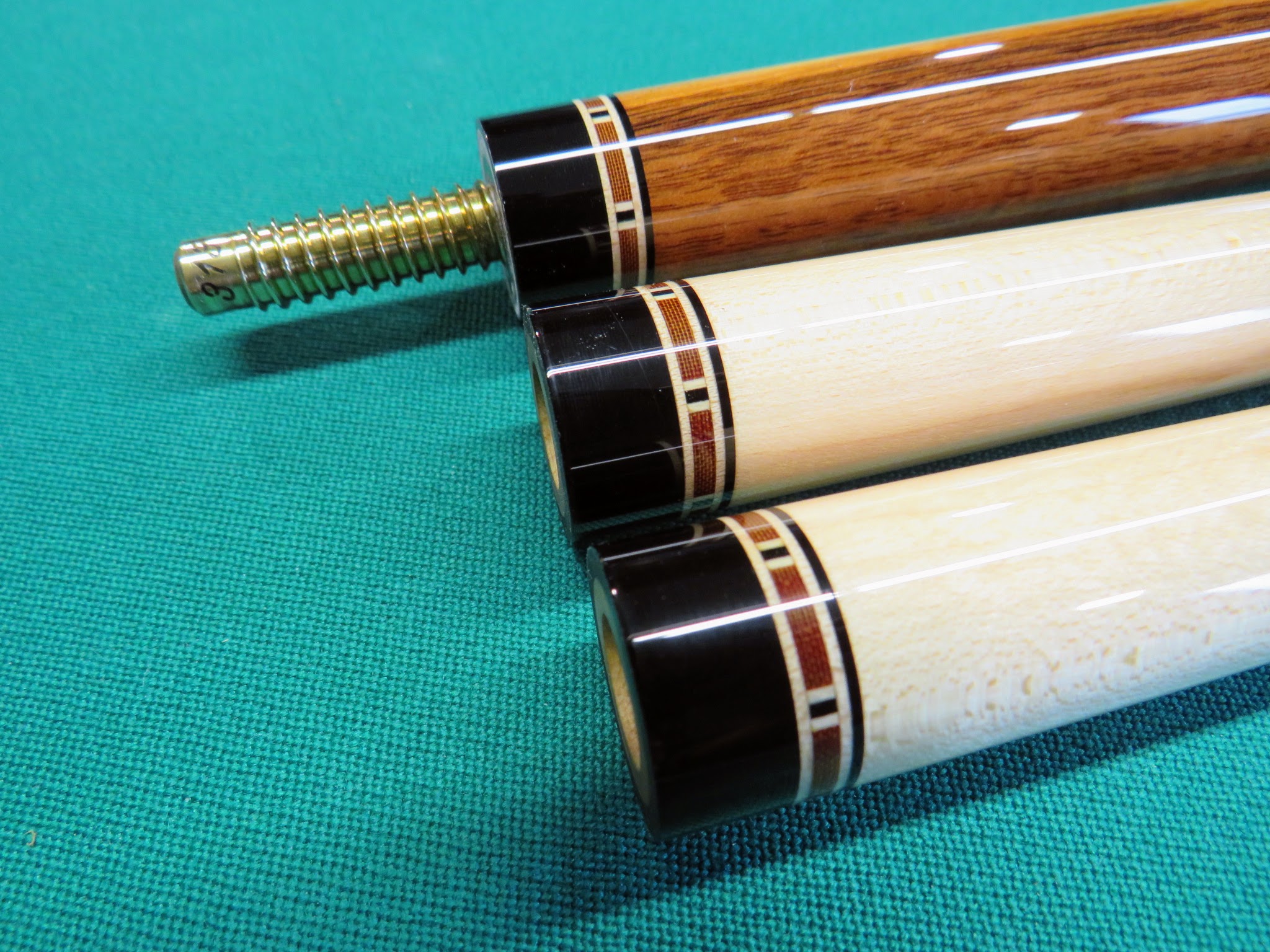
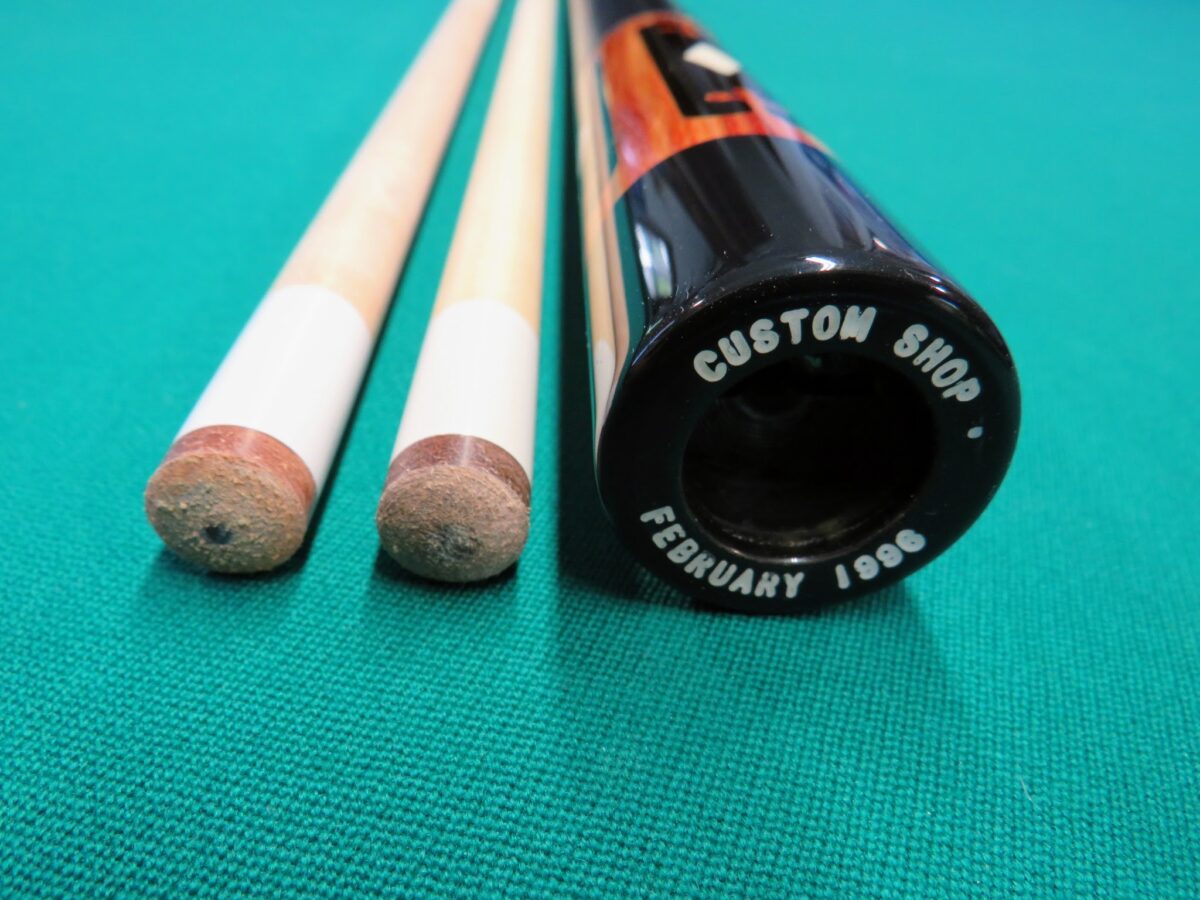
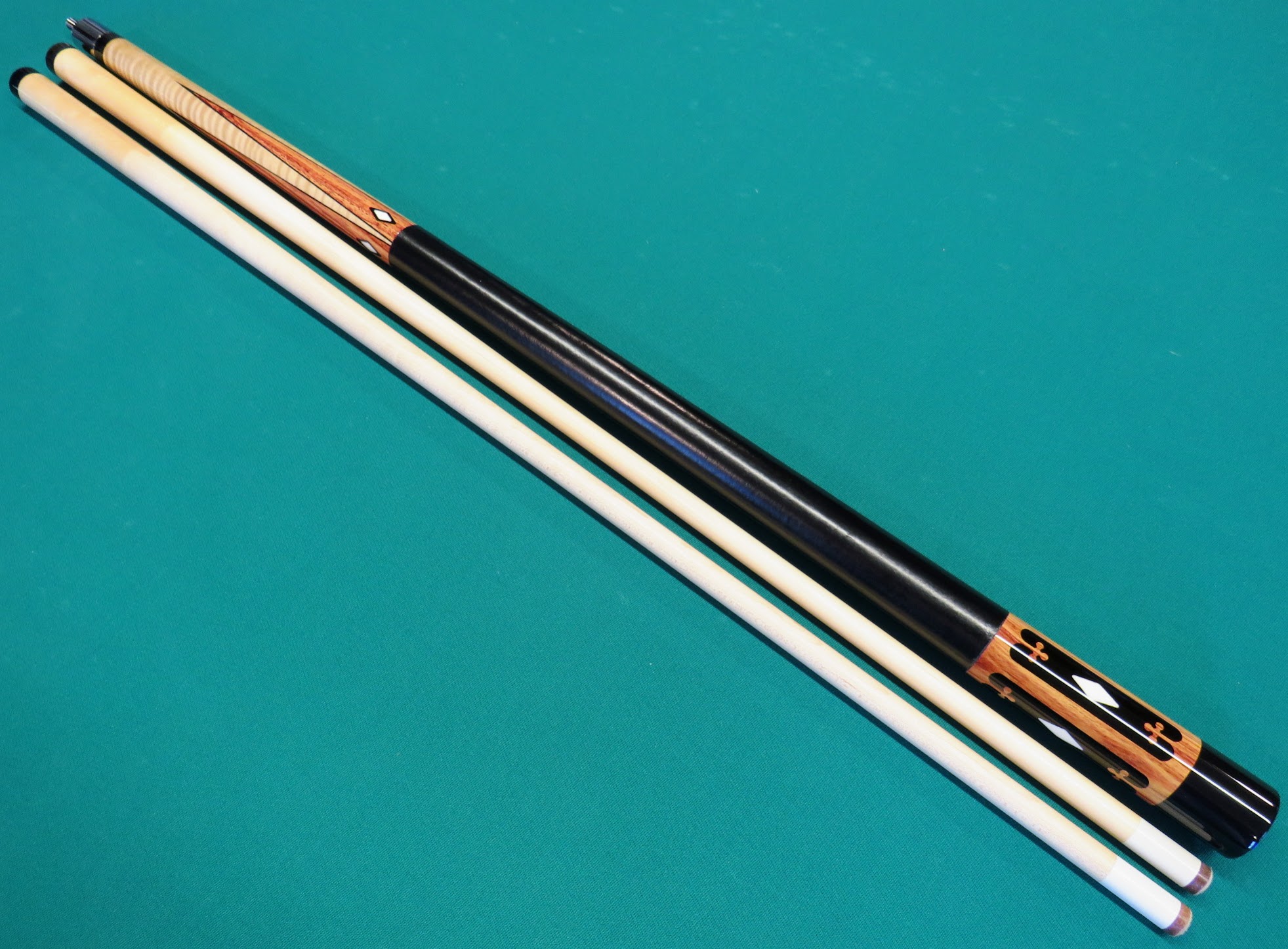
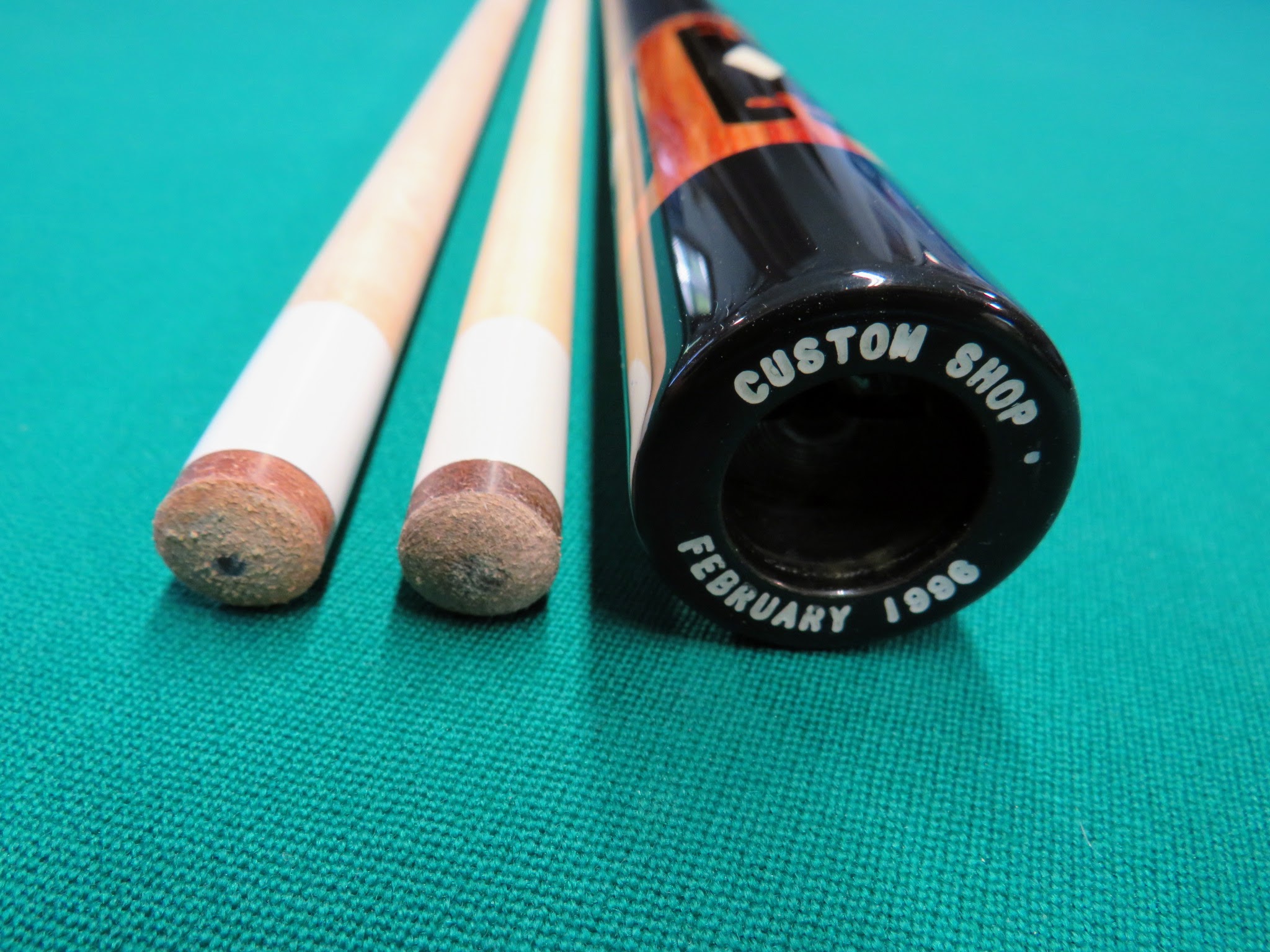
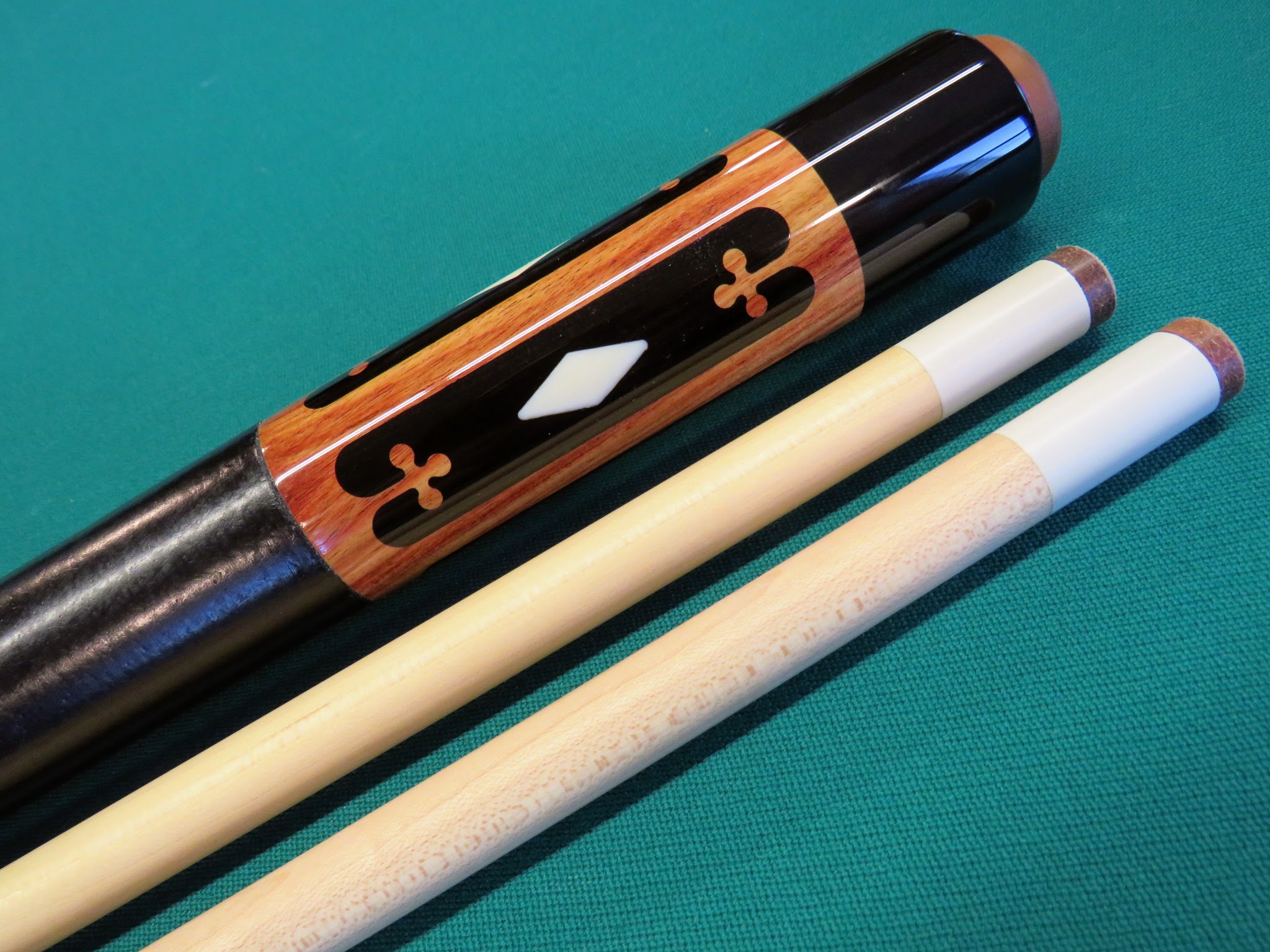
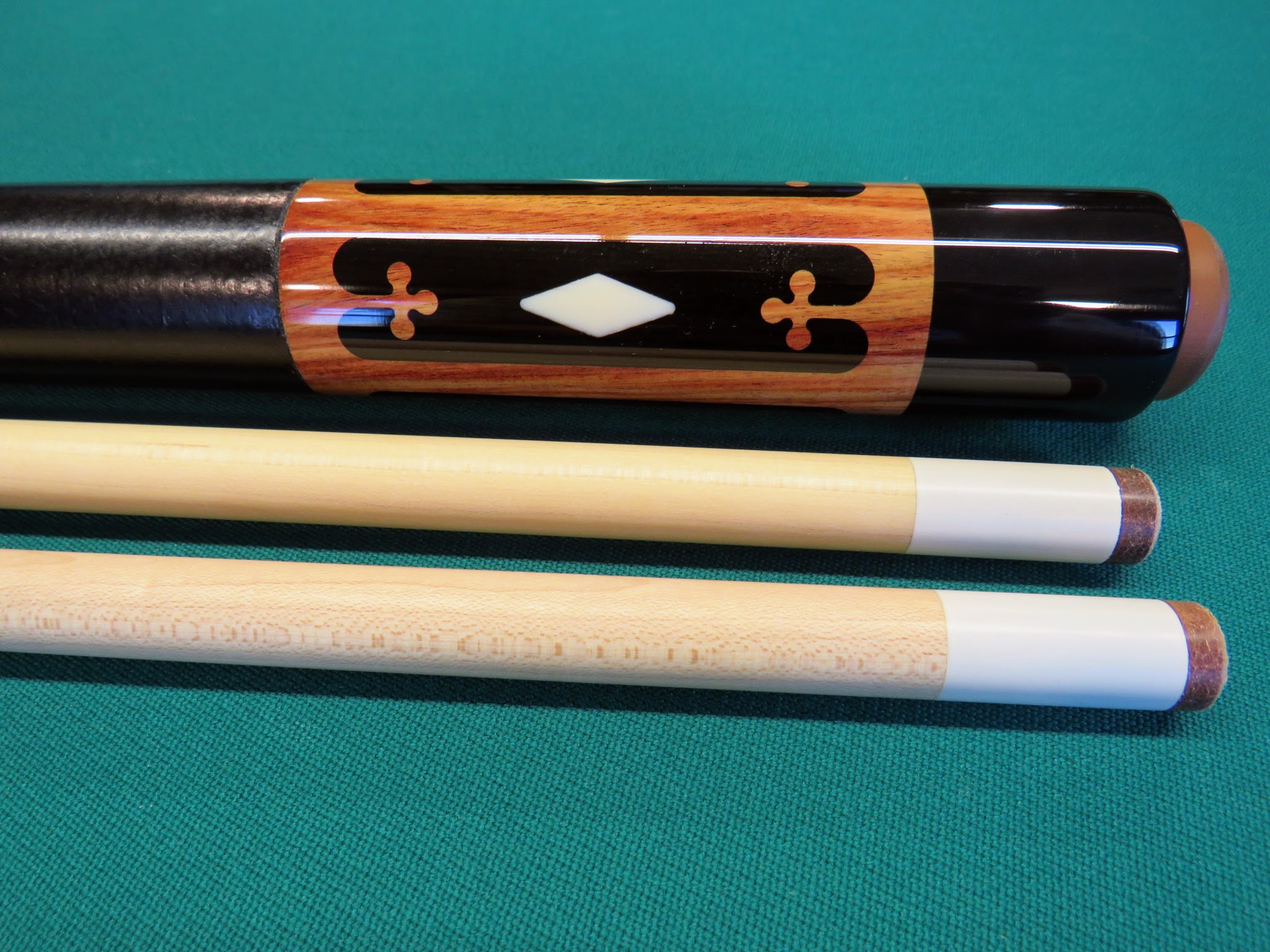
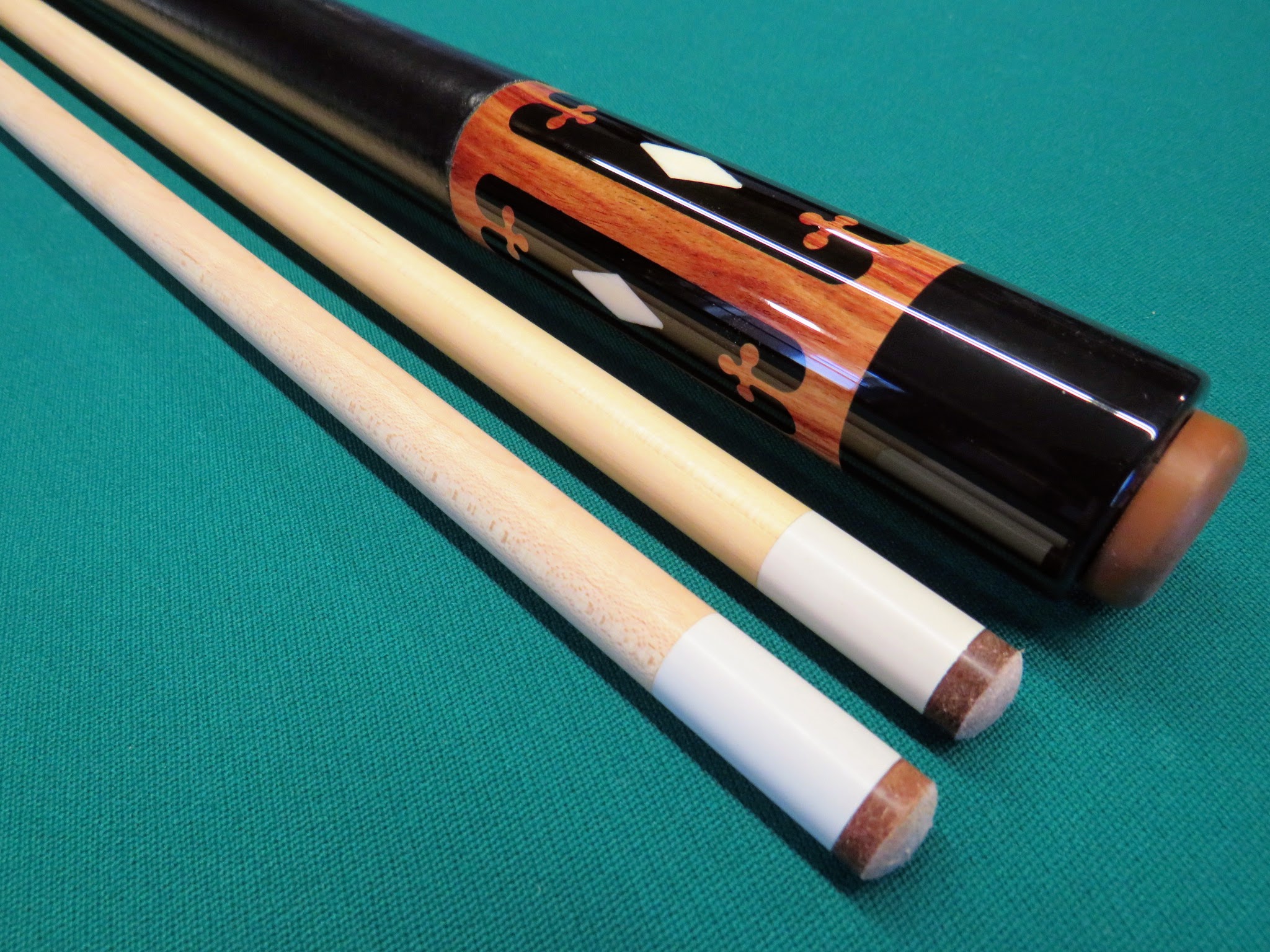
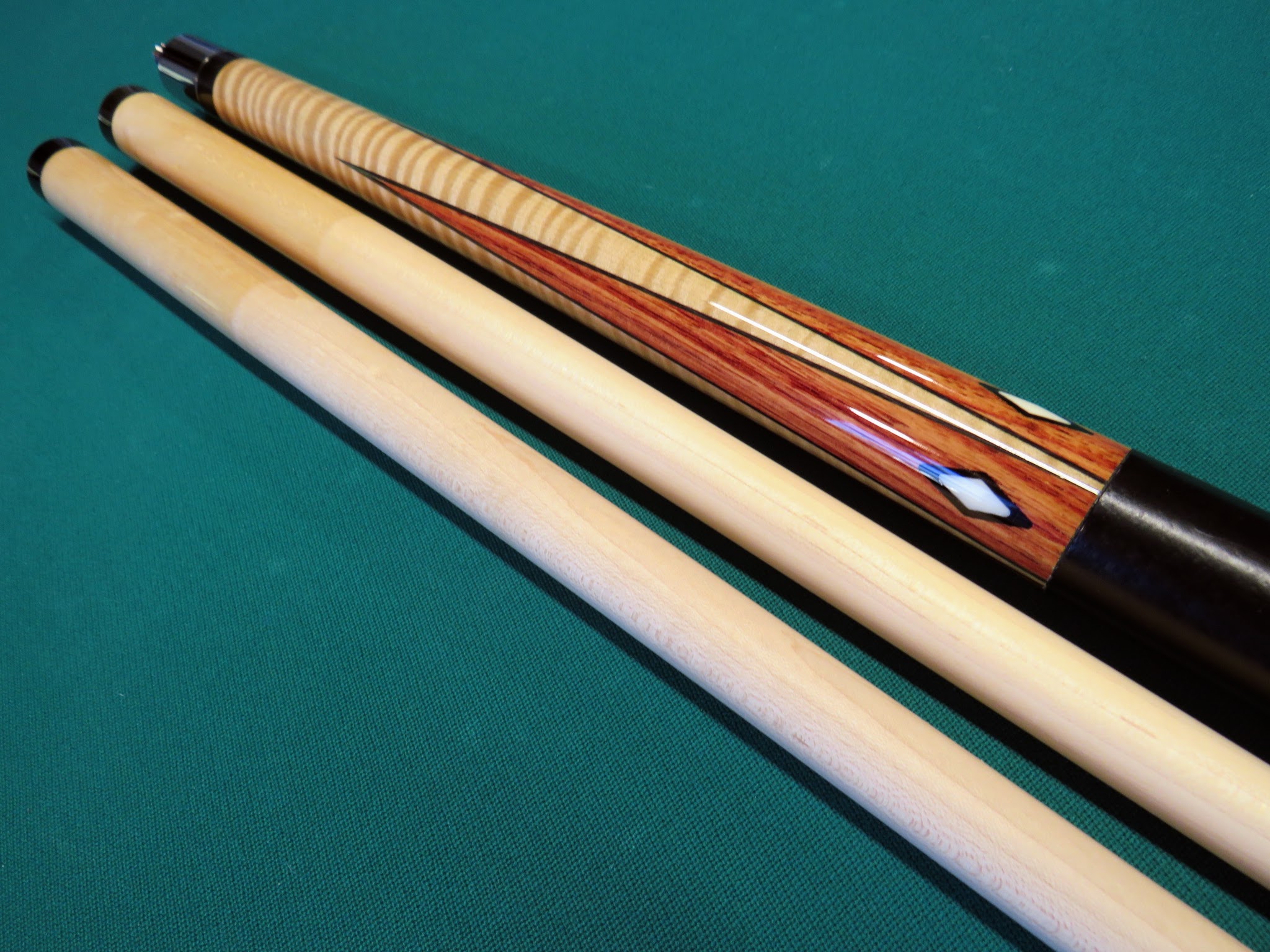
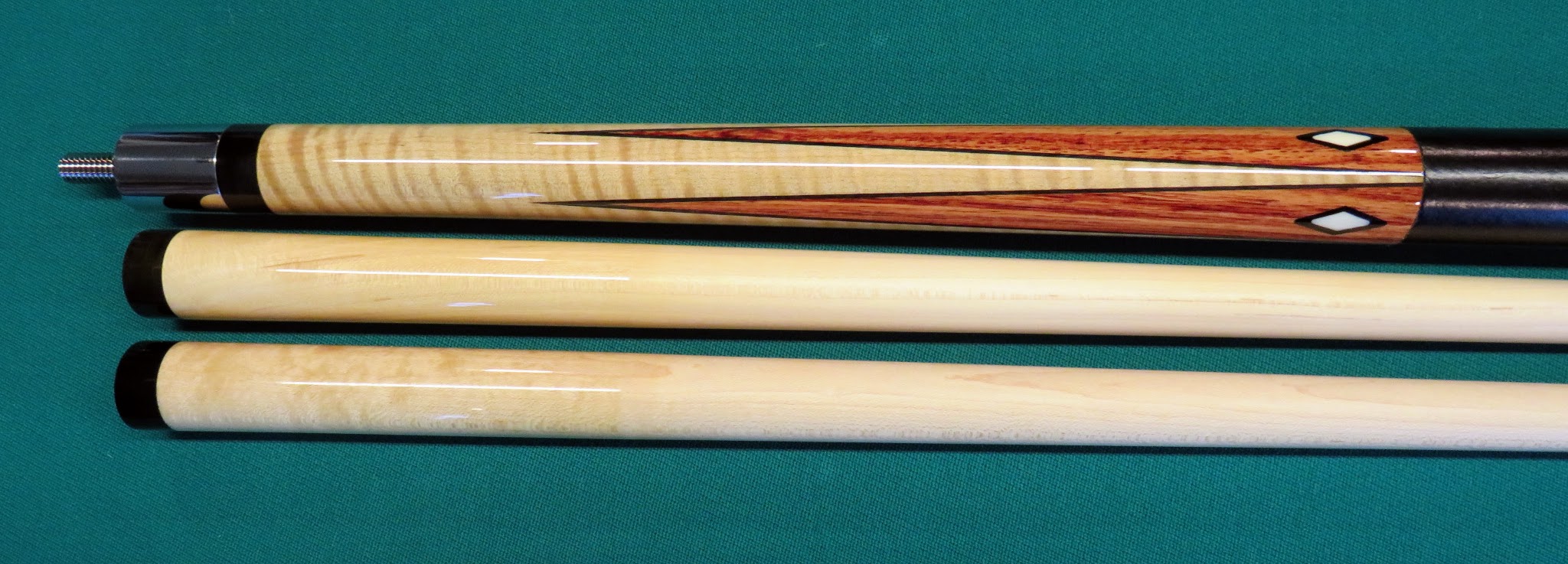
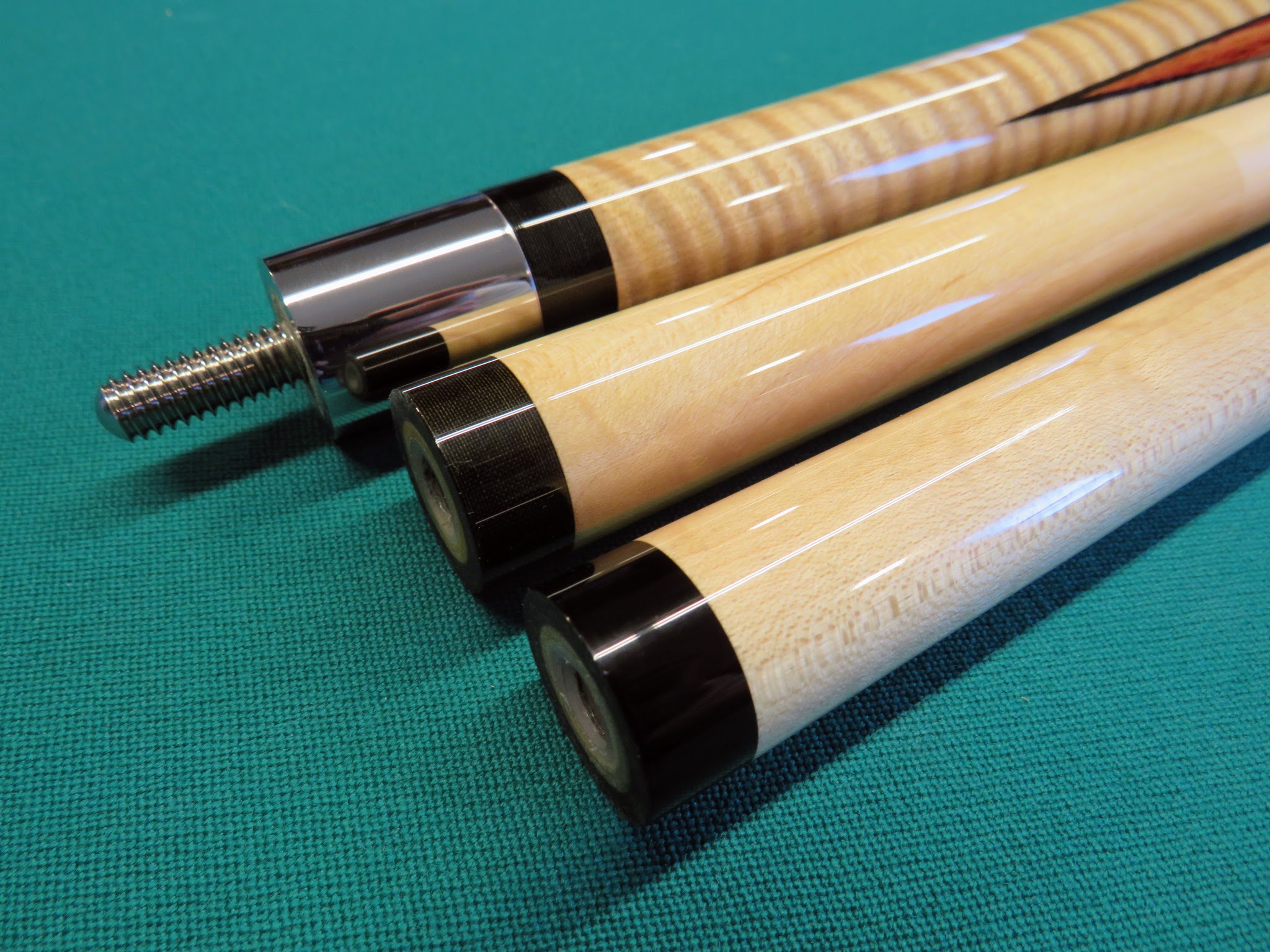
This pair of R Series Schon cues are examples of finish work performed here at Proficient Billiards.

Schon Cues have been premium, handcrafted custom pool sticks made in the USA since 1981. Founded by Terry Romine Sr. and later designed by Evan Clarke, these cues are engineered in small quantities in Milwaukee, Wisconsin, and are universally praised for their signature stiff, crisp hit, exceptional feedback, and meticulous inlay detail. Every genuine Schon cue features a signature piloted stainless steel joint with a 5/16×14 pin and a shorter shaft taper that delivers world-class stability and playability.

The Schon Engineering & Material

Schon intentionally avoids mass production, building cues on a select number of craftsman tables. Their intensive production process sets them apart:

  • Wood Aging: Core woods like Birdseye Maple and exotic species are cut and rested for six weeks, then gradually turned down weekly before any inlay work begins.
  • Exotic Material Packages: Inlays feature high-caliber elements like Ebony, Cocobolo, Micarta, Elforyn, and vibrant Turquoise or Abalone shells.
  • No Changes to Playability: Whether you purchase an entry-tier model or a highly ornate custom cue, the internal engineering, shaft quality, and hit remain identical—you are strictly paying for the visual complexity of the inlay package.

2006 Sumrall cue

2006 Sumrall cue

This 2006 Sumrall cue is an example of cue refinishing performed here at Proficient Billiards.

Paul Sumrall Cues (operating under SS Cues) are highly regarded, custom-crafted billiard cues handmade by cuemaker Paul Sumrall. Based in Texas, Sumrall has been custom-crafting billiard cues since 1997. He is widely celebrated within the billiards community for his specialization in traditional, old-school full splice cues and high-quality “Sneaky Pete” style players

Key Characteristics & Craftsmanship

  • Traditional Full Splice Construction: Unlike short-splice cues where points are glued over a forearm, Sumrall builds his full splice cues completely from scratch. This construction gives the cue a highly coveted, solid, and seamless hit that mimics the feel of a one-piece cue.
  • Exotic Woods & Vibrant Veneers: His work frequently highlights premium, heavy hardwoods like Central American Cocobolo and Gaboon Ebony, paired with beautifully figured Birdseye Maple fronts. His veneered cues are well known for having bright, flame-like, multi-colored wood stacks (often utilizing vibrant yellow, orange, red, and purple layers).
  • Distinct Physics & Feel: Sumrall cues are frequently built as “big boy” player setups, often measured at an even-split 59 inches rather than the standard 58 inches, utilizing a heavy wood butt configuration (around 14.8 to 15.5 oz) paired with a traditional 3/8-10 joint pin.
  • Wrapless “Slick Handles”: A significant portion of his signature full splice designs feature elegant, wrapless handles that display the natural beauty of the continuous wood grain.

Cornbread Red Window Viking cue

Cornbread Red Window Viking cue

This Cornbread Red window Viking cue is an example of finish work performed here at Proficient Billiards.

Gordon Hart was the visionary founder of Viking Cue Manufacturing, Inc., one of America’s oldest, largest, and most respected production and custom cue makers. From humble beginnings crafting two-piece pool cues in a Wisconsin basement, Hart revolutionized cue craftsmanship and helped establish the standards of excellence for the modern billiards industry.

The History of Viking Cues

  • Basement Origins (1965): Gordon Hart originally opened a pool room called “The Viking” in Stoughton, Wisconsin. In 1965, he began building two-piece pool cues using a single lathe in the basement of the pool hall.
  • Expansion to Madison: To get his name out, Hart traveled across the country peddling his unique hand-made cues at various tournaments. The cues quickly gained popularity among top players. By the late 1960s, demand outgrew the basement, prompting Hart to sell the poolroom and move manufacturing to a dedicated facility in Madison, Wisconsin, which remained the company’s home for nearly five decades.
  • The 1986 Billiards Boom: Viking experienced steady growth through the 1970s and early 1980s. However, the release of the 1986 film The Color of Money sparked a massive nationwide surge in the billiards industry, skyrocketing Viking into a mainstream powerhouse that eventually employed nearly 100 people at its peak.

Design Innovation & Collecting Legacy

Vintage cues personally built or overseen by Gordon Hart are highly collectible today. He was a pioneer in custom cue mechanics and aesthetics:

  • Distinct Joint Variations: Hart popularized the concept of offering players several interchangeable joint types to customize the “feel” and hit of the cue.
  • Veneers and Blanks: While many early Viking cues featured iconic blanks sourced from master cuemaker Burton Spain, Hart also popularized the distinct “three-point cue” featuring seamless wood veneers.
  • The Window Logo: A signature trait of early-era Gordon Hart Viking cues is the company logo famously displayed inside a clear plastic window built directly into the butt sleeve.

Industry Recognition & Later Life

Gordon Hart’s impact on the craft earned him the highest honors in the billiards community:

  • ACA Lifetime Achievement: In 1994, he received the Lifetime Achievement Award from the American Cuemakers Association for his pioneering efforts and for setting early value benchmarks.
  • Hall of Fame Induction: He was formally inducted into the International Cuemakers Association Hall of Fame in 2016, and post-humously honored by the American Cuemaker’s Hall of Fame.

Hart passed away on August 29, 2019, at the age of 81, leaving behind a legacy that transformed Viking from a local Wisconsin hobby into a globally recognized brand synonymous with American-made quality.

Billy Joe “Cornbread Red” Burge (1931–2004) was a legendary American pool player and high-stakes hustler revered as one of the most colorful characters in billiards history.

Career & Legacy

  • Specialty: He was an expert One-Pocket and Bank Pool player.
  • Hall of Fame: Inducted into the One-Pocket Hall of Fame (2004) and Bank Pool Hall of Fame (2005).
  • Home Base: He spent years playing at The Rack near Detroit, a mecca for high-stakes road players.
  • Era: A core fixture of the 1950s–1970s hustling boom, competing against legends like Minnesota Fats at the Johnston City tournaments.

Persona

  • Style: Known as a loud, fiery, and completely fearless gambler who turned matches into entertainment spectacles.
  • Humor: Infused his matches with comedy and loud trash-talk.
  • Media: His wild life on the road is detailed in the biographical novel Cornbread Red: Pool’s Greatest Money Player by Bob Henning.

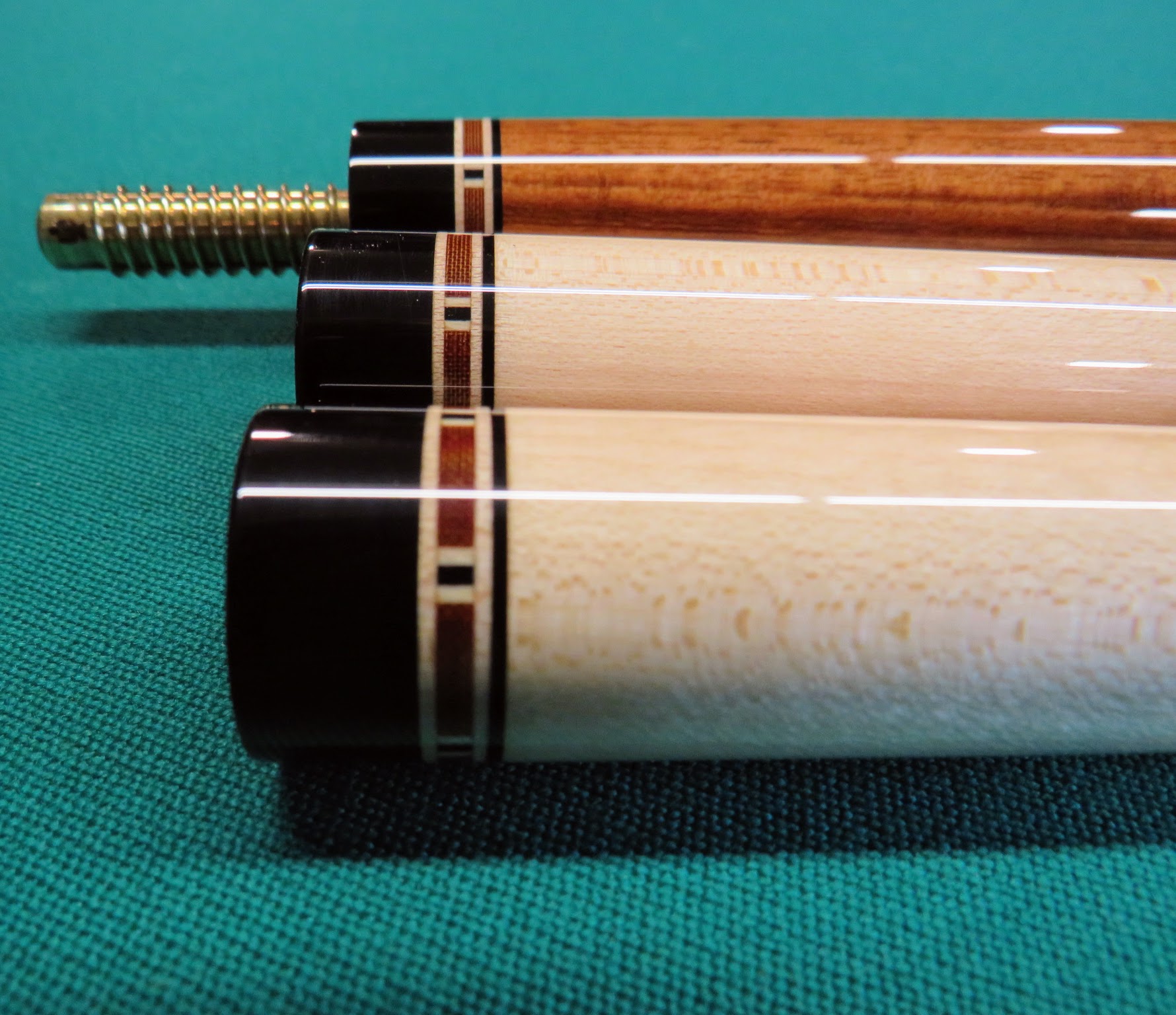
Southwest cue – 11-313

Southwest cue – 11-313

This Southwest cue is an example of refinishing performed here at Proficient Billiards.

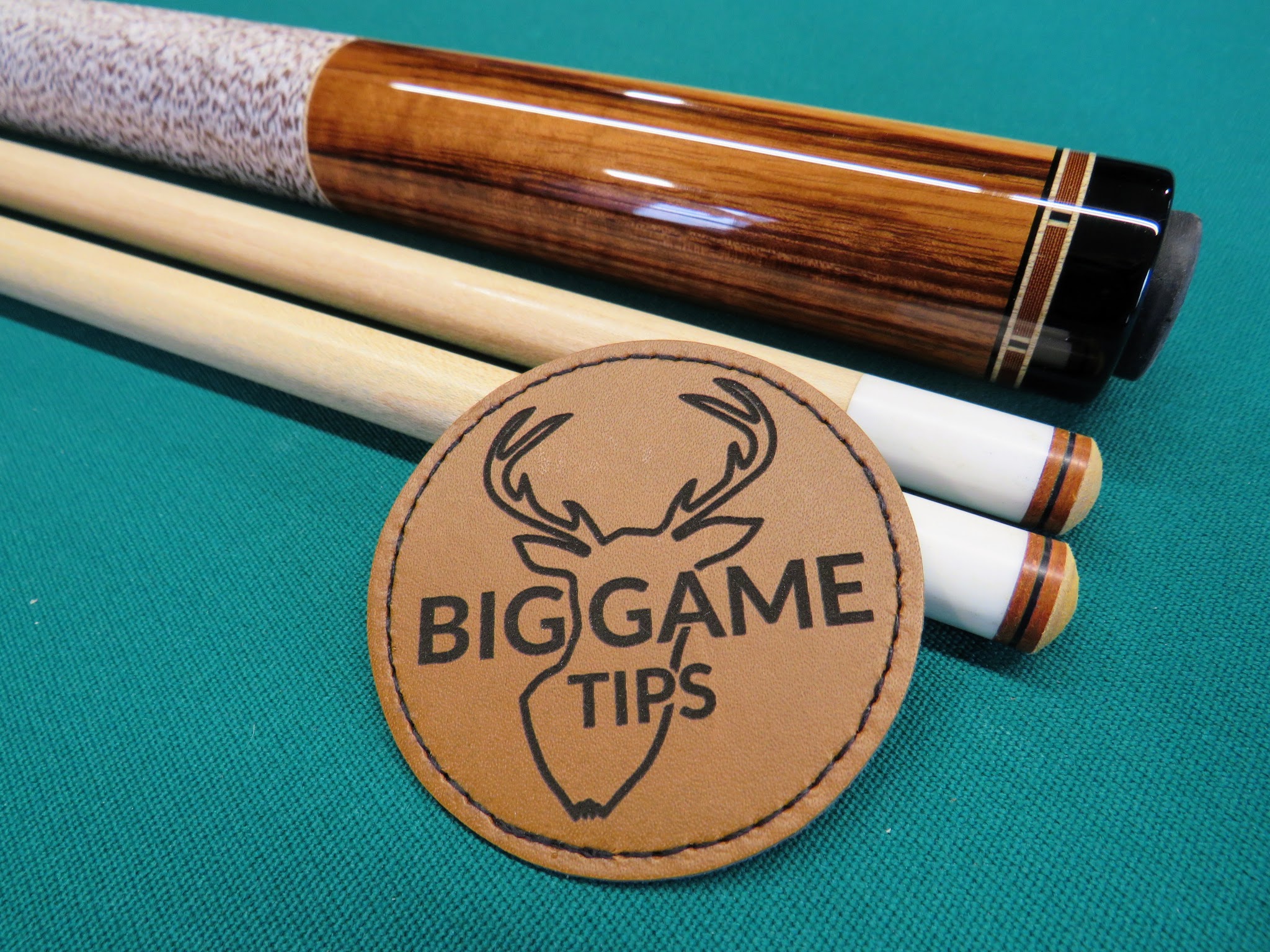
Both shafts were re-tipped with Big Game tips www.biggametips.com. Big Game Tips hold chalk like no other, control the cue ball like it’s attached to a string.

South West Custom Cues are widely considered some of the most iconic, collectible, and highly sought-after custom pool cues in the history of billiards. Founded by Jerry Franklin in 1982 in Las Vegas, Nevada, they are legendary for their distinct design formula, exceptional forward-weighted balance, and rigid hit.

Because the South West workshop deliberately limits production to maintain meticulous quality control, they have a massive multi-year waiting list for direct orders, causing their value on the secondary market to soar significantly past retail prices.

Key Technical Characteristics

  • The Joint and Pin: South West famously uses a proprietary, heavy-duty 3/8×11 brass pin that screws directly into the wood of the shaft. This setup creates an incredibly solid, wood-to-wood contact that delivers a crisp, firm, and resonant hit.
  • Aesthetic Blueprint: Their classic style is instantly recognizable. It typically features a 6-point design (three long points and three short points) seamlessly paired with contrasting colored veneers. They utilize premium, high-density exotic hardwoods like Cocobolo, Macassar Ebony, Goncalo Alves, and highly figured Birdseye Maple.
  • The Serial Number System: Cues are numbered chronologically by year. For example, a pin stamped with a number like “34312” tells a collector that it was the 43rd cue completed in the year 2012 (with South West starting its yearly count at number 300).
  • Standard Configuration: Almost every authentic South West cue is originally built and sold as a matching set featuring one butt and two shafts, alongside their characteristic double-ring accents.

Market Eras and Collectibility

  • Franklin Era (1982–1996): Cues built while founder Jerry Franklin was alive. These carry a significant premium, especially early “pre-date” models from the 1980s that lacked serial numbers.
  • Laurie Franklin Era (1996–Present): Following Jerry’s passing, his wife Laurie took over operations alongside long-time shop cue-makers like Al Bautista. They have strictly maintained Jerry’s exact construction methods, tapers, and high standards, keeping the brand’s legendary mystique intact.

1996 Huebler Custom Shop cue

1996 Huebler Custom Shop cue

This 1996 Huebler custom shop cue is an example of cue refinishing performed here at Proficient Billiards.

Huebler cues are highly regarded vintage, American-made pool cues known for their distinct solid feel, excellent playability, and historical significance in the billiards community. Crafted by custom cue maker Paul Huebler out of Missouri starting in the early 1970s, these cues are highly sought after by both serious players and collectors.

Key Characteristics & Craftsmanship

  • Nylon Shaft Inserts: The absolute trademark of a Huebler cue is the nylon insert in the shaft. Paul Huebler utilized nylon because he believed it created a tighter, more solid wood-to-wood feel connection than standard metal inserts, though players note they must be handled carefully to avoid cross-threading.
  • Joint Specification: They typically utilize a 5/16-18 flat-faced joint.
  • Distinct Branding: Most models are easily identifiable by a horizontal “Huebler Made in USA” logo or a vertical logo stamped directly on the butt cap.
  • Historical Origins: In the early days of his career, Paul Huebler briefly cross-collaborated with another legendary cue maker, Bob Meucci, before fully establishing his own distinct manufacturing operation. Production ran for decades until Huebler passed away in 2016.

Joe Balsis Window Palmer cue

Joe Balsis Window Palmer cue

We just did some touch up restoration work on this Joe Balsis Palmer window cue. We repaired the wrap area, some polishing, but maintained the originality of the cue… There are probably still some original marks from the Meatman himself.

Joe Balsis (1921 – January 2, 1995), famously nicknamed “the Meatman,” was a legendary American professional pool player and one of the premier straight pool (14.1 continuous) champions of his era. Known for his incredible shot-making power and accuracy, Balsis dominated competitive billiards throughout the 1960s and 1970s and was inducted into the Billiard Congress of America Hall of Fame in 1982.

Early Life & Career Interruption

Born in Minersville, Pennsylvania, Balsis grew up playing in his father’s five-table billiard room, which operated alongside the family meat business (inspiring his lifelong nickname). He was a child prodigy, playing exhibition matches against pool icons like Andrew Ponzi and Erwin Rudolph by age 11. He won four consecutive world junior titles before leaving the sport during pool’s “doldrum years” to serve as a boat machinist in the Coast Guard during World War II, where he won the 1944 Armed Services Championship. Following his service, he stepped away from competitive pool entirely for 17 years to work in the family butcher shop.

The Professional Comeback & Major Titles

Balsis made a dramatic return to competitive pool in 1964 and quickly asserted himself as a dominant force at the professional level. Over the next decade, his powerful, rapid shot pacing contrasted sharply with the deliberate, tactical style of rivals like Irving Crane. Over his career, Balsis achieved a spectacular high run of 302 consecutive balls.

His major career achievements include:

  • U.S. Open Straight Pool Champion: Won twice (1968, 1974) and reached the finals five times between 1965 and 1975.
  • World All-Around Champion: Captured the prestigious title in Johnston City, Illinois, in 1966.
  • Stardust Open All-Around Champion: Won back-to-back titles in 1968 and 1969.
  • Billiard Room Proprietor’s Association (BRPA) Champion: Won in 1965.

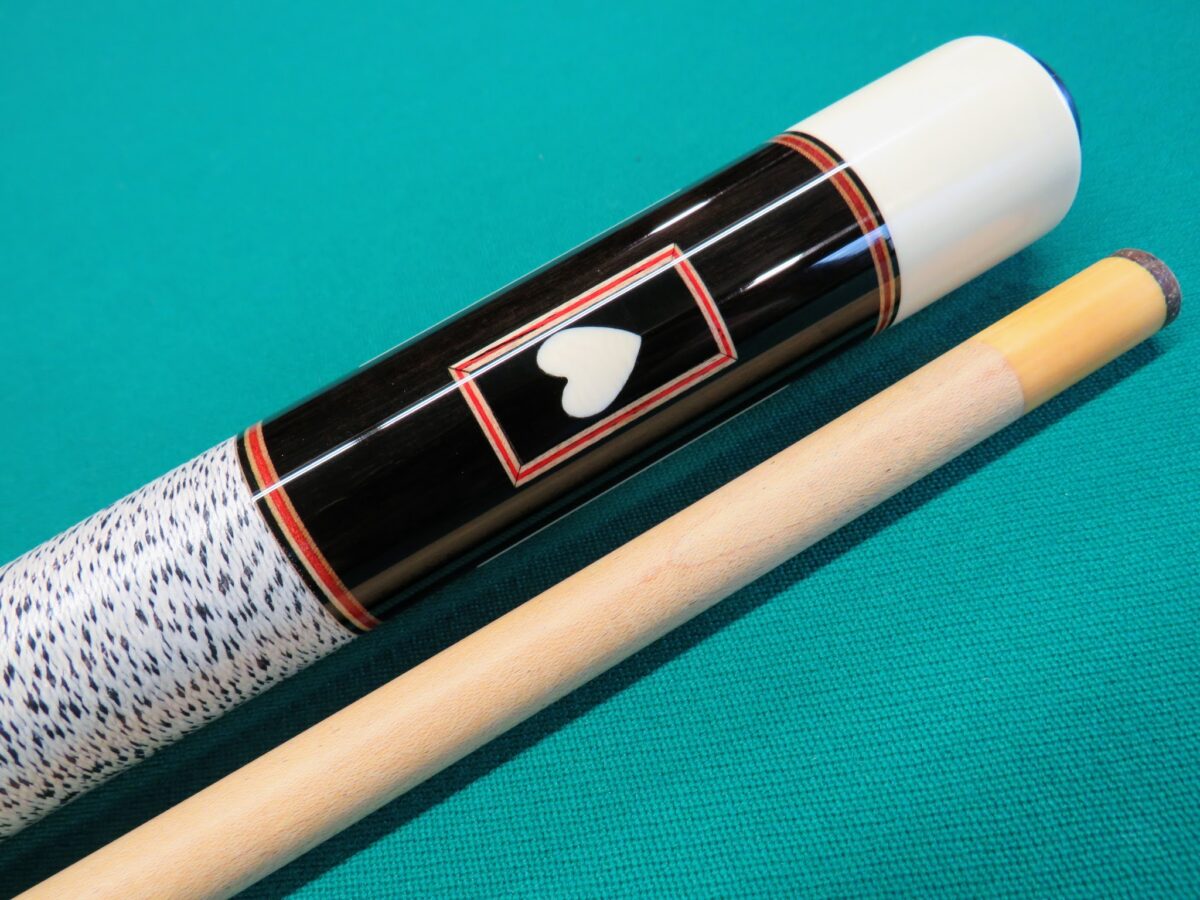
Runde Schon Heart cue – 1 of 1

Runde Schon Heart cue – 1 of 1

This Schon heart cue was made by Bob Runde for his daughter. This is an example of refinish work performed here at Proficient Billiards.

Schön Cues is a highly regarded, family-owned custom pool cue manufacturer established in 1981 in Milwaukee, Wisconsin by Terry Romine Sr. and Bob Runde. Known for their signature stiff, crisp hit and artisan handcrafted detail, the name literally stands for the German meaning behind the word—”Beautiful”. The cues are built in small quantities by a tight staff of master craftsmen and are widely sought after for maintaining superb resale value.

Key Engineering & Playing Characteristics

  • The Stiff Hit: Achieved through a heavy-duty piloted stainless steel joint, a 5/16×14 pin, and a shorter shaft taper.
  • Genuine Inlays: All diamonds, spears, and points are individual pieces of exotic wood, abalone, mother-of-pearl, or silver hand-cut and leveled flush with the surface—never decals or stickers.
  • Premium Materials: Built using fully aged hard rock maple shafts cured for years to prevent warping, accompanied by exotic wood bases like Ebony, Cocobolo, Bocote, and Tulipwood.
  • Interchangeable Shafts: Every cue is finished using exact, unified standards, allowing new factory Schön Custom Cues Shafts to screw seamlessly onto almost any Schön butt.

Pair of John Robinson Cues

Pair of John Robinson Cues

This pair of John Robinson cues are examples of finish work performed here at Proficient Billiards.

John Robinson custom pool cues are highly sought-after, rare collector’s items crafted by hand without the aid of modern CNC machines. Taught by legendary cue maker Harvey Martin, Robinson built custom cues in Arizona and California, averaging about 30 to 40 cues per year before retiring in 2008. His work is deeply respected by cue enthusiasts and collectors for its distinctive old-school craftsmanship, unique construction choices, and exceptional playability.

Key Characteristics & Construction

  • Reverse Joint System: His signature feature is the joint pin located directly inside the shaft rather than the butt, a design choice shared with cue makers like Burton Spain.
  • Inlaid Joints: The pin-in-shaft engineering allowed Robinson to create beautiful, intricate custom inlays that extended directly into the joint area.
  • Manual Craftsmanship: He used a manual pantograph for points and ivory inlays rather than computer-controlled machinery, and he never used pre-fabricated spliced blanks.
  • Dyed Ivory: He developed a proprietary technique to dye ivory into vibrant colors, such as rich blues, creating striking visual contrasts against exotic woods like Cocobolo and Gabon Ebony.
  • Playability: His cues are widely celebrated for having a very solid, stiff, and crisp hit, usually featuring a slim, comfortable handle.
  • Rarity: Very few of his cues were signed, but they remain instantly recognizable to collectors by their construction. He passed away in 2016.