Texas Express Official 9-Ball Rules

Section 1: Object of the Game
1.1: Object of the Game
Nine-ball is played with a cue ball and nine numbered balls (1-9). The object of the game is to legally pocket the 9 ball. On each shot, the cue ball must first contact the lowest numbered object ball on the table. Any numbered ball pocketed as a result of a legal shot, whatever its number, permits the player to continue. A 9-ball legally pocketed at any time during the game results in a win for the player. A match ends when one of the players has won the required number of games.If a player fails to legally pocket a numbered ball, the incoming player must accept the positions of the cue ball and object ball positions on the table. If the outgoing player has fouled, the incoming player may place the cue ball (called “ball-in-hand”) anywhere on the table (other than variations during the break).Numbered balls do not have to be pocketed in numerical order, provided the lowest numbered ball on the table is contacted first. There is no requirement that any shot or pocket be declared prior to shooting. Each player continues to play until he or she 1) fails to legally pocket a numbered ball, 2) fouls, or 3) wins the game.
Section 2: Racking
2.1: Racking
The numbered balls are racked in a diamond shape with the one (1) ball (or substituted lowest numbered ball) placed at the top of the diamond on the table’s foot spot. The nine (9) ball is placed in the center of the diamond. The remaining seven balls are racked in random order surrounding the nine ball as tightly as possible. This tight position is called “touching,” or “frozen.”
2.2: Opening Rack
The opening rack is determined by the outcome of the lag, with the winner of the lag racking and breaking the numbered balls. The opponent has the right to inspect the rack, but may not request that the numbered balls be arranged in any specific numerical order or placement within the rack. The tournament director or appointed referee may declare a rack acceptable for play at any time, reserves the right to rack at any time, or to select either opponent to rack.
2.3: Ball Tapping During Racking
Attempting to freeze numbered balls in a particular position by tapping or striking them with the cue ball, another ball, or any foreign object is called ball tapping, and is not permitted at any time, including during practice on a tournament-designated table. A player may or may not be issued a warning for ball tapping before the infraction is declared a foul; if determined to be a foul, the penalty is the loss of one game per incident. Only the tournament director reserves the right to tap numbered balls.
Section 3: Breaking
3.1: Opening Break
Players determine the opening break by lagging. The winner of the lag retains the option to break and rack.
3.2: Game Winner Breaks
The winner of each game breaks and racks the next game, unless stated otherwise prior to the tournament.
3.3: Cue Ball Location During Breaking
The designated area for breaking and placement of the cue ball is anywhere behind the head string, including being “frozen” to any rail within the head string area. The base of the cue ball determines its accurate location within the head string. It is the responsibility of the opponent to warn the player breaking (and the player must acknowledge the warning) that the cue ball is past the head string prior to the break. Breaking with the cue ball past the head string (after the warning and acknowledgement) constitutes a foul. The penalty is cue ball-in-hand for the opponent (if a legal break occurs, refer to rule 3.4); or a re-rack and break (if an illegal break occurs, refer to rule 3.5), with the opponent receiving his or her inning at the table.
3.4: Legal Break
A legal break occurs when a) the one (1) ball (object ball, or substituted lowest ball on the foot spot) is struck first by the cue ball and a minimum of four (4) numbered balls driven to the rail, or b) a numbered ball is legally pocketed.
3.5: Illegal Break
Failure to execute a legal break (refer to rule 3.4) constitutes an illegal break. The foul allows the incoming player to rack and break.
3.6: Fouls Prior, During, or After the Break
Once the cue ball has been driven or accidentally bumped past the head string by the chalked area of the cue stick tip (with the player in the bridge and stance position), it will be considered an attempt to break.If a foul occurs during any legal break or break attempt, then the incoming player has cue ball-in-hand. If a foul occurs during any illegal break or break attempt, then the incoming player racks and breaks. Any attempt by the player to interfere with the path of the cue ball during a break is a foul, even within the head string area; if any interference occurs during a legal break, the opponent receives cue ball-in-hand; if any interference occurs during an illegal break, the opponent racks and breaks.If, during any attempt to break the player hits the cue ball more than once, the penalty is a foul, even if the interference occurs within the head string area. If the interference occurs during a legal break, the opponent receives cue ball-in-hand; if the interference occurs during an illegal break, the opponent racks and breaks. Any numbered ball driven off the table (off the playing surface and not pocketed) constitutes a foul. If a ball is driven off the playing surface during a legal break, the opponent receives cue ball-in-hand; if the ball is driven off during an illegal break, opponent racks and breaks.Any attempt resulting in the cue ball being pocketed or driven off the table and not striking the rack is a foul, giving the opponent the break. If the cue ball leaves the table in an otherwise legal break, the opponent receives the cue ball-in-hand. If the cue ball leaves the table on an illegal break, the opponent racks and breaks. All numbered balls that are driven off the table are considered out of play and will be placed in a pocket (manually pocketed) and any numbered balls pocketed remain in the pocket. The only numbered ball to be spotted is the nine (9) ball. If the foot spot is being occupied by a numbered ball, the nine (9) ball will be spotted in the next closest area behind the foot spot on a line (the long string) from the center of the foot spot to the foot rail. Any attempt to break that results in the cue ball’s striking a rail before it strikes the rack constitutes a foul; if during a legal break, opponent receives cue ball-in-hand; if during an illegal break, the opponent racks and breaks. Any foul occuring prior, during, or after the break is included in the three (3) foul rule and is considered the first foul.
Section 4: Push Out
4.1: Push Out Option After the Break (Also referred to as a Roll Out)
The player who executes a legal break and pockets a numbered ball has the option to push out (shoot the cue ball) on the first shot after the legal break. If no balls are legally pocketed on the break, the incoming player retains the option to push out.After a legal push out, the incoming player has the option to accept the position of the cue ball and execute a shot, or pass (non-execute) the shot attempt and allow the opponent to shoot. During a push out, the player may shoot the cue ball to any area on the table by executing a legally attempted shot. There is no requirement for the cue ball to strike a numbered ball or rail or to drive any ball to a rail, and any numbered ball that is pocketed stays down. The only numbered ball to be spotted is the nine (9) ball.A push out must be executed by means of a legally stroked shot. There is no requirement for any ball to strike a rail during a push out. Any illegal shot results in a foul, giving the incoming player cue ball-in-hand. The push out must be declared, and the player attempting the push out must receive acknowledgement from the opponent. If the player receives an acknowledgement from the opponent and executes the shot, it will be considered a legal shot. All rules pertaining to fouls shall apply, regardless of intent, final placement or path of the cue ball or struck numbered balls.
Section 5: Legal Shots
5.1: Legal Shot and Continuing Play
The cue ball must strike the lowest numbered object ball on the table first, followed by either the cue ball or any other legally struck numbered ball striking a rail. A numbered ball must be pocketed for the shooter to continue play.
5.2: Legal Frozen Shot
When the cue ball and lowest numbered ball are frozen together, the player may shoot directly through the cue ball with a normal stroke (the normal momentary time commensurate with a stroked shot). The frozen balls must be declared and the opponent must acknowledge the declaration prior to the shot. If the player shoots without declaring and receiving acknowledgement, the shot will be considered an illegal push shot.
5.3: Illegal Push Shot and Double Hit
When the cue ball and the lowest numbered ball are barely separated, the player may not shoot directly through the shot if the action causes a push shot or a double hit. (The players should have the tournament director observe any shot where the cue ball and lowest numbered ball are barely separated.)There is no requirement that the cue stick be elevated in an attempt to eliminate the possibility of a push shot or double hit. Refer to rule 5.4 (Push Shot Definition) and rule 5.5 (Double Hit Definition) for clarification.
5.4: Push Shot Definition
A push shot may occur when the action of shooting causes the cue ball and the numbered ball being struck by the cue ball to travel at generally the same speed and distance. A normal stroke is defined by the action of the cue tip striking and not pushing the cue ball. A normal stroke is determined by the time and distance the tip remains on the cue ball, commensurate with a normally executed shot. A push shot constitutes a cue ball-in-hand foul.
5.5: Double Hit Definition
A double hit occurs when the action of shooting causes the cue ball to be struck twice (or more) by the cue tip during a single shot. A double hit constitutes a cue ball-in-hand foul.A double hit is usually caused by the cue ball rebounding off the object ball being struck, causing the cue ball to hit the cue stick tip (or ferrule or shaft) more than once.
Section 6: Cue Ball-in-Hand
6.1: Cue Ball-in-Hand Fouls
When a player commits a foul, the opponent shall receive an inning at the table with the cue ball-in-hand (anywhere on the table). All pocketed balls stay down, except the nine (9) ball. All fouls must be declared and acknowledged before the next shot is taken. Foul calls that are not observed by the tournament director are usually decided in favor of the shooter. Players should request that the tournament director observe all potential foul situations. The tournament director reserves the right to resolve any foul situations by any means necessary and may call for a replay of the game, giving the original breaker the option to rack and break.
6.2: Scratch
Pocketing the cue ball, illegally pocketing numbered balls, or driving either the cue ball or numbered balls off the table constitutes a cue ball-in-hand foul. A cue ball scratch on the break (rack not disturbed) is not a ball-in-hand foul (refer to 3.6).
6.3: Bad Hit
If the first ball struck by the cue ball is not the lowest numbered object ball on the table, it will be considered a cue ball-in-hand foul (except for variations on the break; refer to 3.6). In the case of a split hit, the judgment favors the shooter.
6.4: No Rail
When a cue ball or any other legally struck ball fails to hit the rail (except during the push out or if a numbered ball is legally pocketed), a cue ball-in-hand foul is declared, favoring the opponent. A ball is driven to the rail if it touches the cloth on the rail, a pocket facing, or pocket liner.
6.5: Object Ball Frozen to a Rail
If the lowest numbered object ball is frozen to a rail, the player must 1) drive that object ball to another rail, or 2) drive another numbered ball to the rail resulting from a hit initiated by the lowest numbered ball struck, or 3) drive the cue ball to another rail, or 4) legally pocket a numbered ball. Failure to do any of these resulting from an object ball being frozen to the rail results in a cue ball-in- hand foul. The frozen object ball must be declared and the opponent must acknowledge prior to the shot.
6.6: Balls Off the Table
Any action aside from an illegal break that causes any numbered ball to leave the playing surface (excluding legally pocketed balls) results in a cue ball-in-hand foul. All numbered balls stay down except the 9 ball, which is the only ball to be spotted.Any action (accidental or intentional movement other than a legal shot) causing a numbered ball to be pocketed results in a cue ball-in-hand foul. Numbered ball or balls are not spotted. Intentional movement may be a flagrant foul. If during the course of a legal shot a numbered ball is determined to have fallen into a pocket “by itself,” it will be replaced in its original position. If that ball is the lowest numbered ball, it will be re-spotted in its original position and all other disturbed numbered balls will be returned to their original positions by the tournament director. If the numbered balls can not be repositioned by the tournament director, the numbered balls will be re-racked and the game will be replayed, giving the original breaker the right to re-rack and break.Any time the cue ball is driven off the table (except during an illegal break), the opponent receives cue ball-in-hand. Any action that causes a ball to strike a foreign object (light, bridge, chalk, cue, etc.), even if the ball comes to rest on the playing surface, results in a cue ball-in-hand foul.
6.7: Table Scratch
A table scratch occurs when the cue ball fails to contact any ball during the course of a shot, and results in a cue ball-in-hand foul (except during a push out or on the break).
6.8: One Foot on the Floor
The player must keep at least one foot on the floor while shooting; failure to keep at least one foot on the floor constitutes a cue ball-in-hand foul.
6.9: Illegal Jump Shot
An illegal jump shot occurs when the cue ball is struck below the centerline by the cue stick tip, causing the cue ball to jump or lift above the playing surface (also referred to as scooping or digging under the cue ball). The penalty is cue ball-in-hand for the opponent.
6.10: Miscue
A miscue is a foul (on any shot) if any part of the cue stick other than the chalked tip comes into contact with the cue ball. If determined to be a foul, opponent receives cue ball-in-hand.
6.11: Moving Ball
Shooting while any ball is moving or spinning is a foul. If a foul occurs, opponent receives cue ball-in-hand. A ball inadvertently settling “by itself” is not considered a moving ball.
6.12: The Cue Ball in Motion
The cue ball may not be touched or picked up until all balls have come to rest or have been pocketed. If the cue ball is picked up or touched while it is in motion, regardless of the intent by the player or the path of the cue ball, the penalty is cue ball-in-hand for the opponent.
6.13: Touching the Cue Ball
Touching by any means or causing the cue ball to move, (other than by means of a legally struck shot) is a foul. If a foul occurs, the opponent receives cue ball-in-hand.
6.14: Touching Moving Balls
It is a foul to touch any moving ball, or to allow ball or balls to strike any foreign object. If a foul occurs, opponent receives cue ball-in-hand.
6.15: Touching or Moving Numbered Balls at Rest (Prior to a Shot)
It is not a foul to accidentally move or touch a single numbered ball other than the lowest numbered ball on the table.A foul results any time the lowest numbered ball is touched in any way. Any time a player places the cue ball on the table (cue ball-in-hand), the cue ball may not contact any numbered ball, or a foul results. If a single numbered ball is moved prior to the shot, it may be replaced in its original position only by the opponent; the opponent may leave the ball in the moved position (leave lie). Any time two or more numbered balls are moved prior to the shot, an automatic foul results giving the opponent the option to reposition any or all of the moved balls to their original places, or to leave them as-is (leave lie). The balls may never be replaced by the shooter without permission from the opponent, or a foul results. If a foul occurs, opponent receives cue ball-in-hand.
6.16: Touching or Moving Numbered Balls During the Shot
Moving a single numbered ball during a shot, causing the numbered ball to interfere with a legally struck numbered ball or cue ball results in a foul. If the general area vacated by the moved numbered ball may have affected a shot (by a legally struck numbered ball, the cue ball, or the path of either or both), a foul results. The opponent has the option to replace the moved numbered ball to its original position or leave in the moved position (leave lie).If two or more numbered balls are moved during the shot (or if the single numbered ball that was moved contacts another numbered ball), a foul results. The opponent has the option to reposition only the moved balls to their original places, or leave in the moved position (leave lie). The balls may never be replaced by the shooter without permission from the opponent, or a foul results. If a foul occurs, opponent receives cue ball-in-hand.
6.17: Strategic Intentional Foul
A player has the option to intentionally foul by shooting the cue ball into any numbered ball on the table and into any area of the table to strategically tie up other numbered balls. The only ball to be spotted, if pocketed, is the 9 ball. The player must shoot using a normal stroke. If a foul occurs, opponent receives cue ball-in-hand.
6.18: Cue Ball-in-Hand Placement
Touching any numbered ball while placing the cue ball on the table (cue ball-in-hand) constitutes a foul. If a foul occurs, opponent receives cue ball-in-hand.
6.19: Practice During the Match
Shooting on another table while your opponent is in play in a tournament inning at the designated table constitutes a foul. The tournament director reserves the right to impose a penalty with or without warning. The penalty is cue ball-in-hand for the opponent.
6.20: Implementing the Shot Clock
If the shot clock is used, exceeding the time limit for shooting constitutes a foul. Opponent receives ball-in-hand.
6.21: Opponent or Spectator Interference
Failure to remain seated and quiet while the opponent is at the table may constitute an interference foul, with or without warning from the tournament director. Shooting out of turn, moving any ball out of turn, or interfering with the opponent in any manner constitutes a foul. Any of these infractions permit the opponent to take cue ball-in-hand. If interference is caused by a spectator or others, the tournament director may have those interfering removed from the tournament premises. If the player is accidentally “bumped” by anyone other than his opponent and as a result, any balls are moved, all balls may be repositioned in their original places by the tournament director. If the balls cannot be replaced, the player who was interfered with will rack and break and replay the game.
6.22: Marking the Table or Use of Foreign Objects
To mark the table or rail, or to place a foreign object on the table or rail (such as a cue stick, bridge, or foreign object) to provide a player an advantage in executing a shot (unless marks or objects are removed prior to the shot to the satisfaction of the opponent and/or tournament director), or to release an object onto the table constitutes a foul. A player may place a cue stick or a bridge on the playing surface at any time during his or her inning to take a break. To place an object on the surface for this purpose does not constitute a foul. A player may not use any object to determine “clearance” or “gaps” between balls or rails, unless it is with the cue ball, when the player has cue ball-in-hand, or a cue stick or bridge, provided it is being held by the player. Numbered balls that are pocketed out of play may never be used to determine angles, clearances, or gaps, or be spotted. To do so consitutes a foul, giving the opponent cue ball-in-hand.
6.23: Coaching
Players soliciting and/or receiving intentional coaching may or may not be warned prior to being issued a foul. The penalty results in cue ball-in-hand for the opponent. Any spectator who spontaneously offers advice to a player is subject to removal from the tournament area. If a player calls a foul as a result of being prompted to do so by any others, the tournament director may determine to disallow the foul call. The decision of the tournament director is final.
6.24: Masse or Jump Shot Interference
If a player executes a jump or masse shot to avoid hitting any numbered ball that obstructs the path to the lowest numbered ball, and as a result moves any numbered ball due to the follow-through of the shot, a foul occurs. The penalty is cue ball-in-hand for the opponent.
6.25: Numbered Balls Struck by the Cue Stick
Striking a numbered ball with the chalked area of tip of the cue stick prior to or at the same time as striking the cue ball constitutes a foul. It is possible to strike the cue ball and have the ferrule or shaft contact a numbered ball at the same time and not result in a foul (for instance, when a player must elevate the cue by hand or bridge over a numbered ball in order to strike the cue ball). If a single numbered ball is moved in this manner and has no outcome on the shot, it may be placed in the original position by the opponent or leave lie.
6.26: Adjustment to the Cue Ball
If the player uses the chalked area of the cue tip while in the bridge and stance position to push the cue ball into position, and it is determined to be an attempt to shoot, a foul results. Opponent receives cue ball-in-hand.
6.27: Cue Tip on the Cue Ball
When the cue tip remains on the cue ball past the momentary time commensurate with a legally struck shot, a foul results (refer to 5.4 and 5.5). If a foul occurs, oppponent receives cue ball-in-hand.
6.28: Multiple Safes
After four (4) consecutive safes are executed (two by each player), where the object ball is being bumped to the same rail and the cue ball strikes no rail after contact with the object ball in each safe, on the next shot (fifth), the object ball or legally struck numbered ball must be driven to another rail or the cue ball must contact a rail after contact with the object ball. Failure to execute the described legal shot on the fifth attempt will constitute a foul. The opponent must declare to the player at the table that he or she has executed four consecutive safes and the player must acknowledge. If a foul occurs, opponent receives cue ball-in-hand.
Section 7: Loss of Game – Concession – Loss of Match
7.1: Three Consecutive Fouls
Three fouls in a row by the same player in a single game results in a win for his or her opponent. The opponent must warn the player when he or she has fouled twice, and the player must acknowledge the warning. If the opponent has not warned the player and received acknowledgement for the two fouls, and the player fouls a third time, then the player will begin his or her next inning in the same game with two fouls.
7.2: Game Concession
A player may not concede a shot or game at any time. If a player concedes a shot or game, the penalty is loss of that rack and the loss of an additional game (the next rack). If an opponent begins or completes the act of breaking down their cue stick while the player at the table is on the hill (potential final game of the match for player shooting), it will be considered a concession by the oppponent and a loss of the game and/or match. Any other action by the opponent that is determined to be a concession (while on hill game) will result in a loss of game/match.
7.3: Cease Play Request–Shot Observance
A player may make a request to the opponent to cease play and the opponent must acknowledge the request to have the tournament director observe a shot. The opponent is required to wait until the tournament director is in position and ready to observe the shot. If the player shoots prior to the tournament director’s declaration that he or she is in position, the player loses the game.
7.4: Flagrant Fouls
If a player moves or pockets any balls illegally by any means such as slapping the table, throwing balls or equipment, pushing on the cloth, striking the balls with the cue or other object illegally, impeding the path of balls, or any action deemed unsuitable by the tournament director, the player loses the game and/or match. A severe and/or second violation may cause the tournament director to impose a suspension and/or expulsion from the tournament. The decision of the tournament director is final.
7.5: Scheduled Match Forfeit
Any player who appears for their match later than fifteen (15) minutes beyond the scheduled start time and/or announcement of the match shall forfeit the match. A player should be at the assigned table and ready for play at the scheduled match time. It is mandatory that the player be at the table at the final announcement by the tournament director and/or consistent with the 15 minute grace period for the scheduled match time. A player who is late for more than one match (past the scheduled time or the first announcement of the match) may be subjected to sanctions by the tournament director, including but not limited to a loss of one game foul and/or match forfeit.
7.6: Dress Code Infraction
Any player observed by the opponent or tournament director to be in violation of the dress code shall receive a single warning from the tournament director to comply and will be granted no more than fifteen minutes to correct the infraction and return to the assigned table, ready for play. A second violation will result in a loss of game or match.
7.7: Ball Tapping
Ball tapping during racking, in either a match or practice on an assigned tournament table is forbidden. The penalty is loss of the game for each infraction; the tournament director may impose the penalty with or without warning. (See rule 2.3)
7.8: The Silent Match
Any player or observer who disturbs or disrupts an opponent or other players during a match may be subject to the “Silent Match” rule. Once the ruls is imposed by the tournament director, the player may not speak to anyone and the match will be overseen by the tournament director or assigned match referee. If an infraction occurs after the rule is imposed, the player shall lose one game per infraction and/or a loss of match, suspension and/or expulsion from the tournament. If the player is an observer, the tournament director may impose the silent rule and/or have the player or others removed from the playing area. The decision of the tournament director is final.
7.9: Unsportsmanlike Conduct
Any player observed by the tournament director exhibiting unsportsmanlike conduct may be penalized with the loss of a game, suspension, or expulsion from the tournament, with or without warning. The decision of the tournament director is final.
7.10: Suspending Play
The tournament director has the authority to suspend play during any type of disruption by participants, or when conditions are unsuitable for play. Any player who continues play after the suspension of play has been announced shall be penalized with the loss of the game and/or match, with or without warning.

Texas Express Official 9-Ball Rules

Texas Express Rules and History

Texas Express Official 9-Ball Rules

Texas Express General Tournament Rules
Some History about Texas Express

The Texas Express Promotions Group was formed in the mid-1980s to promote competitive pocket billiards tournaments in the Southwestern United States. With the support of over 600 commercial sponsors, Texas Express has organized and presented more than 3,000 individual 9-Ball, 8-Ball, and One-Pocket Tours and Tournaments in more than 350 poolrooms, casinos, and resort hotels throughout the United States and Canada. Many major events have been televised. Texas Express was the official Qualifier Tour for the Camel Pro Billiards Series, and many of our players moved on to participate in the pro ranks.

Beginning in the mid-80s, Texas Express began promoting the Southwest 9-Ball Tournament Circuit. In the early 90s, Texas Express acquired Title Sponsor McDermott Cue and the National 9-Ball Tour was launched. We host open and ladies’ divisions of play, and created the first Wheelchair Billiards Tour.

John McChesney ~ January 11, 1948 – September 29, 2004

This photograph shows John around 1965, playing quarterback
for Stone Mountain High School, Stone Mountain, Georgia.

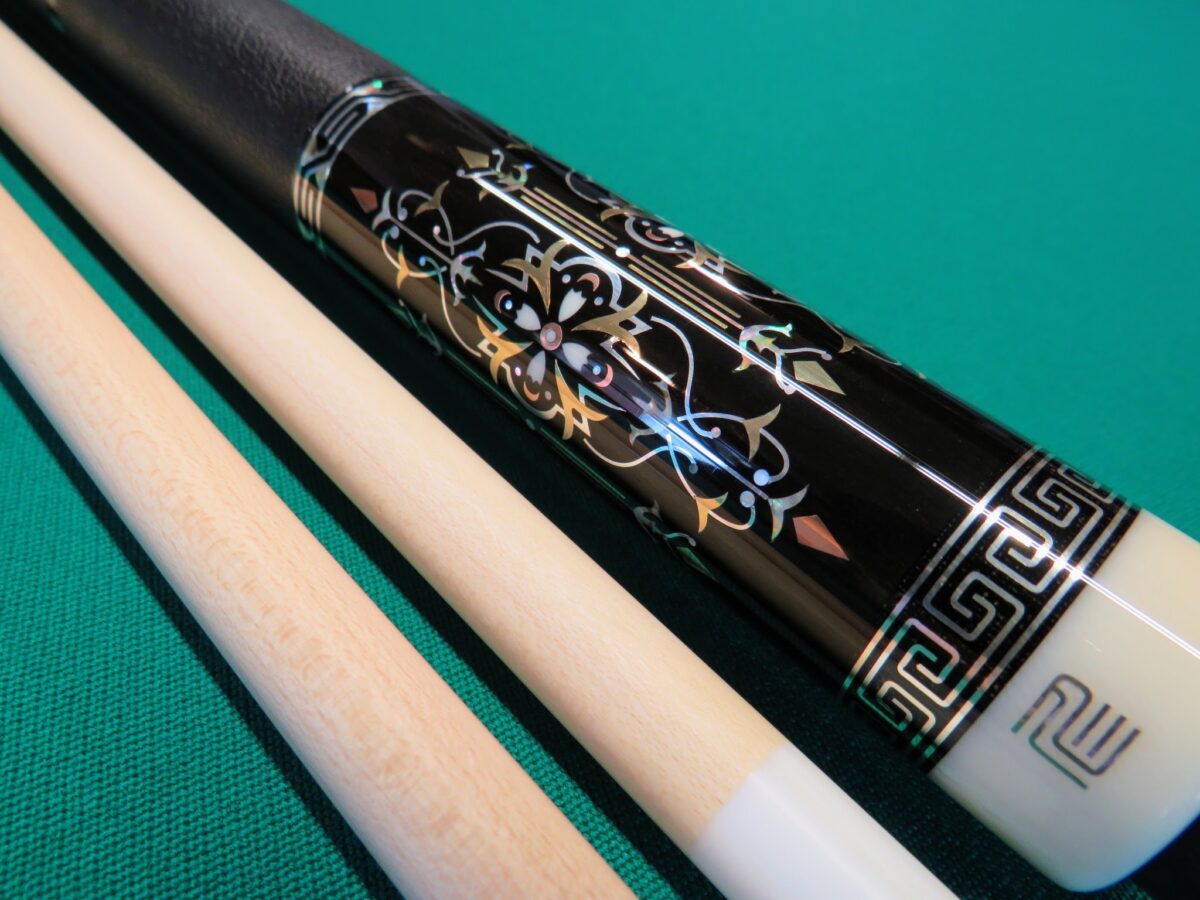
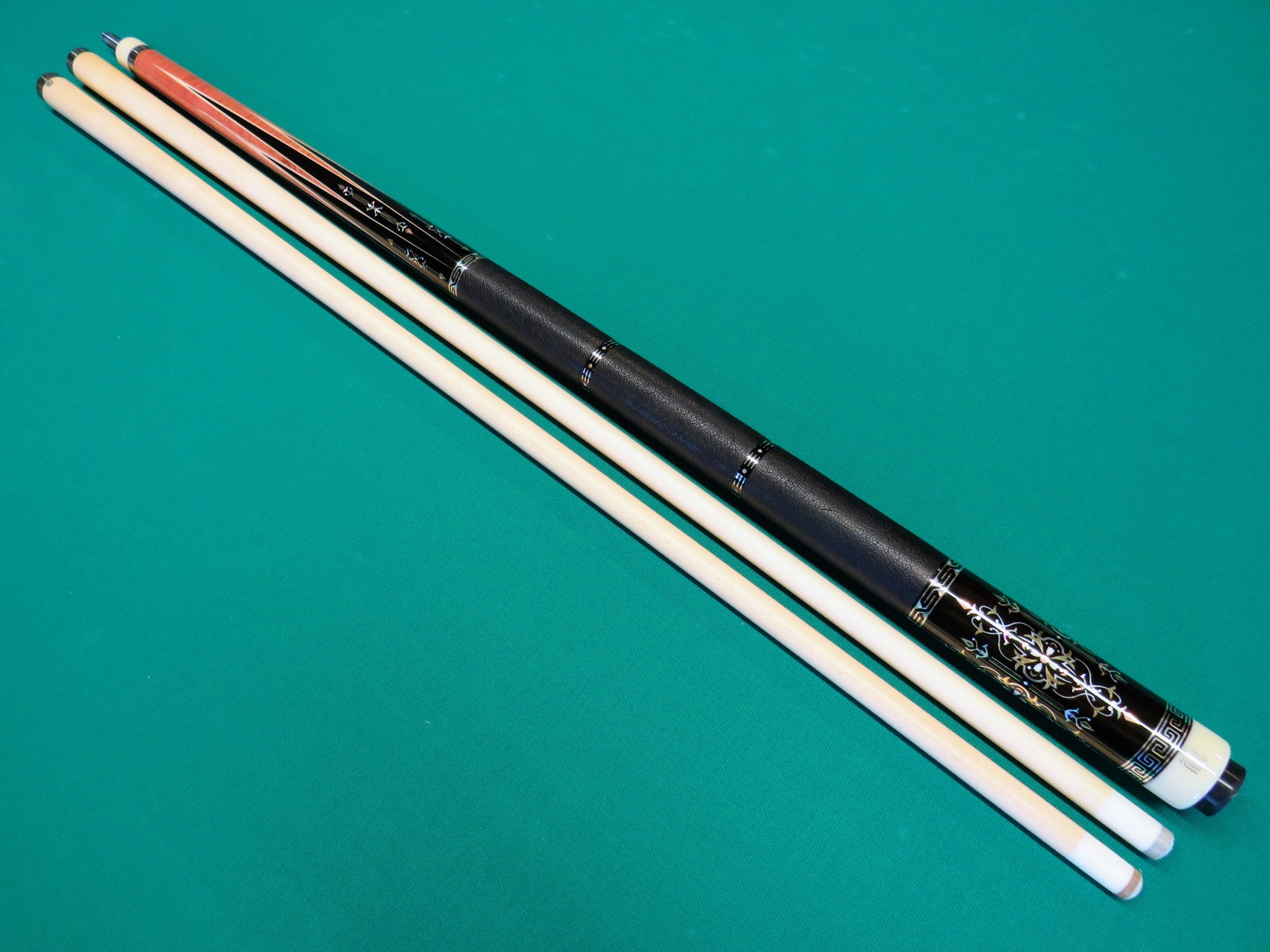
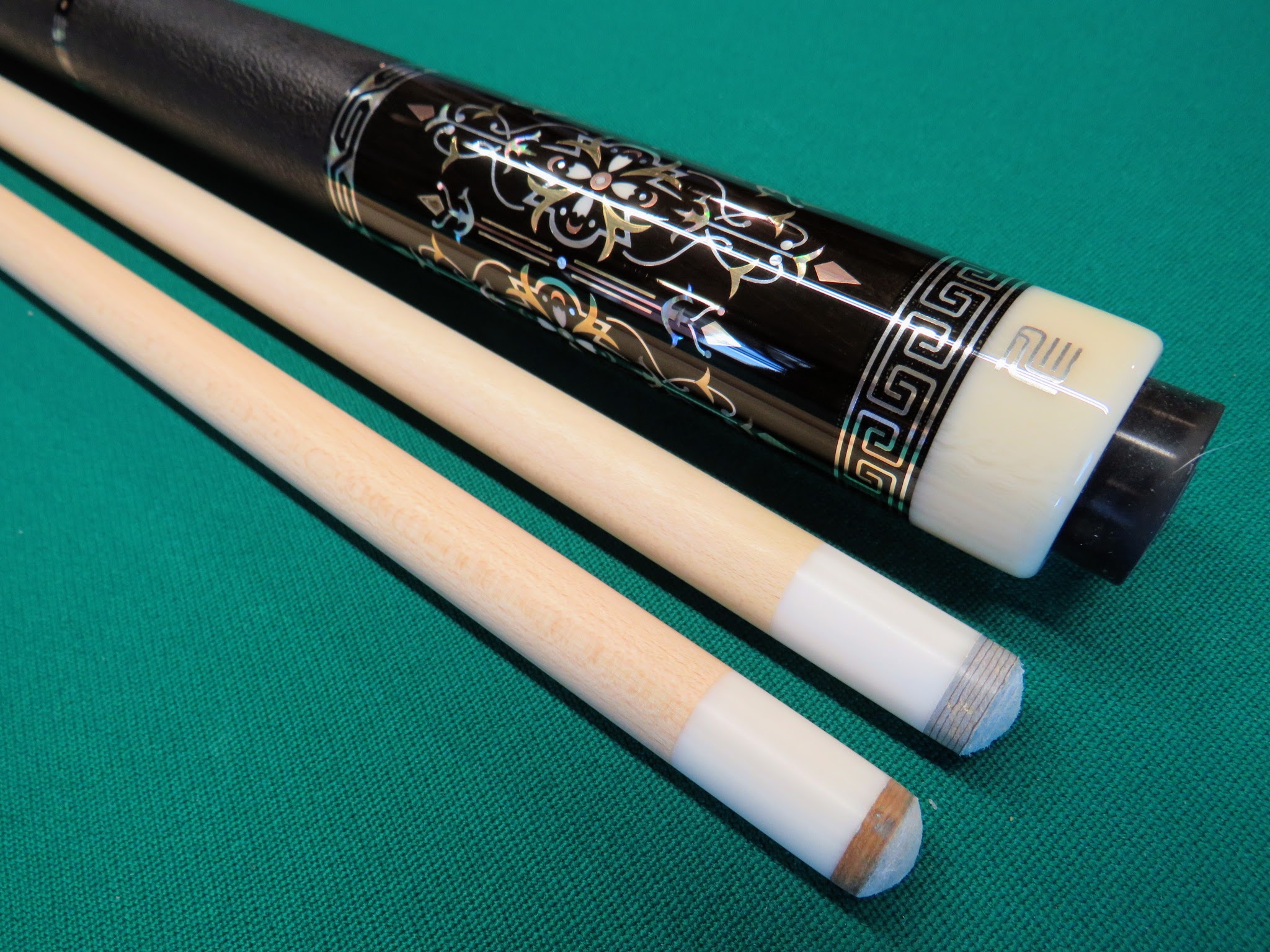
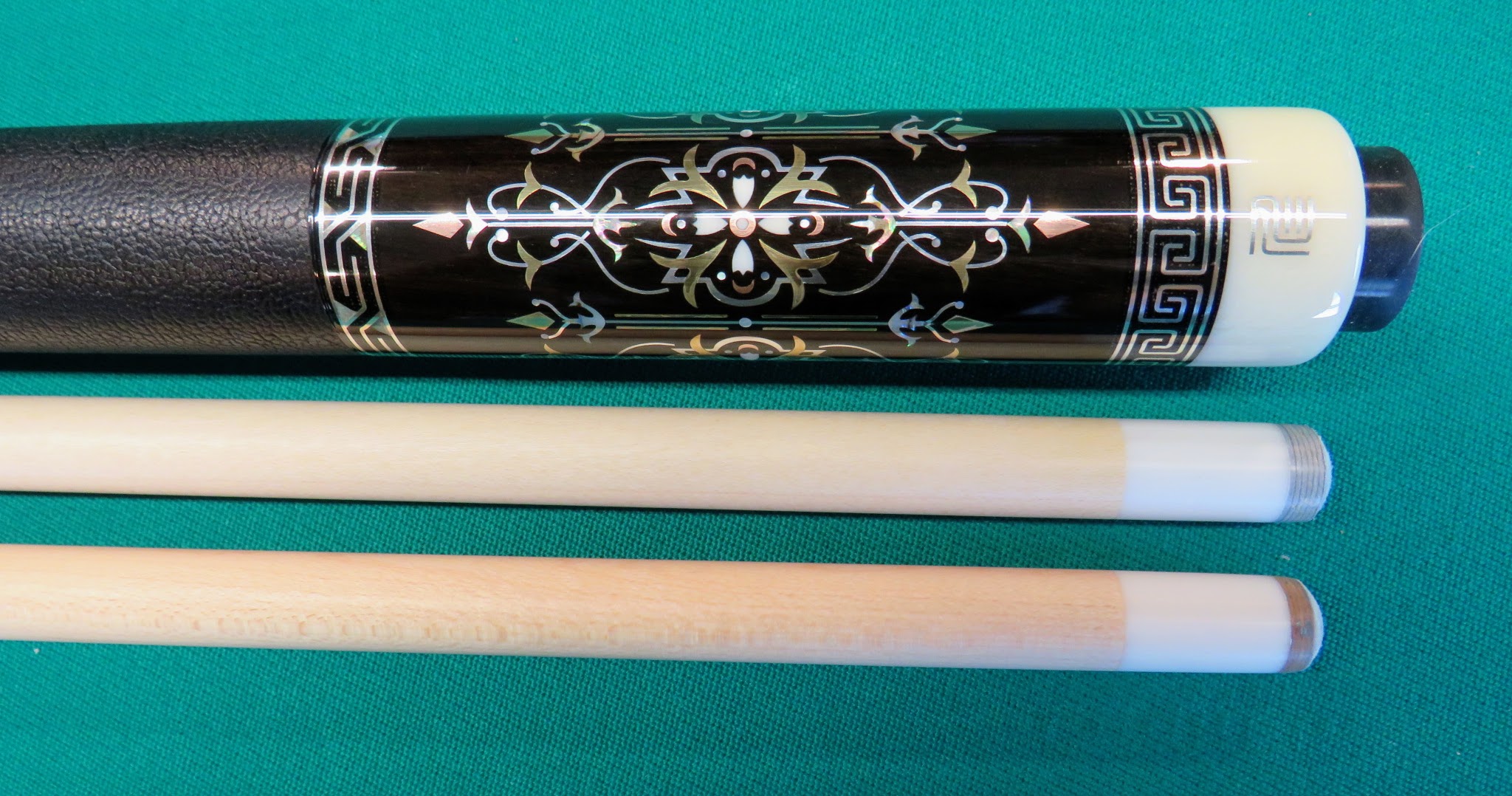
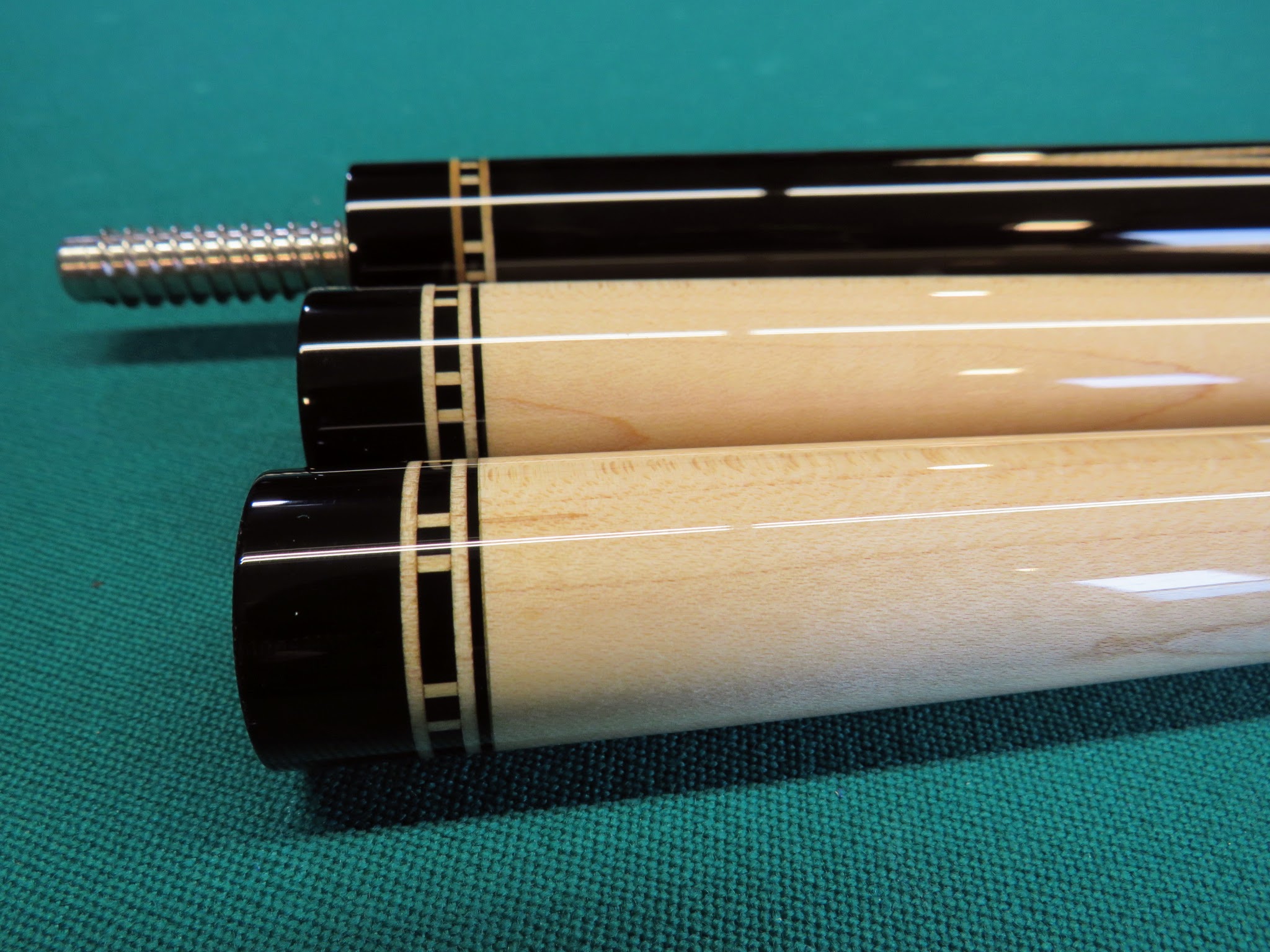
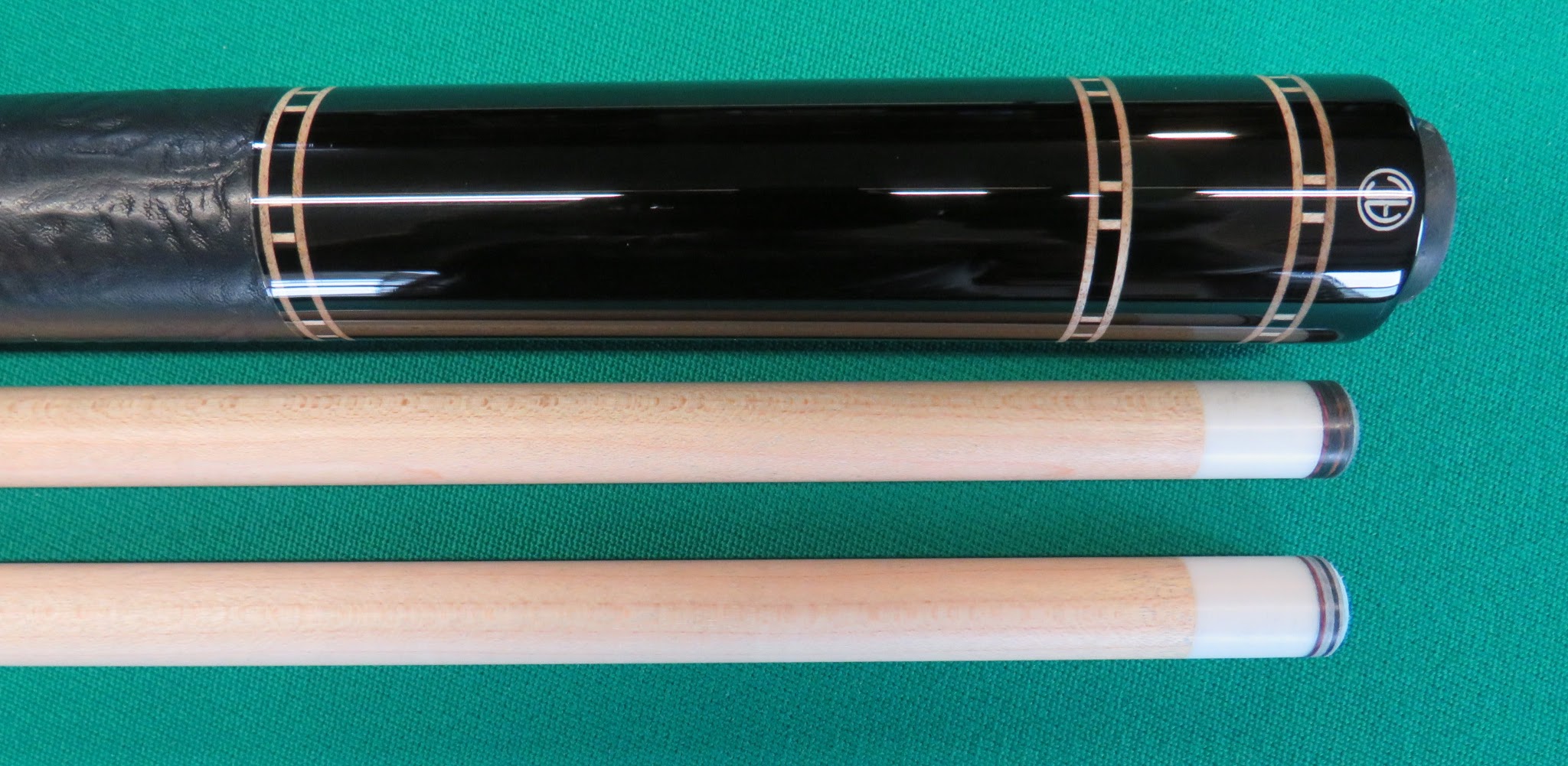
1992 Josswest cue – Ebony ivory ACME pin


Bill Stroud began Josswest cues in 1972. Previous to that, he worked with Dan Janes and Tim Scruggs in 1968 on Joss cues. JossWest cues are easy to identify with the JW logo. Early Josswest cues had a sideways W.

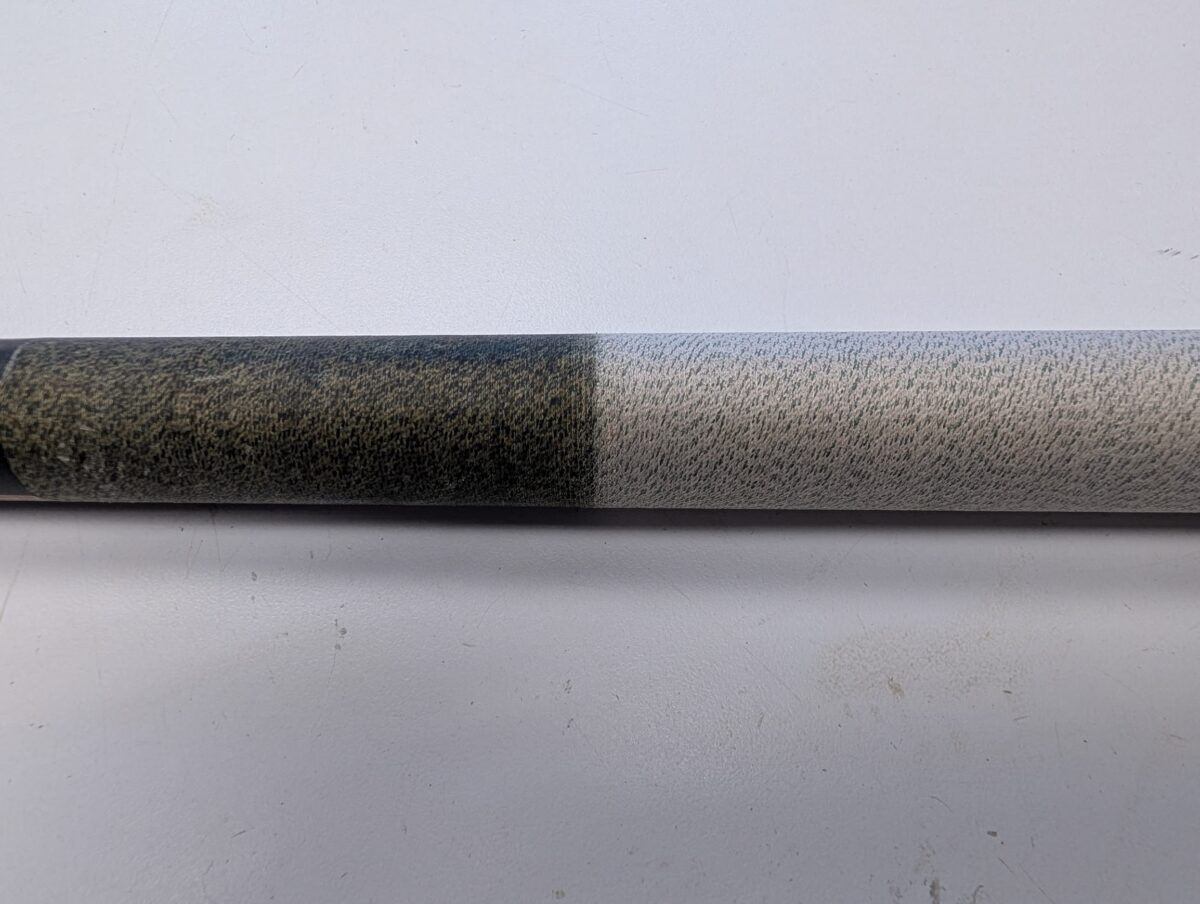
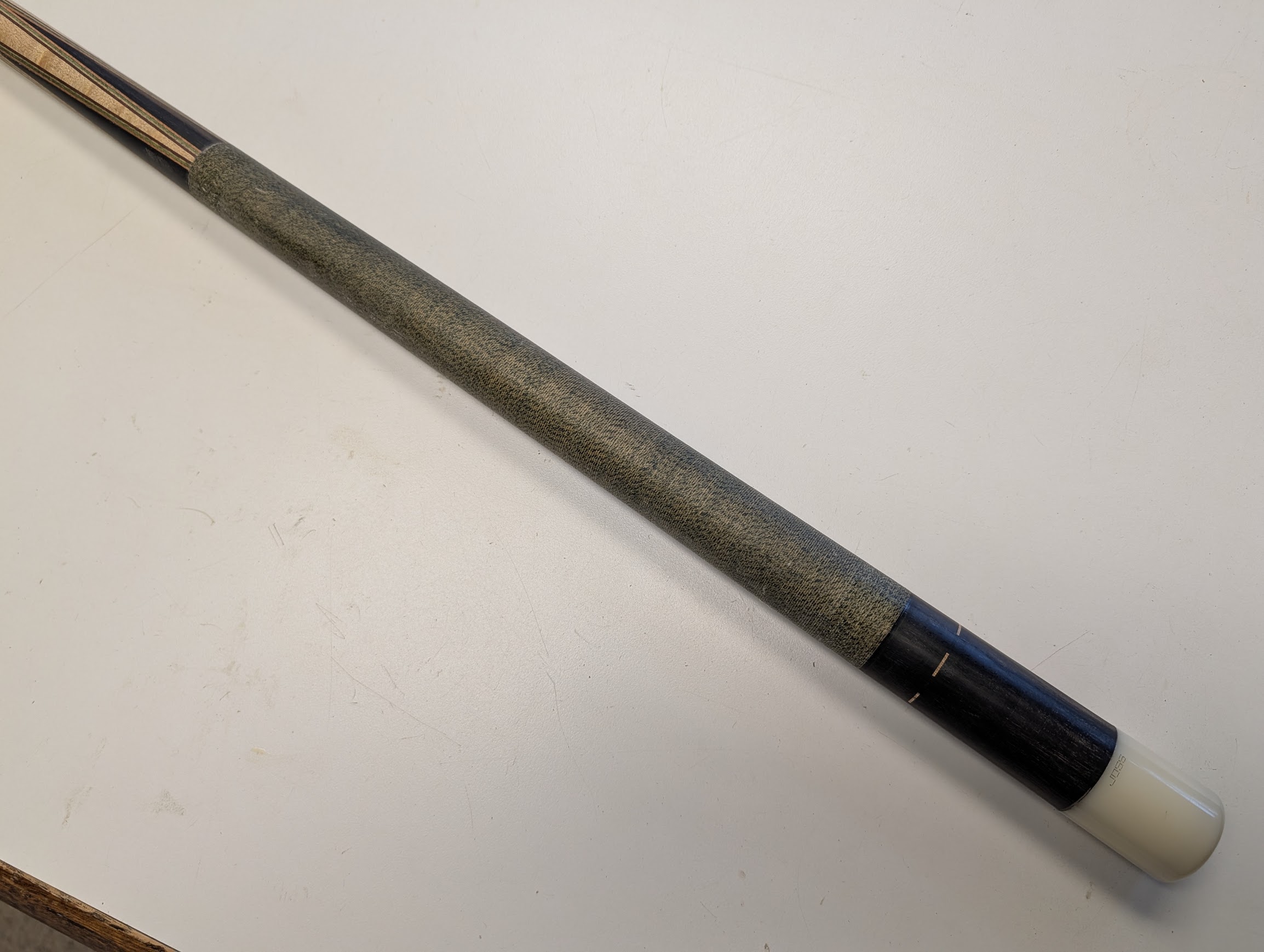
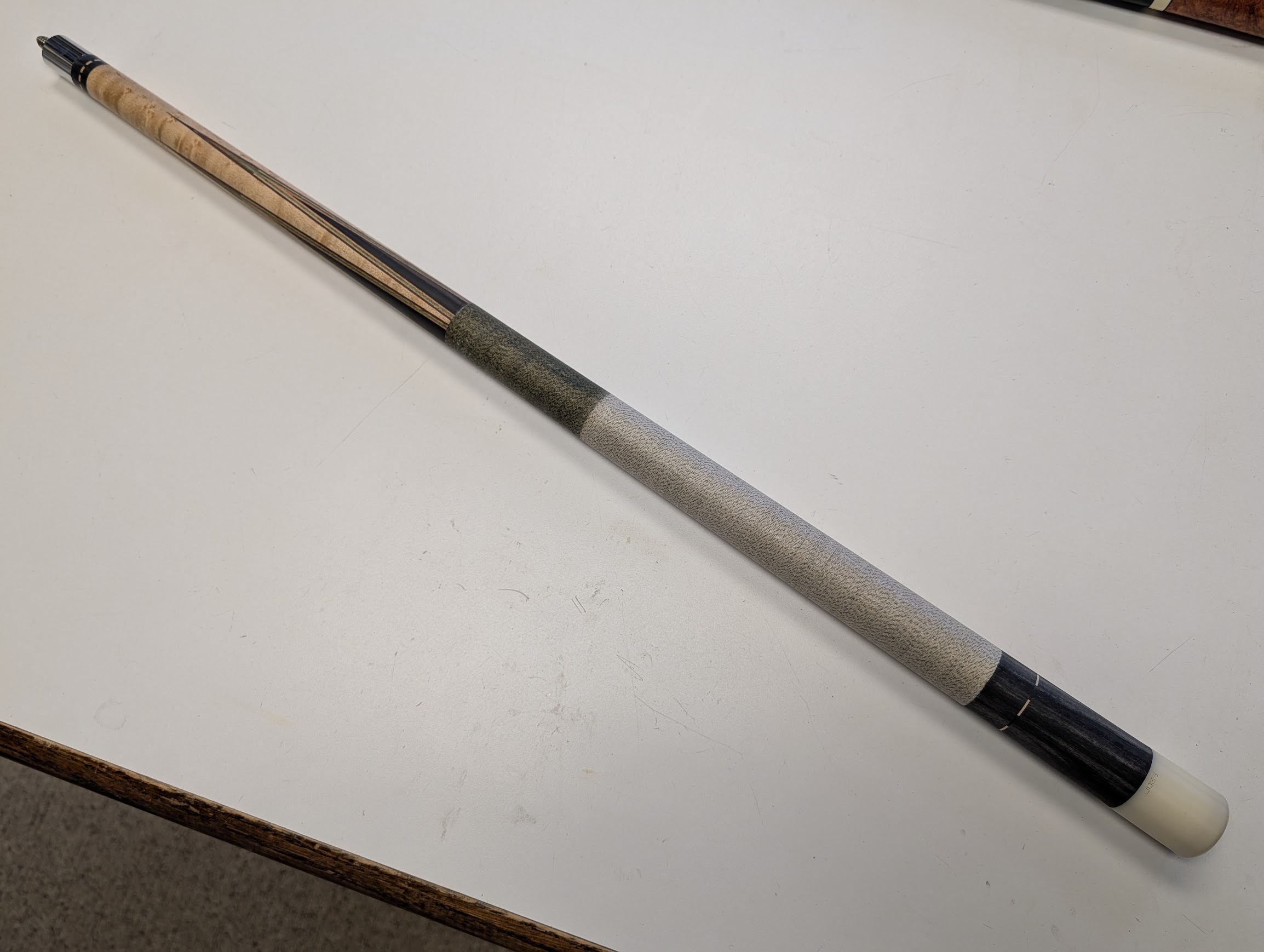
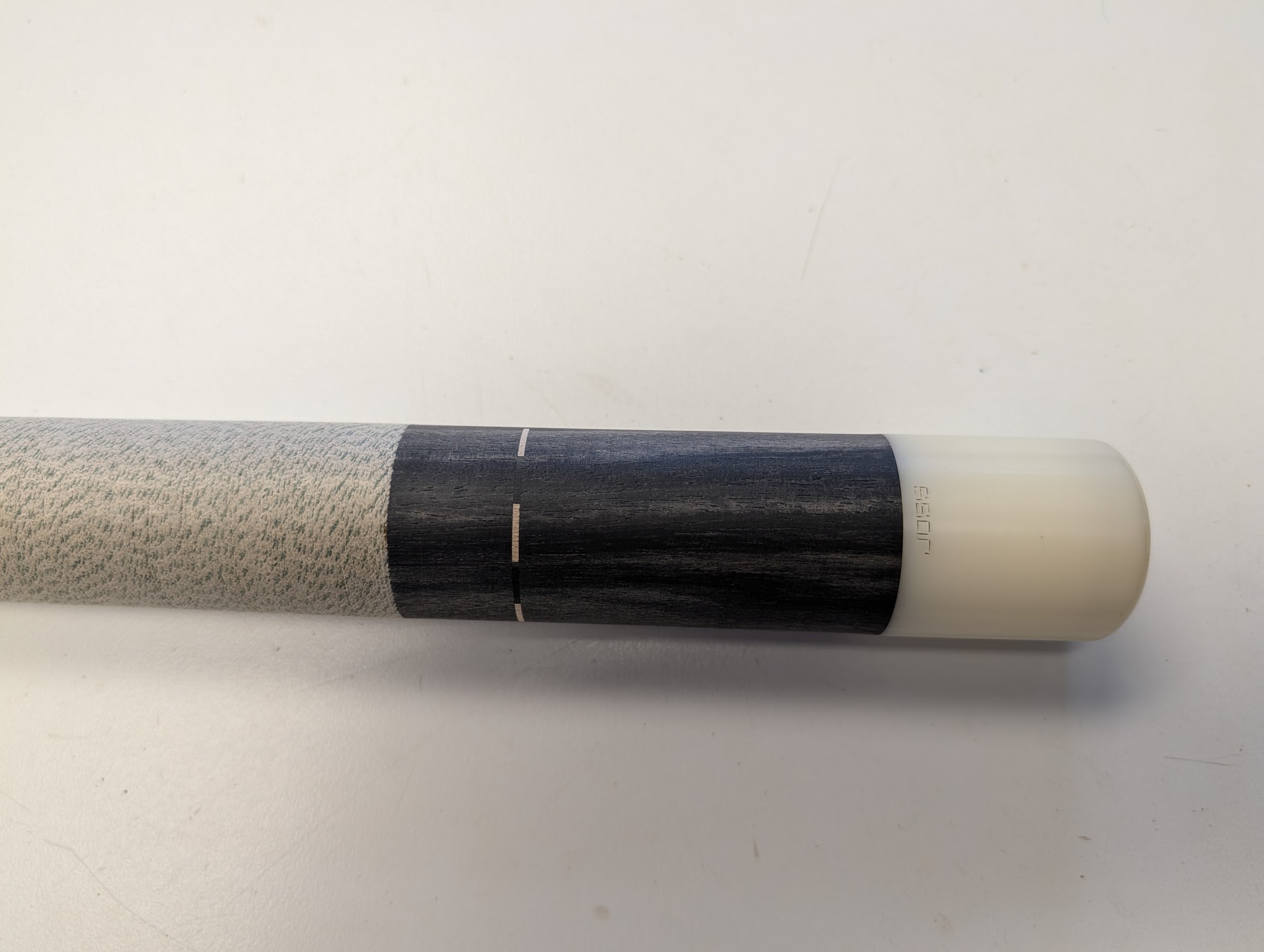
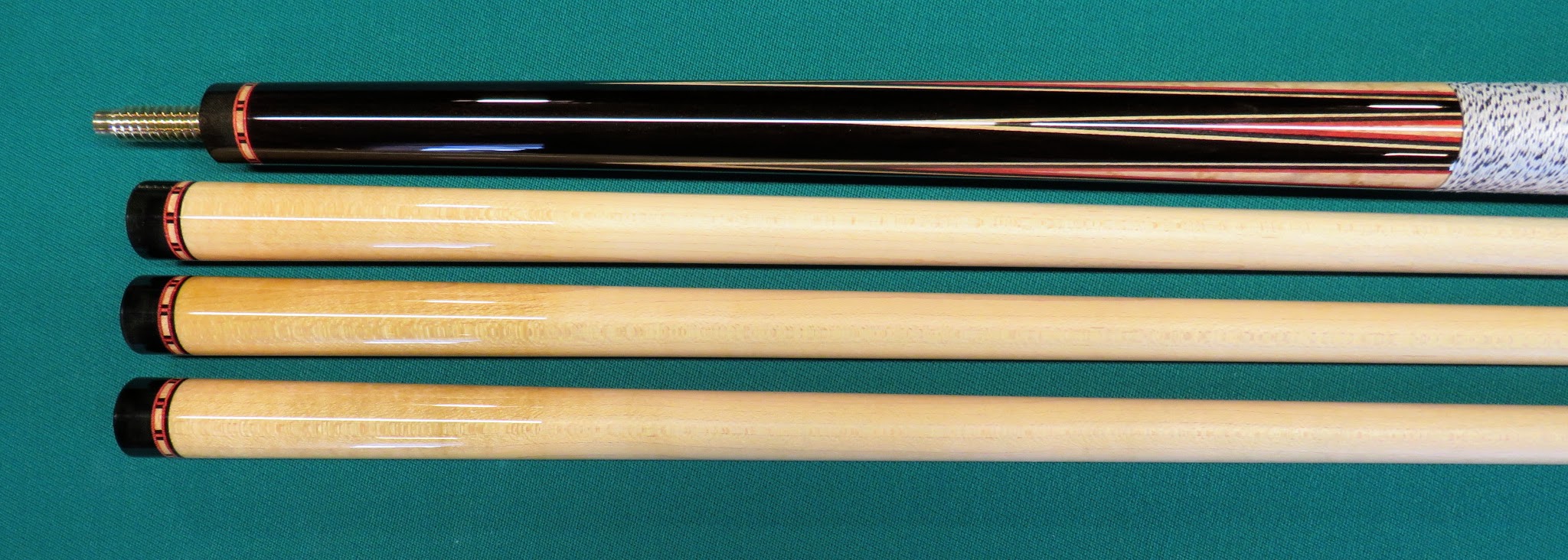
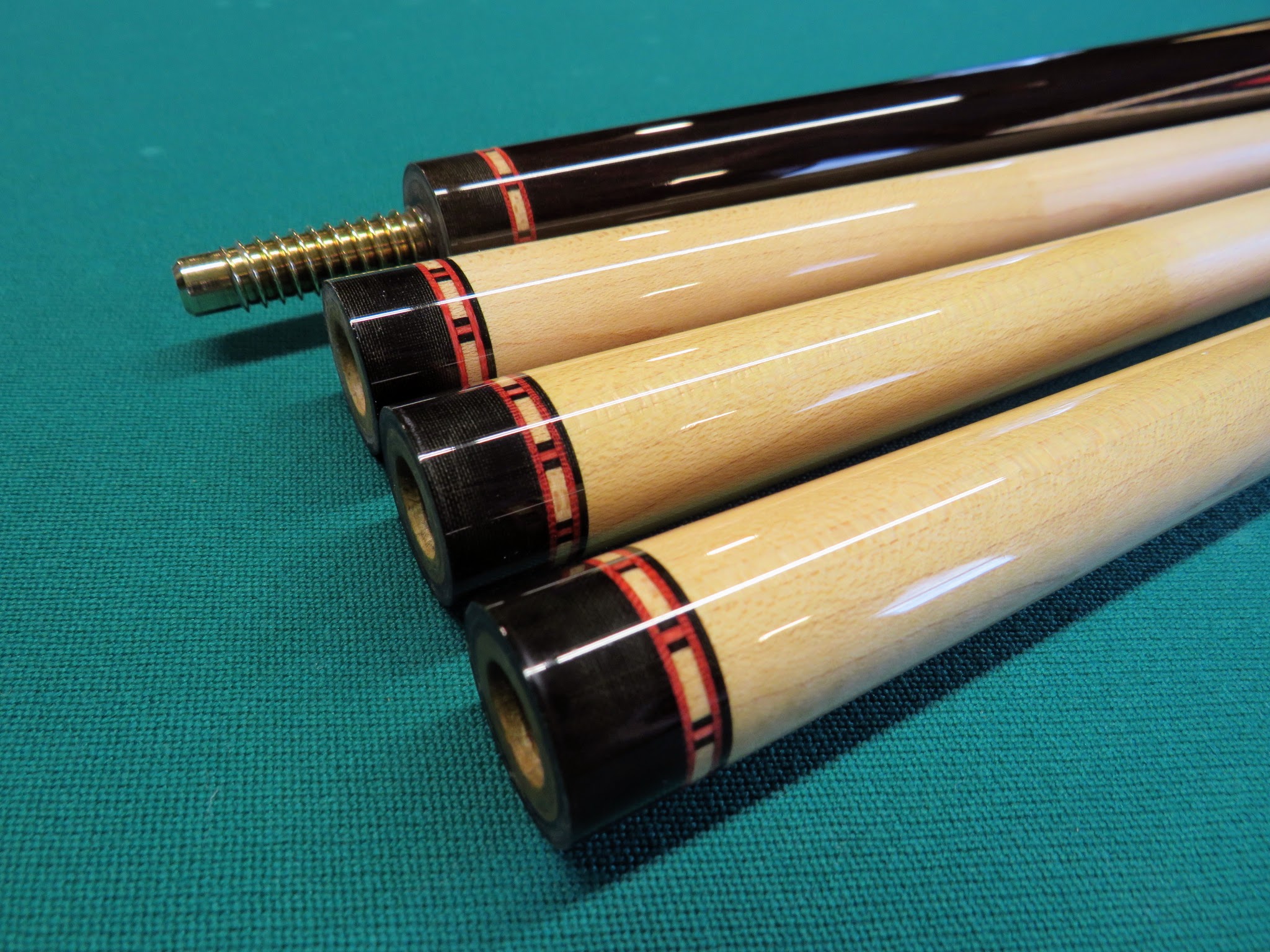
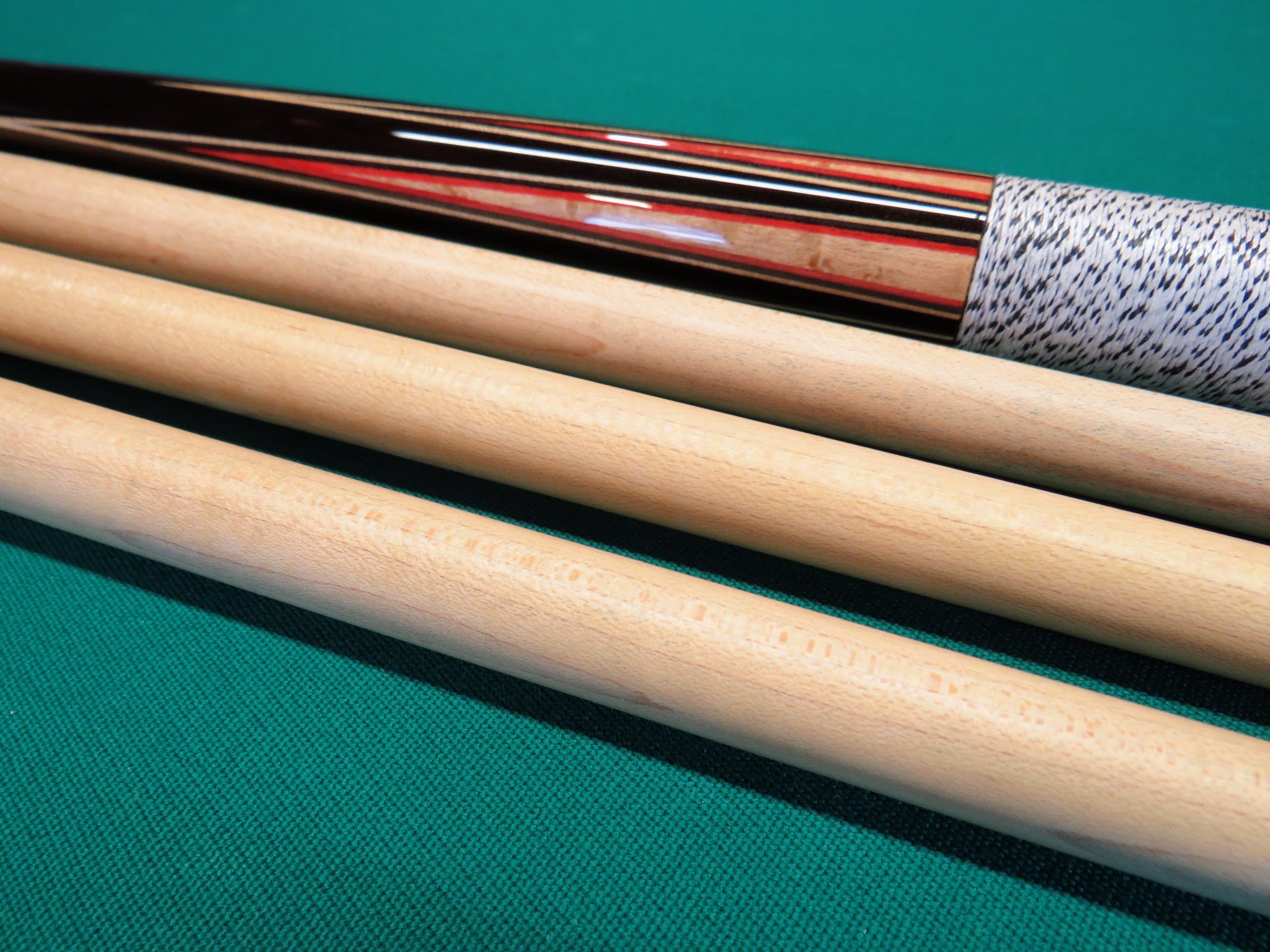
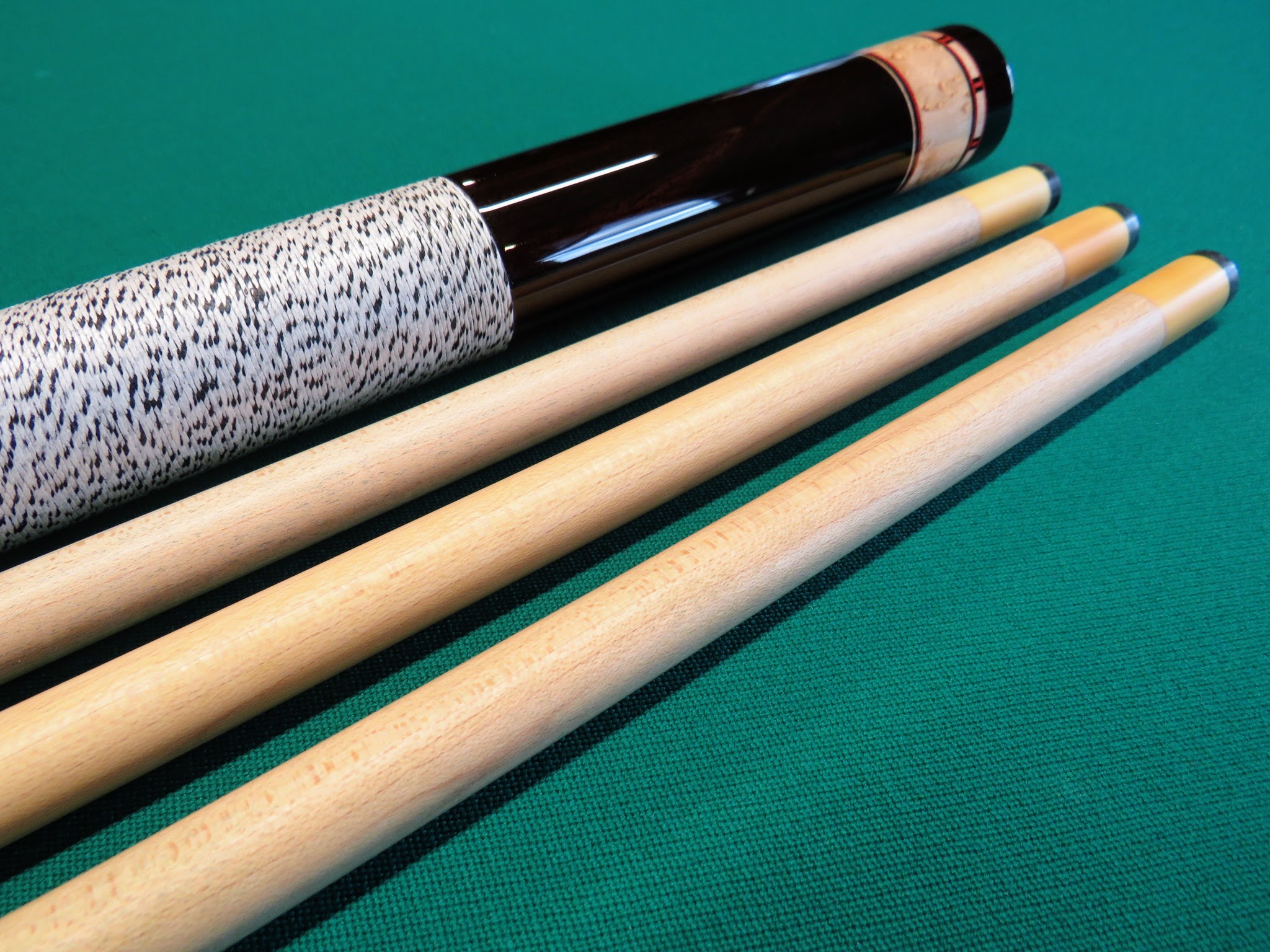
This Josswest cue is an example of cue repair and cue refinishing work (not for sale) that has been done here at Proficient Billiards. Cue refinishing usually takes about 2 weeks depending on workload.

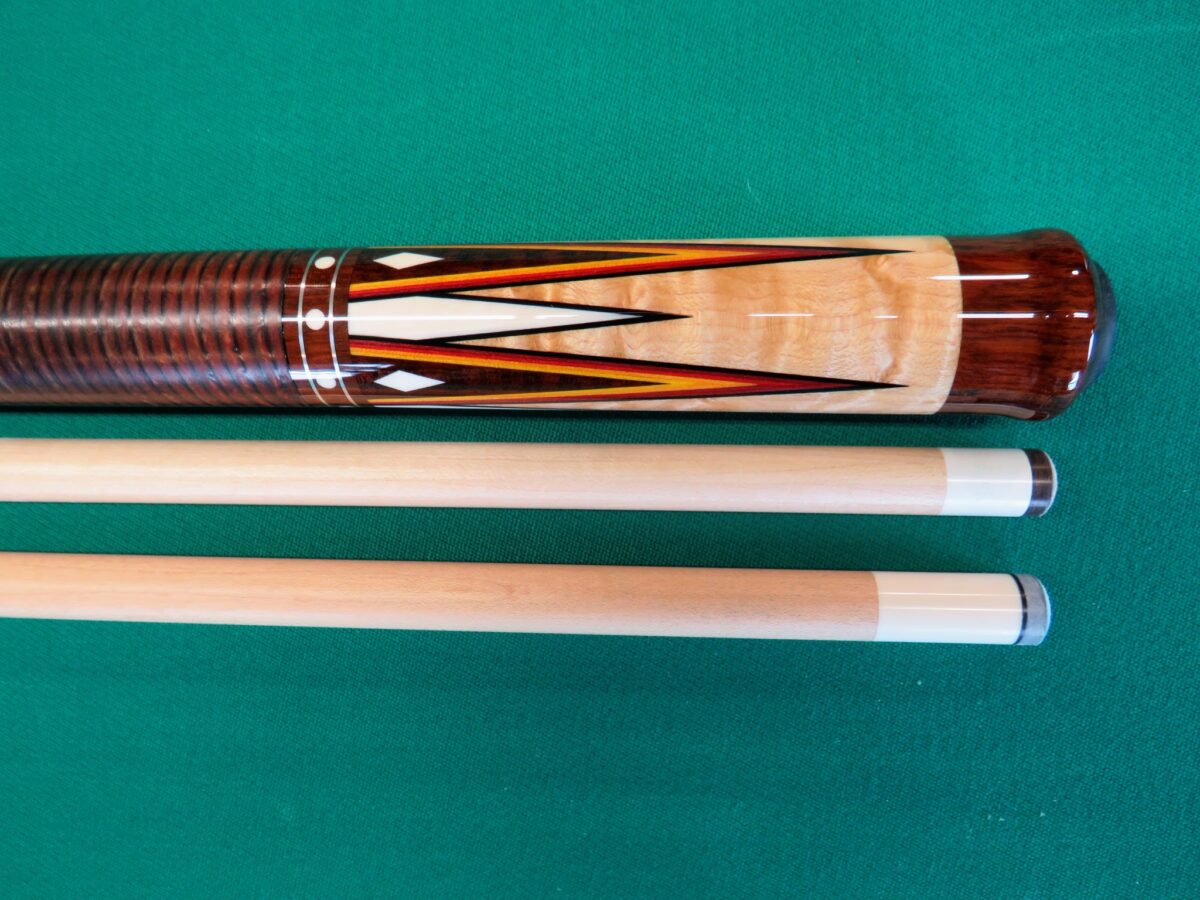
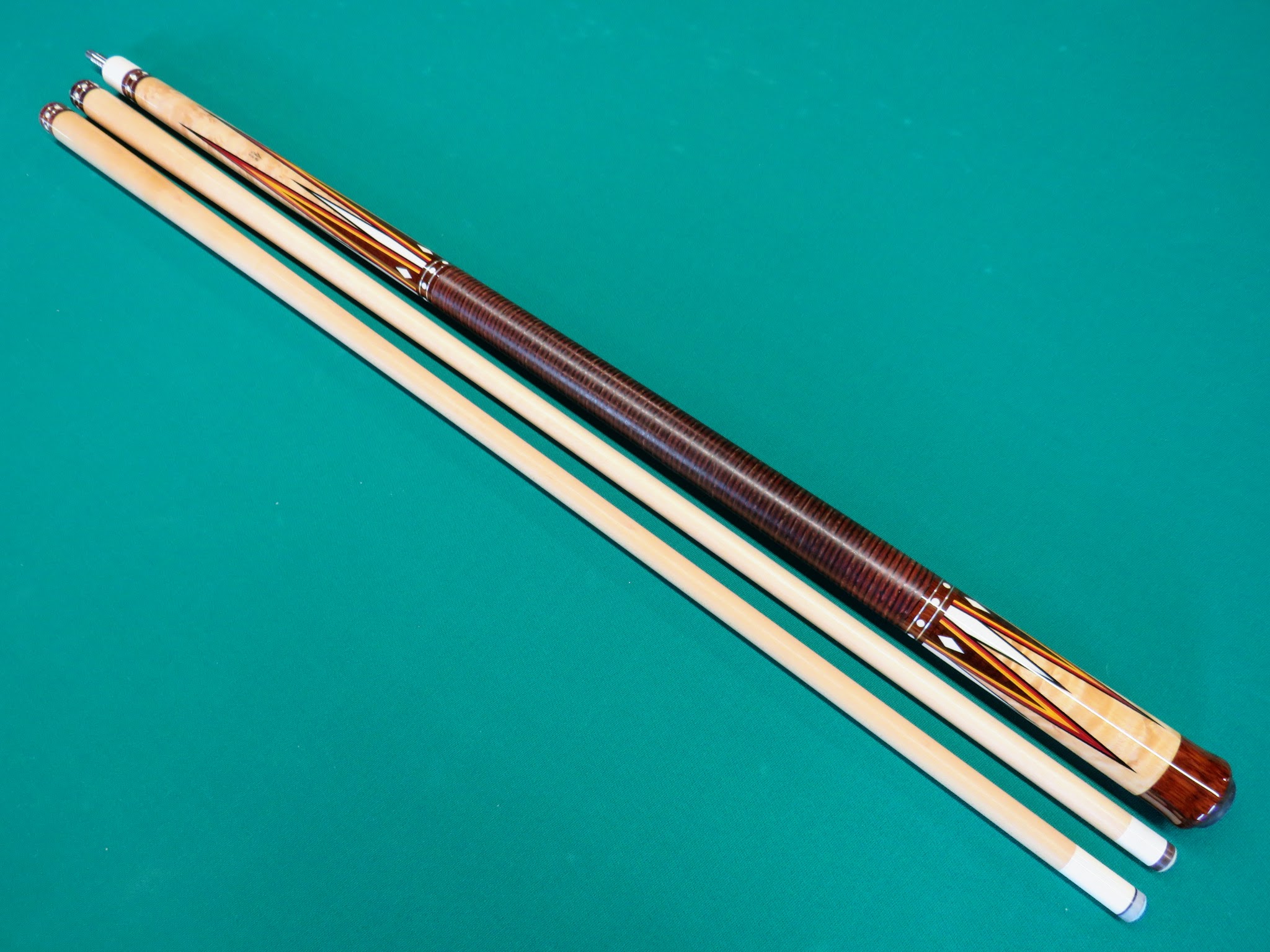
Palmer Model 3 cue

Palmer custom cues was started in 1964 in Elizabeth New Jersey. Early models were not marked. Some models had the gold foil that said original by Palmer in the window. Later models had Palmer on the butt cap, and also Palmer custom cue on the butt cap.

This Palmer model 3 cue is an example of cue repair and cue refinishing work (not for sale) that has been done here at Proficient Billiards. Cue refinishing usually takes about 2 weeks depending on workload. Call or text 717.4788.CUE for your cue repair needs.

Ebony and kielwood Shelby Williams cue

Shelby Williams cue

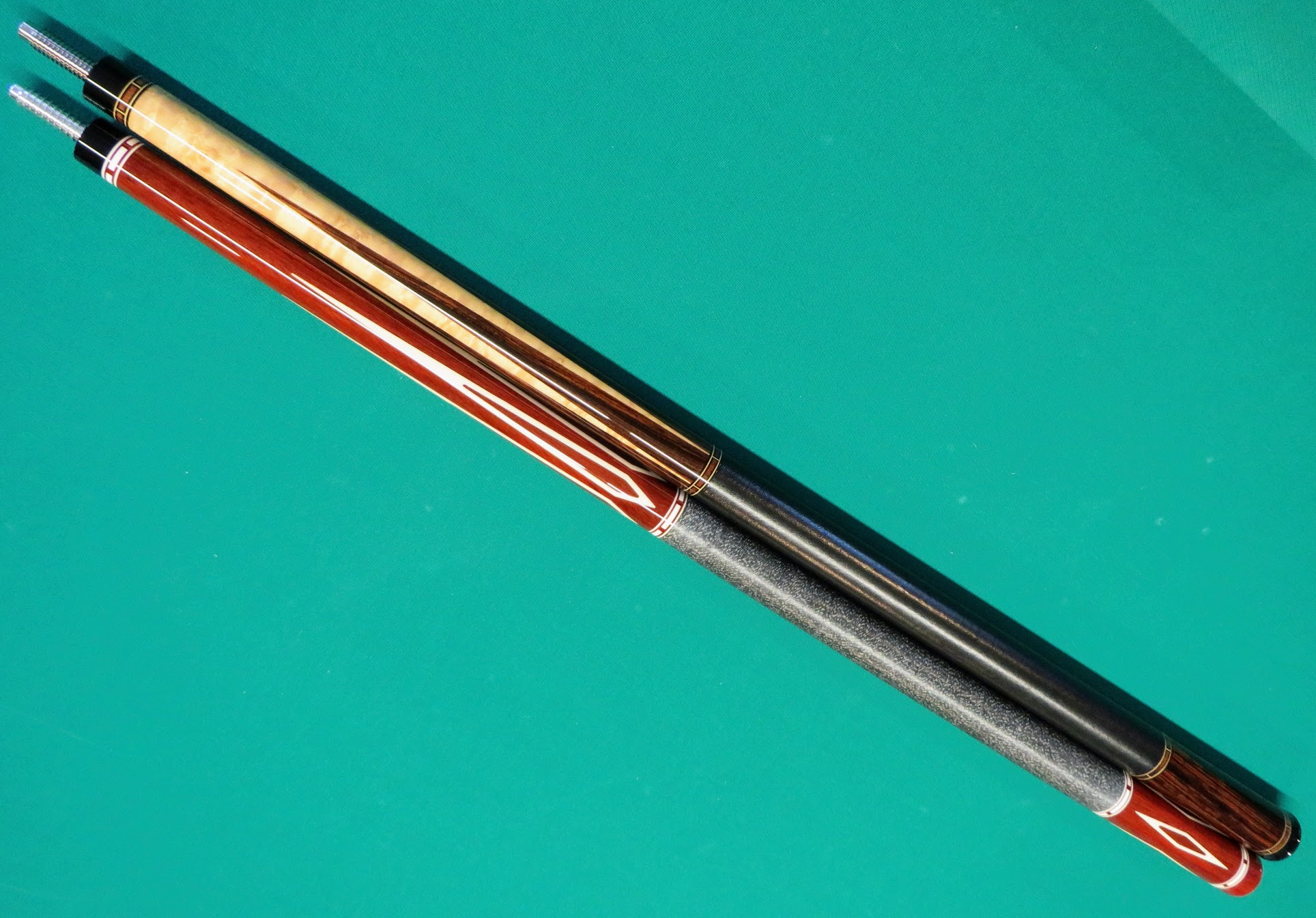
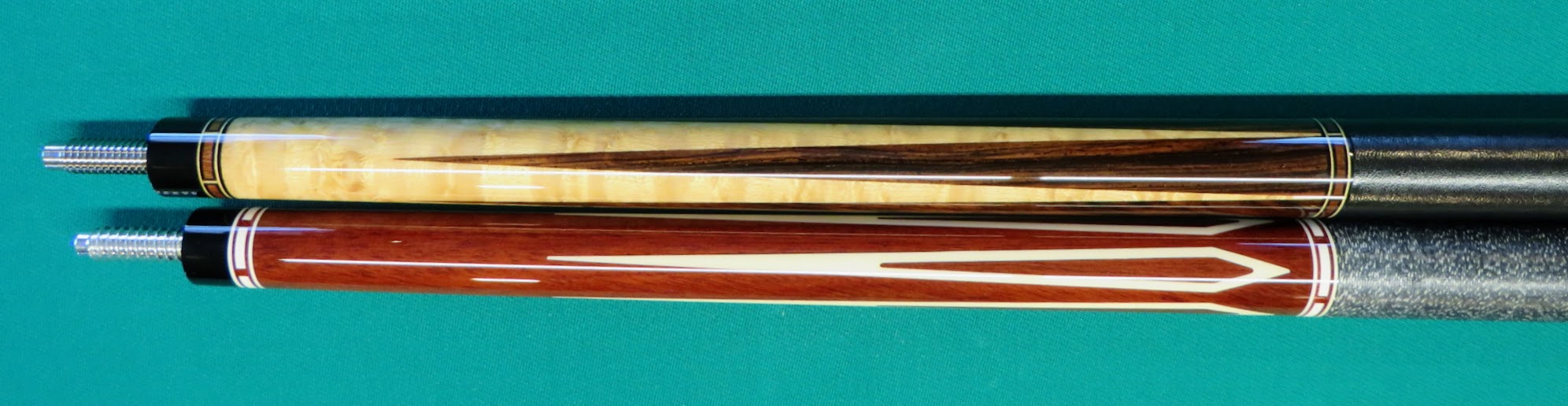
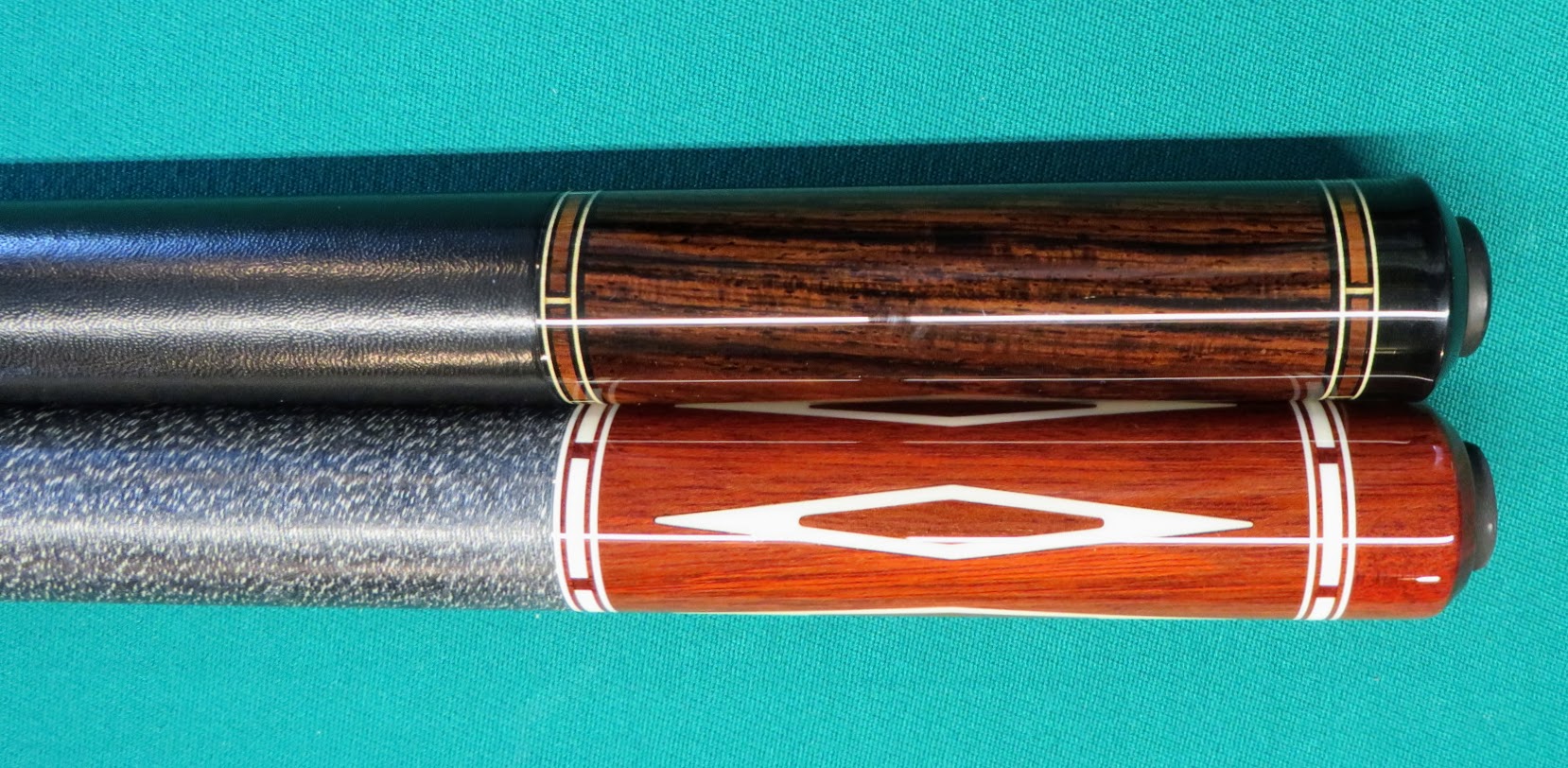
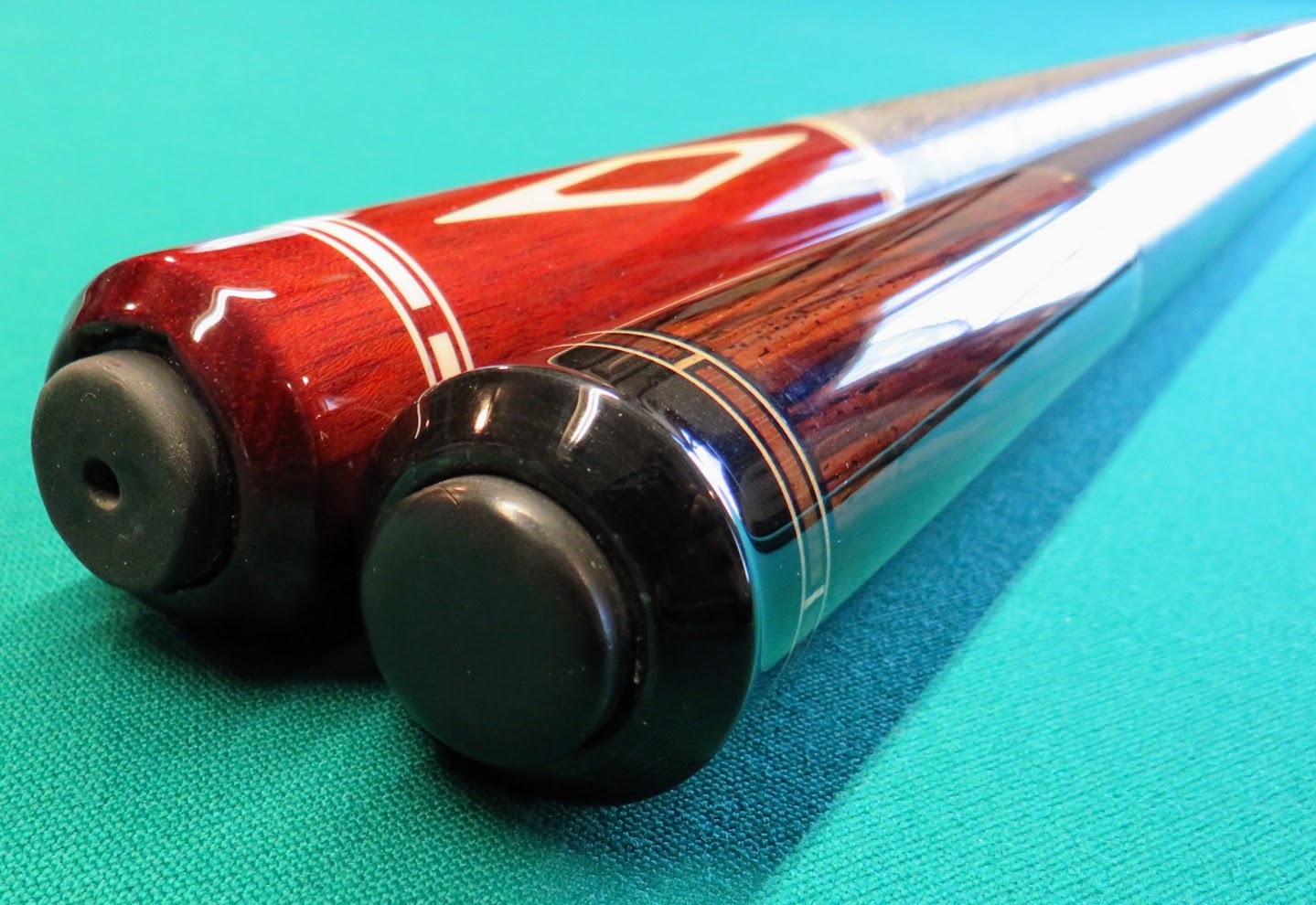
This Shelby Williams cue is an example of cue repair and cue refinishing work (not for sale) that has been done here at Proficient Billiards. Cue refinishing usually takes about 2 weeks depending on workload.

Always buying, selling and trading. Check out our store link… https://proficientbilliards.com/category/for-sale/

SOLD 2016 Bob Owen cue w/Balabushka parts $2450


Description
Weight 19.4 and 19.6 ounces
Lenght 58.25 inches
Shafts 12.5 and 12.25mm

This is a Bob Owen cue with original Balabushka parts. It’s a 4 point with spliced veneers. The blue rings are from Balabushka’s shop. It’s a super sharp looking cue from yesterday. The butt and shafts are straight together and apart. The pictures don’t do it any justice.

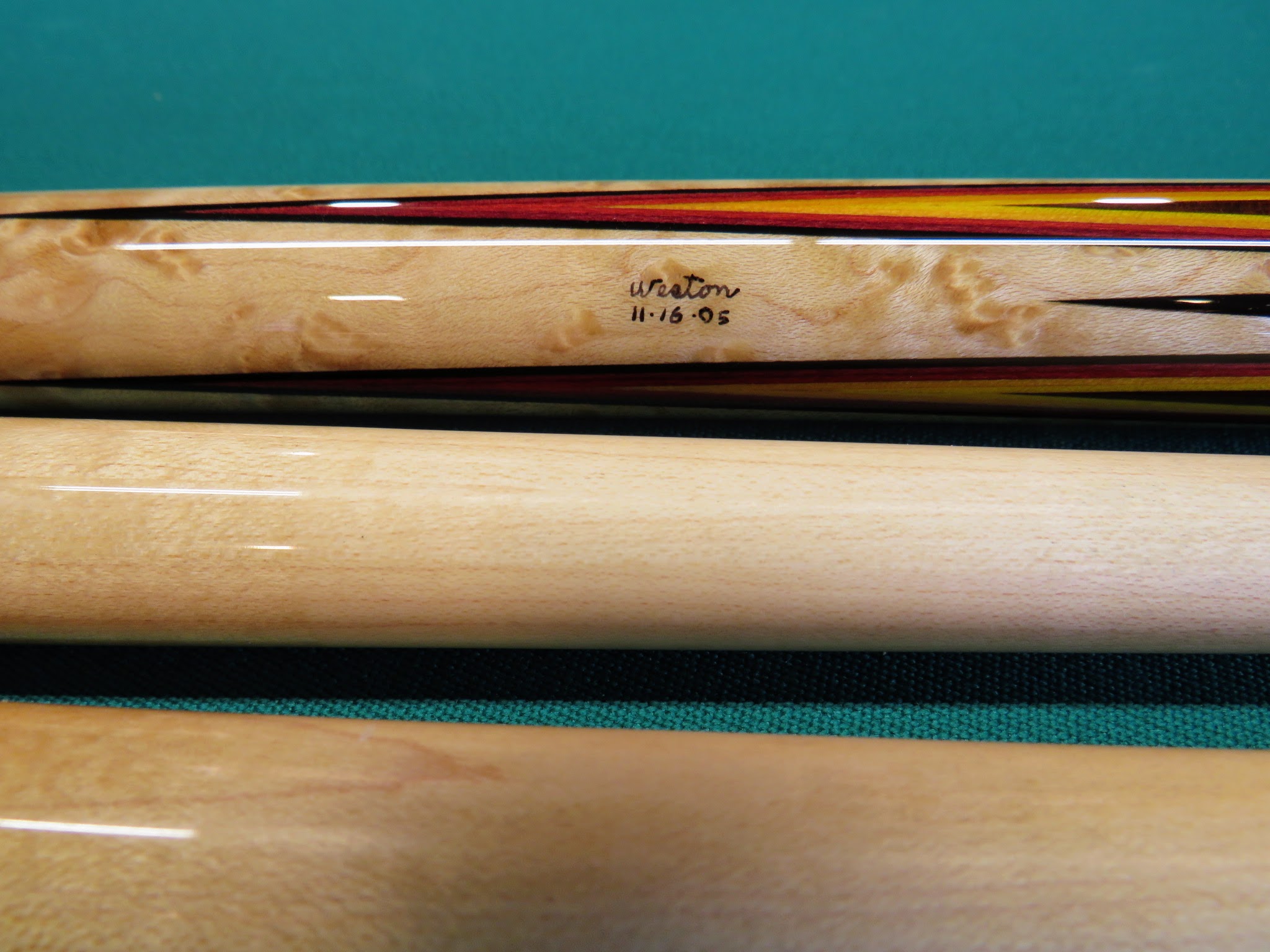
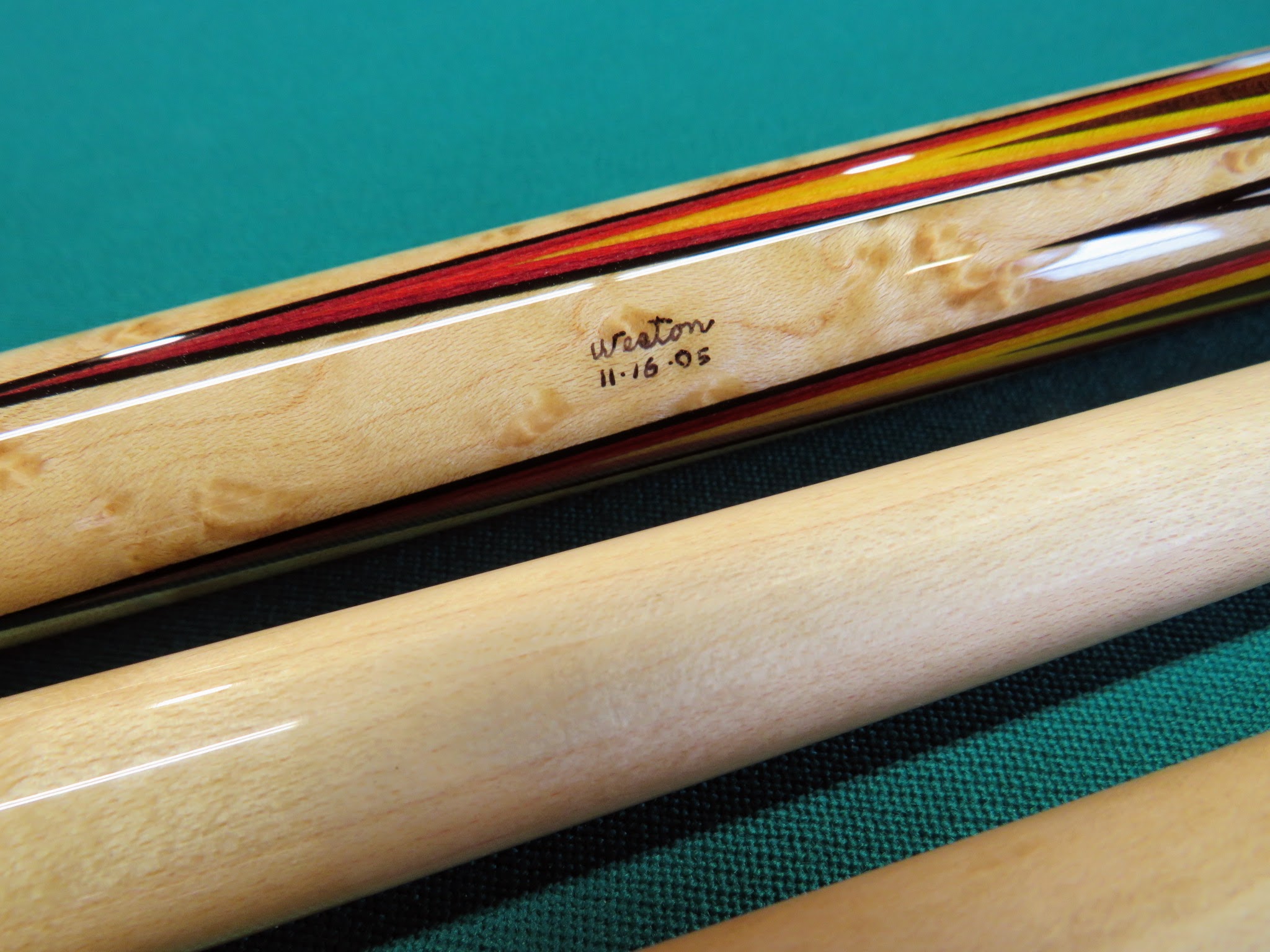
Perry Weston Cue -SOLD

Description
Weight 17.4 and 17.7 ounces
Lenght 58.5 inches
Shafts 12.5 and 12.7mm

This Weston cue is an amazing player. It was a starter cue for Brandon Sluzalis back in the day. This cue was in collection for a decade and a day here at Proficient. It is a great piece that is ready to be passed on. The butt and one shaft are straight one shaft has a roll. Do not let this opportunity pass you by.

The Great Outdoors Pool Tournament

Player Photos from the Event

The Great Outdoors Pool Tournament is a first of its kind outdoor pool tournament held here in Lancaster County, PA. This event, proudly presented by Proficient Billiards, promises to be an exciting and unique experience for both players and spectators.

The Main Event will feature a thrilling 64 Player double elimination format for 9 Ball on Saturday, June 14th. Participants can expect a competitive atmosphere, where skill and strategy will be on full display.

Preceding the main event, on Friday night, players are invited to join in the fun by entering several mini tournaments, allowing everyone a chance to showcase their talents in a more casual setting.

On Sunday, there will be a 32 Team / Scotch Doubles event, part of The Great Outdoors Pool Tournament, which adds a layer of teamwork and camaraderie to the competition. This format caters to both seasoned players and newcomers, ensuring that everyone has a chance to participate and enjoy the festivities.

The Great Outdoors Pool Tournament
  • Singles Event 6/14/25 ENTRY AND PLAYER LIST

    This event is designed for individual players who will compete against one another in a series of matches. Expect a challenging yet rewarding experience where skill levels vary, and everyone has a chance to rise to the occasion.

  • Doubles Event 6/15/25 ENTRY AND PLAYER LIST

    The doubles event encourages teamwork and strategy as players pair up to compete together. This format fosters camaraderie and is a great way to bond with friends while enjoying the sport.

  • The tournament is being held at The Ephrata Amvets Post 136, located at 614 S State St, Ephrata, PA 17522. The AMVETS ORGANIZATION has made a significant long-term economic impact by providing assistance, jobs, and services to veterans and their communities for nearly 80 years.

    Every dollar spent on food, drinks, or other items at the club helps support this noble mission. By participating in the tournament, you are not only enjoying a wonderful game but also contributing to a worthy cause that aids our veterans.

    An outdoor Pool Tournament is a revolutionary idea from Scot Sherbine at Proficient Billiards. Traditionally, pool is played indoors, but this innovative concept has been met with enthusiasm and excitement.

    The Great Outdoors Tournament offers a refreshing change for players who love the game and enjoy the outdoors. In addition to the thrilling matches, added activities will include corn hole and badminton, providing fun alternatives for those looking to take a break from the table.

    To add to the atmosphere, there will be a delicious pig roast, and players are encouraged to bring comfy chairs and E-Z ups to relax and enjoy the day. This fusion of competition and leisure embodies the spirit of community and enjoyment that the tournament aims to achieve.

    Join us for The Great Outdoors Pool Tournament and bring your friends along to witness an unforgettable competition.

    The Great Outdoors Pool Tournament is not just about games; it’s a chance to connect with fellow pool enthusiasts.

    The Great Outdoors Pool Tournament: A Unique Experience Awaits

    As the excitement builds for The Great Outdoors Pool Tournament, participants are gearing up for an exhilarating experience.

    The Great Outdoors Pool Tournament offers a unique opportunity to enjoy the game in a fresh environment.

  • Singles Event 6/14/25 ENTRY AND PLAYER LIST

    Participants should prepare for an exhilarating day filled with competitive spirit and chances to showcase their skills. This event will feature a diverse range of players, making it an exciting environment for both competitors and spectators.

  • Doubles Event 6/15/25 ENTRY AND PLAYER LIST

    This doubles event is perfect for those who thrive on teamwork and strategy. Participants will be paired with friends or fellow players to navigate the challenges of the tournament together.

  • The Great Outdoors Tournament is entirely off-grid and powered by the sun, showcasing a commitment to sustainability. This year, we are utilizing a Hyundai Ioniq 5 to generate and store electricity for the event.

    Solar panels installed at Proficient Billiards will generate the necessary power, which will then be stored in the Ioniq 5. This clean energy will be used to power lights, refrigeration, and the music/PA system throughout the event, demonstrating how accessible off-grid power can be.

    It’s a remarkable example of how innovation can coexist with leisure and competition.

    We would like to express our gratitude to our fine sponsors for this year’s event:
    Lancaster Hyundai – expect some new models on-site for viewing.
    Ephrata Amvets – generously providing the space for this event, a crucial contribution to our success.

    Dee Dee’s Delight’s & More – a local catering service from Manheim PA that will delight your taste buds.
    Proficient Billiards and its subsidiaries, Billiards Bones and Big Game Tips, for their ongoing support and promotion of billiards.

    Thanks to our sponsors for supporting The Great Outdoors Pool Tournament and helping make this event possible.

    We look forward to capturing great moments at The Great Outdoors Pool Tournament.

    Special shout out to:
    Tiny Murray of CTM Automotive for expertly setting up the pool tables, ensuring everything is in perfect condition for the tournament.
    JWC Portraits – for capturing the unforgettable moments of our players and the event through stunning photography. Their work helps retain the memories of this fantastic tournament.